
Nine Matches in Dallas: My First World Cup From the Sideline
One month, nine matches, thousands of photographs, and an experience that changed the way I look at sports photography.
I have photographed sports for a long time, but walking into AT&T Stadium with a FIFA World Cup credential around my neck felt different.
This was my first World Cup.
Over the next month, I would photograph all nine matches played in Dallas — from Netherlands vs. Japan on June 14 through the semifinal between France and Spain on July 14.
I went into it thinking mostly about the photographs I wanted to make. Looking back, the photographs are only part of what I remember.
I remember packing and repacking gear. Finding shooting positions. Setting remote cameras. Sitting alongside photographers whose work I had followed for years. Editing against deadlines. Missing moments I desperately wanted. Making photographs I didn't expect. Meeting volunteers who became part of my World Cup story. And watching fans from around the world turn a stadium in Arlington, Texas into something completely different every few days.
Nine matches later, I walked out of the stadium knowing I had just experienced one of the most important months of my career.
This is what it looked like from my side of the touchline.
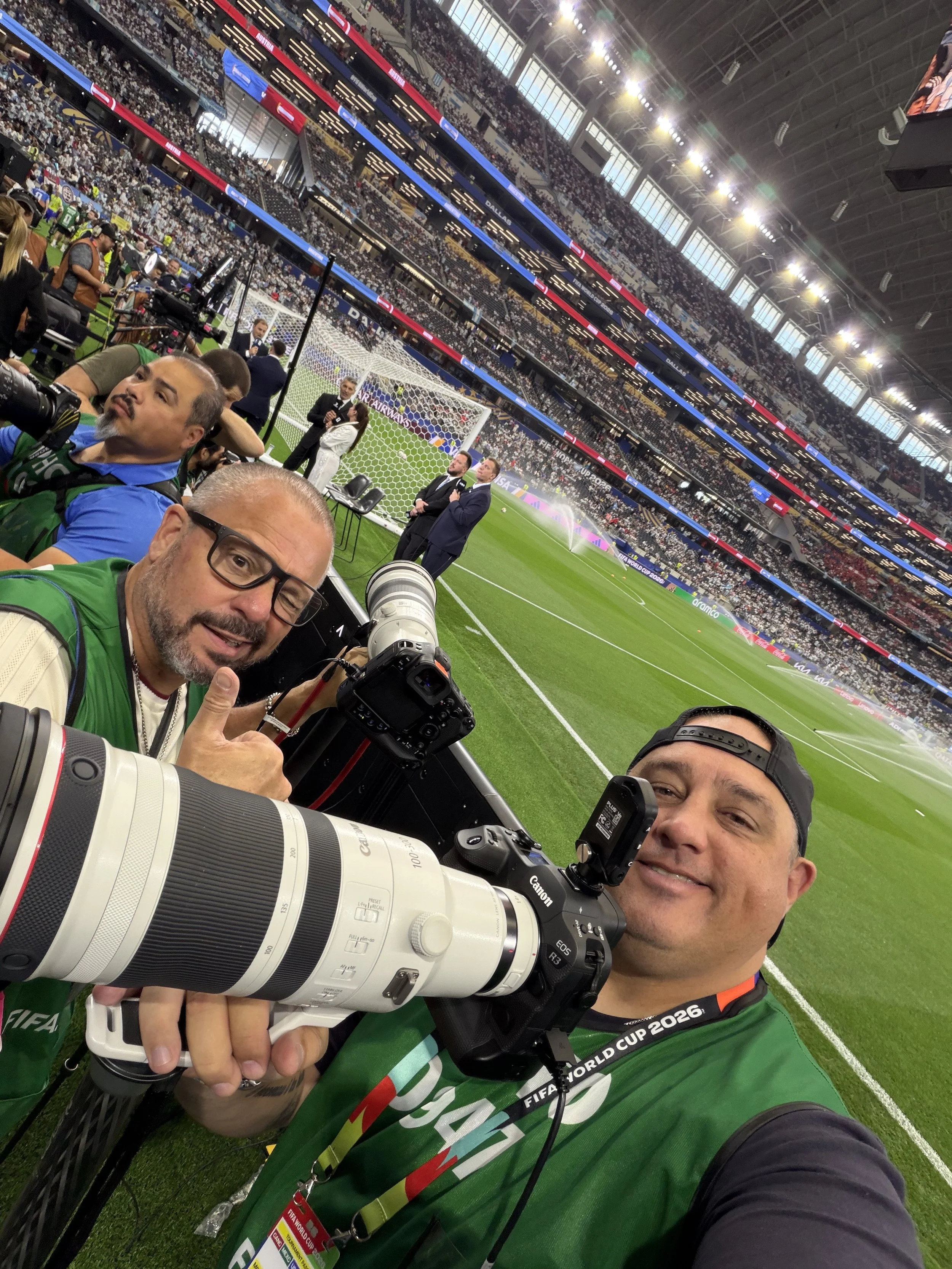
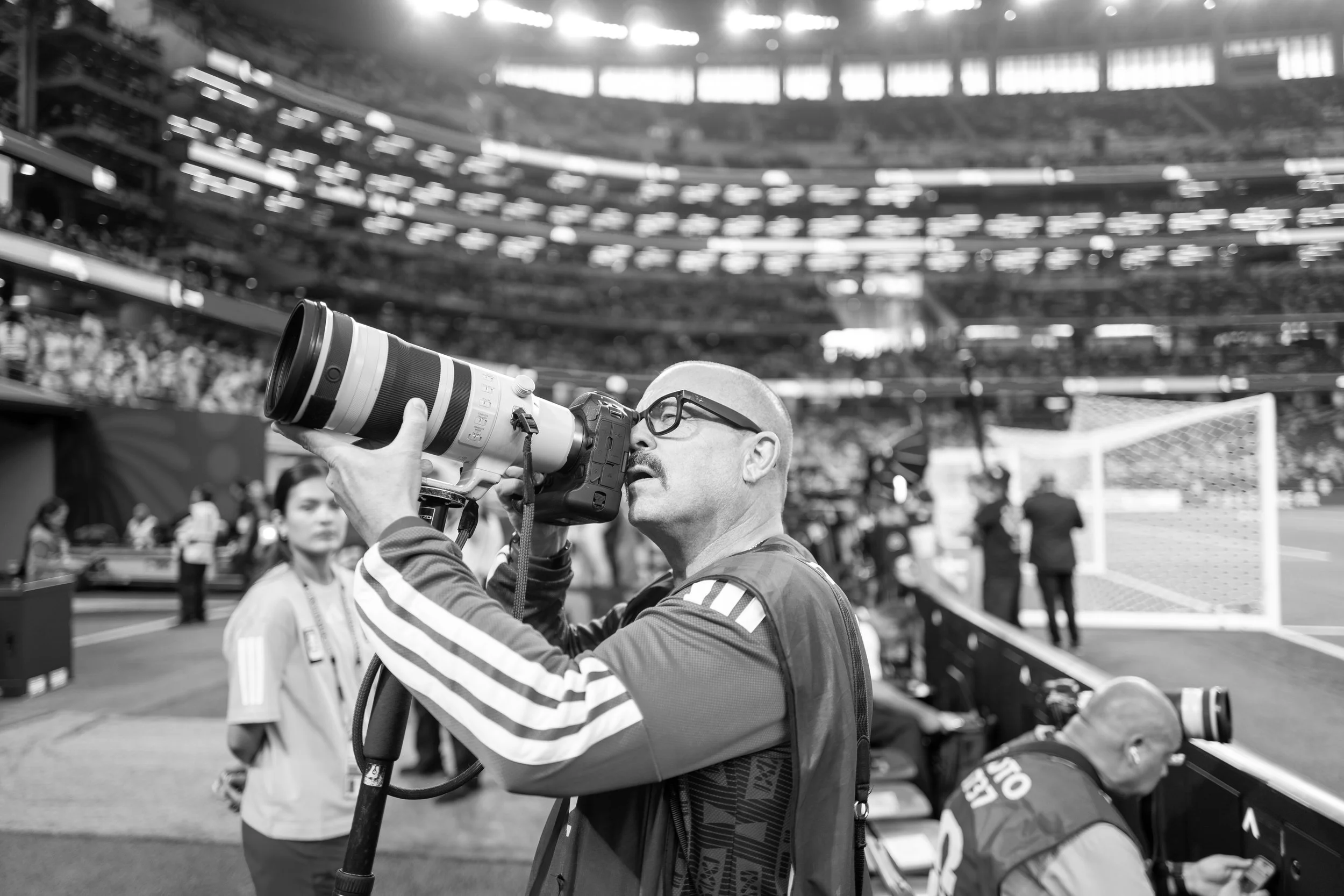
The amazing talented and unbelievably kind Reuters photographer Kai Pfaffenbach and I before a World Cup match in Dallas, TX.
Match 1 — Netherlands vs. Japan | June 14
To say I was nervous for the first match would be an understatement. There was a ton of excitement, of course, but there were also a lot of nerves.
Looking back now, there are so many things I would do differently. But that’s part of the process. That’s how we grow and get better — and photographers are usually our own worst critics.
I honestly don’t think I really got comfortable or found my rhythm until my third match. During those first couple of games, I had so many things running through my head. Most importantly, I wanted to make sure I did a good job for AFP — Agence France-Presse — and delivered the kind of images they expected from me.
I was able to make a couple of frames I liked, and I got lucky when a goal celebration came my way.
Action is always great, but so much of the story of a match is told through the celebration afterward. You can photograph a great goal, but if the players turn and celebrate in the opposite direction, there isn’t much you can do about it.
And when you don’t get one coming your way, it can be such a deflating feeling.
Fortunately, in my very first World Cup match, I got one.
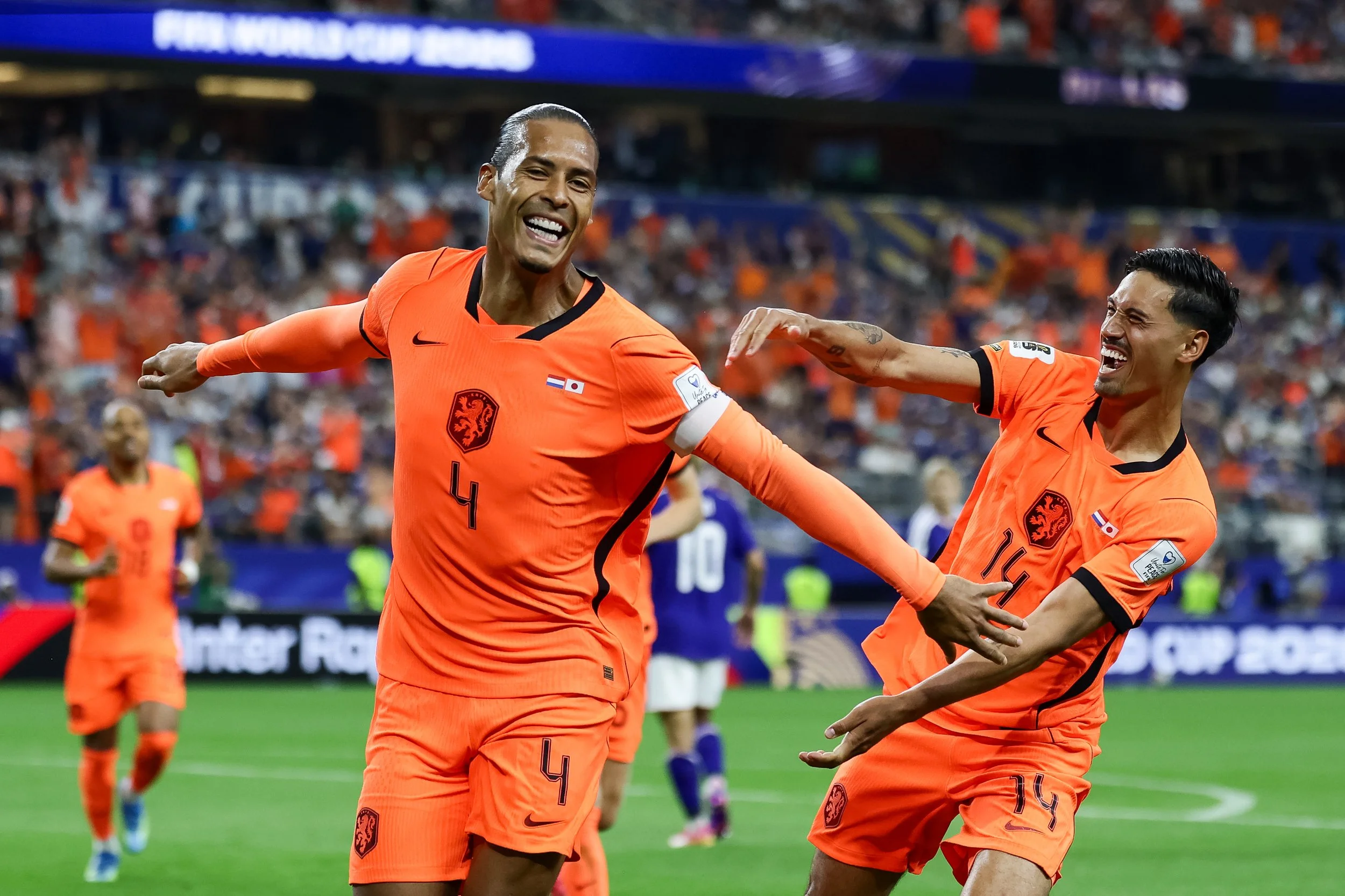
Virgil van Dijk celebrates his goal
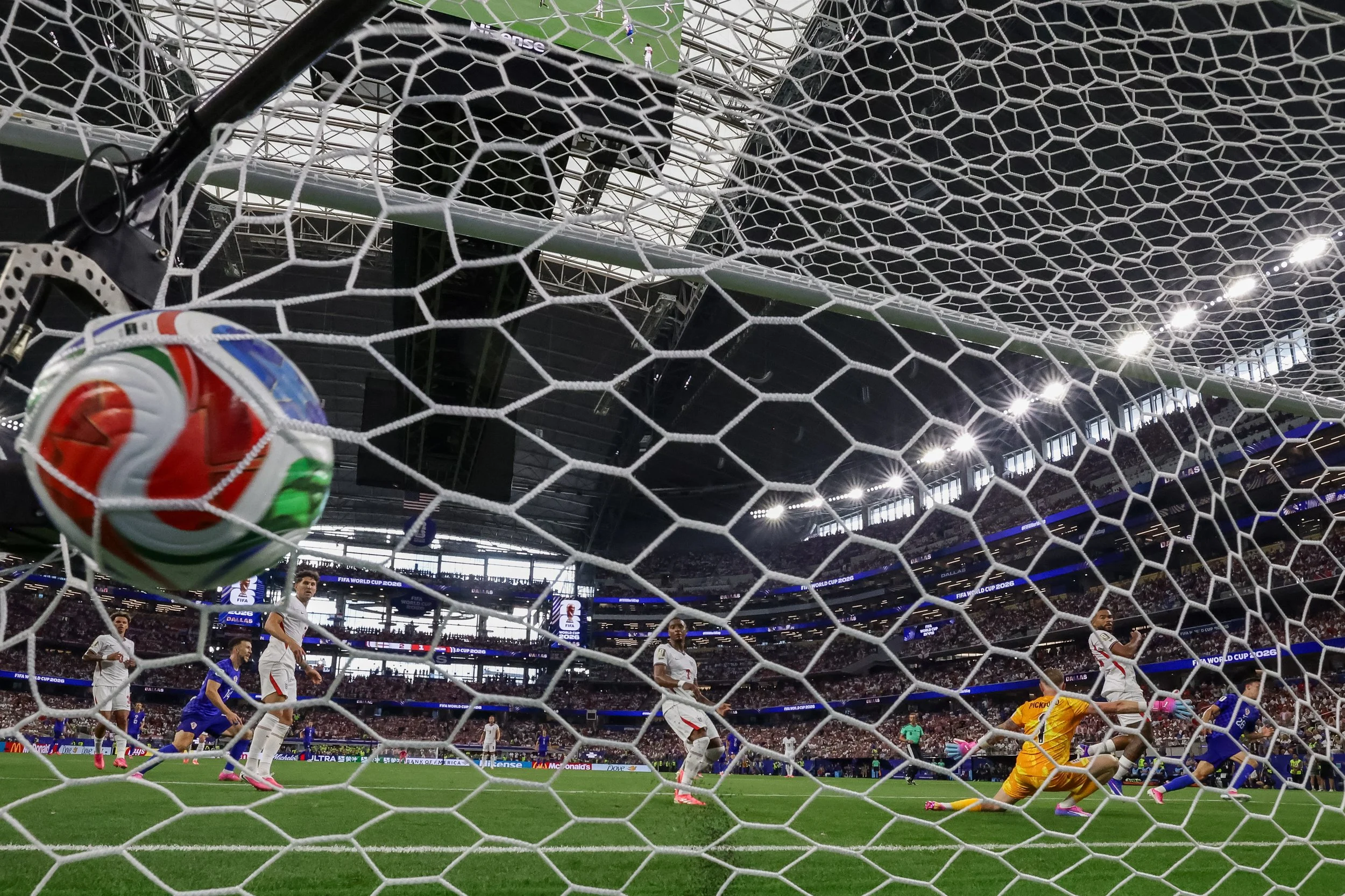
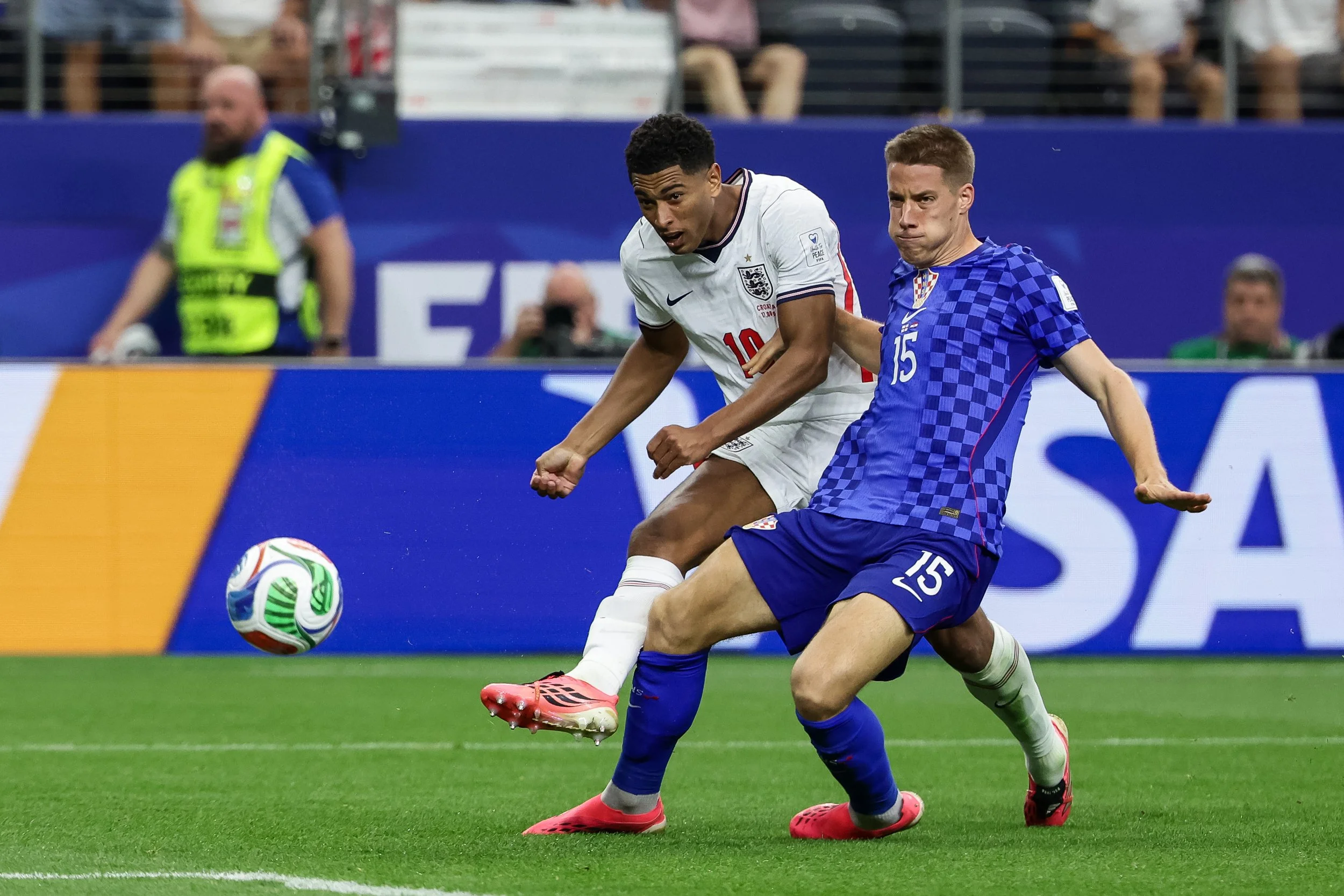
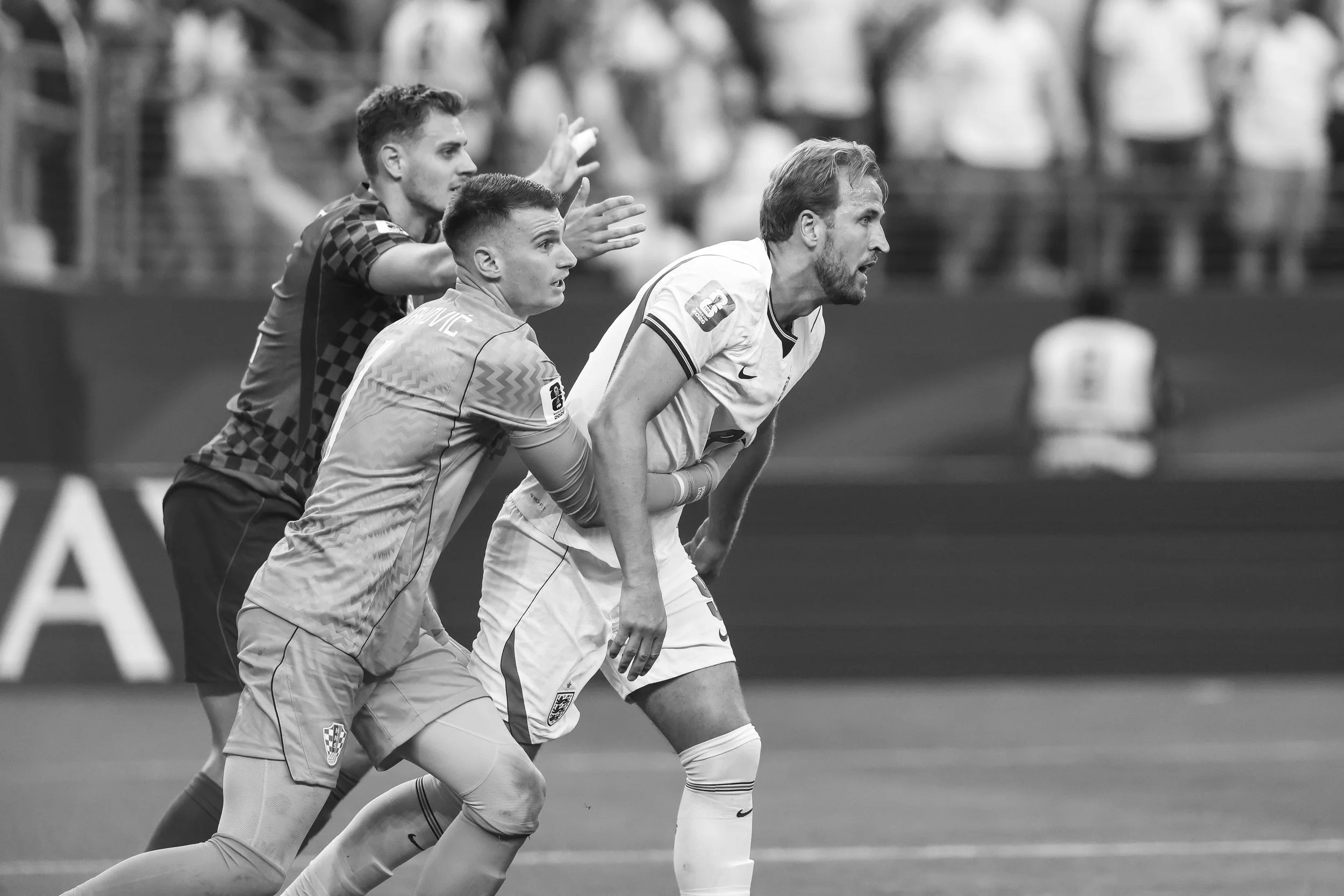
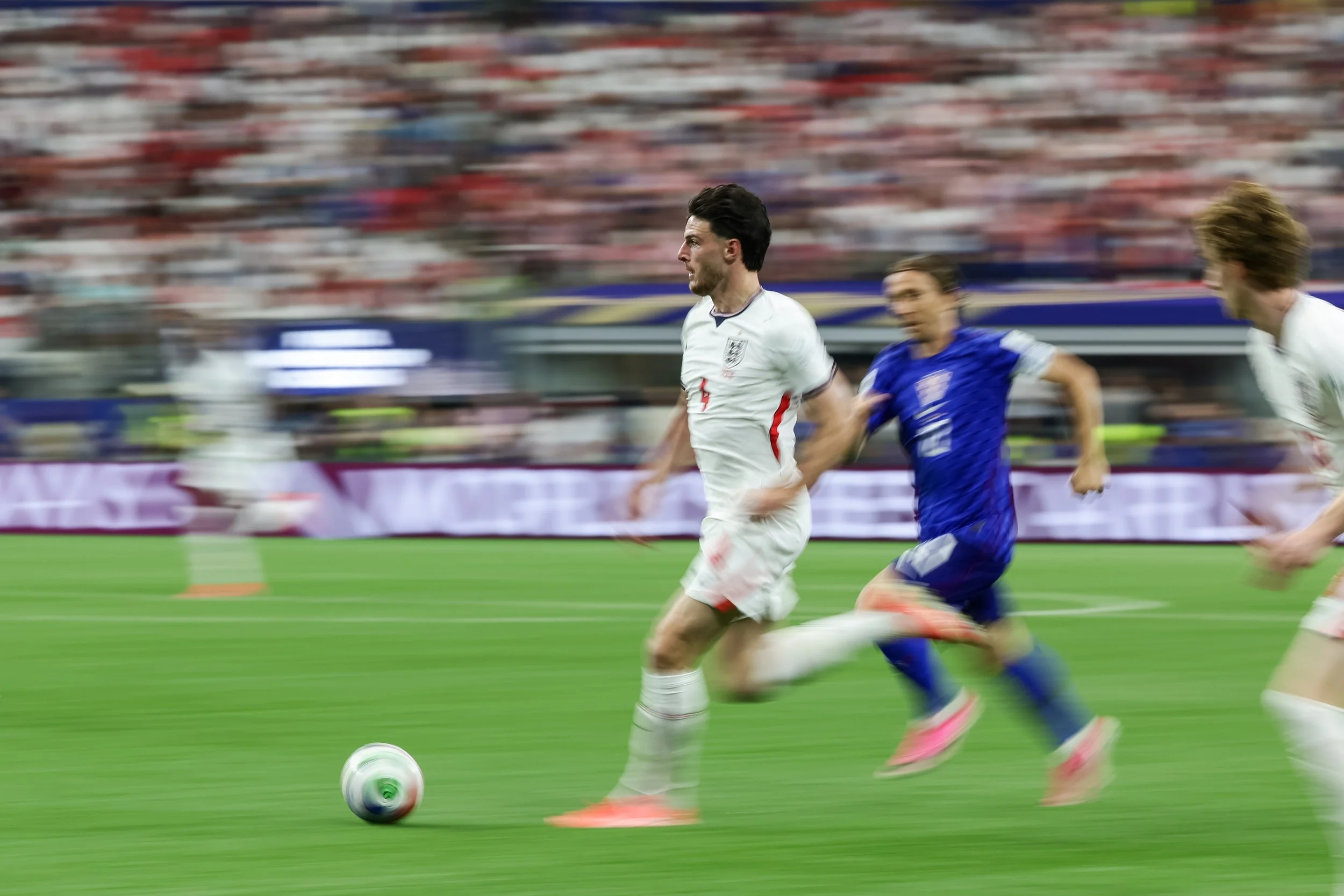
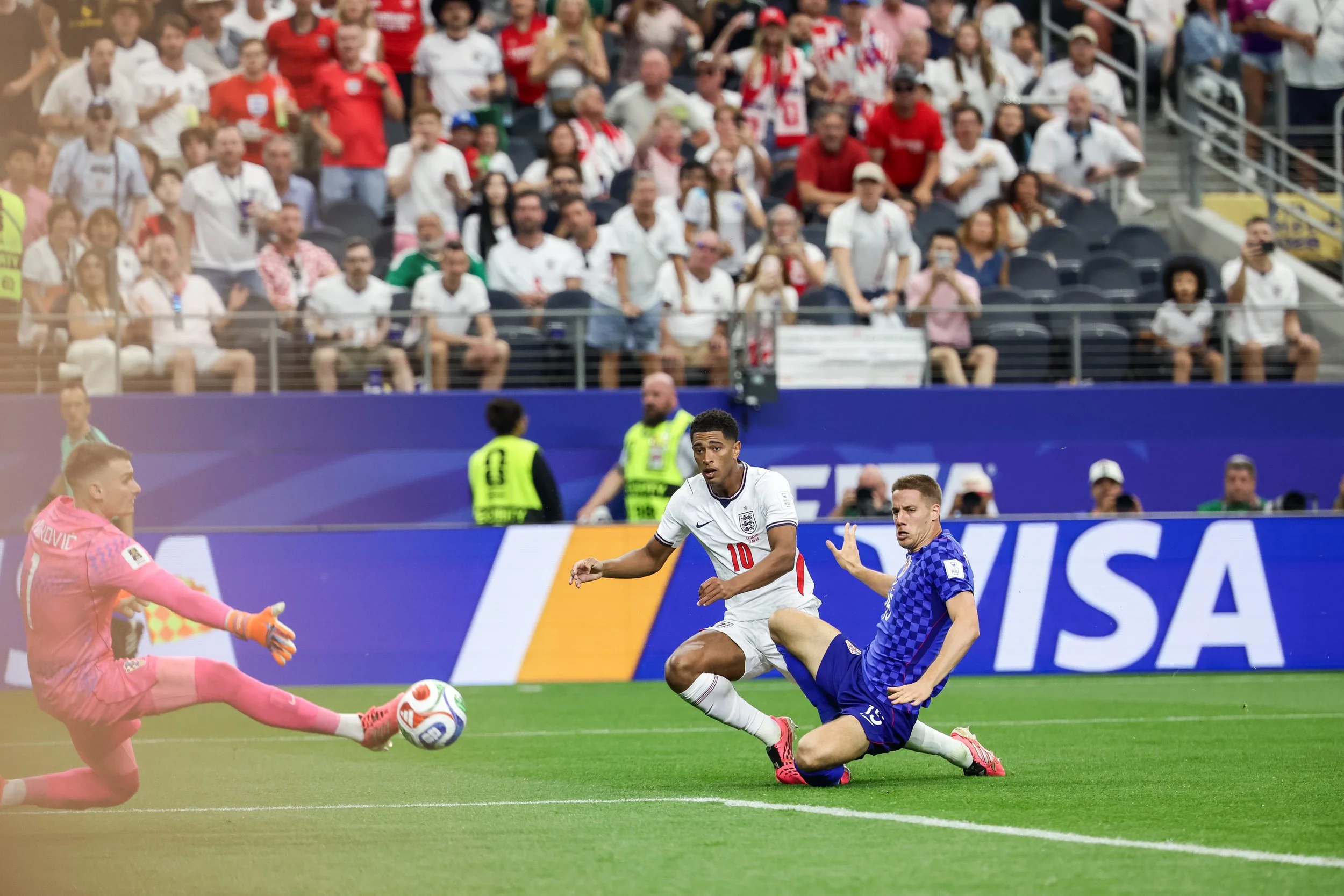
Match 2 - England vs Croatia | June 17
When I saw this match on my schedule, I was beyond excited. Getting the opportunity to photograph England — and experience even a small glimpse of their supporters and football culture — was something I knew was going to be special.
It ended up being beyond anything I imagined.
After the match, I ran into my friend and fellow photographer Andrew Hancock in the tunnel. We only talked for a brief moment, but we were both saying the same thing: how unbelievably cool that atmosphere had been.
Andy summed it up perfectly:
“It was like going to church today. That’s how we felt leaving the match.”
I couldn’t agree more.
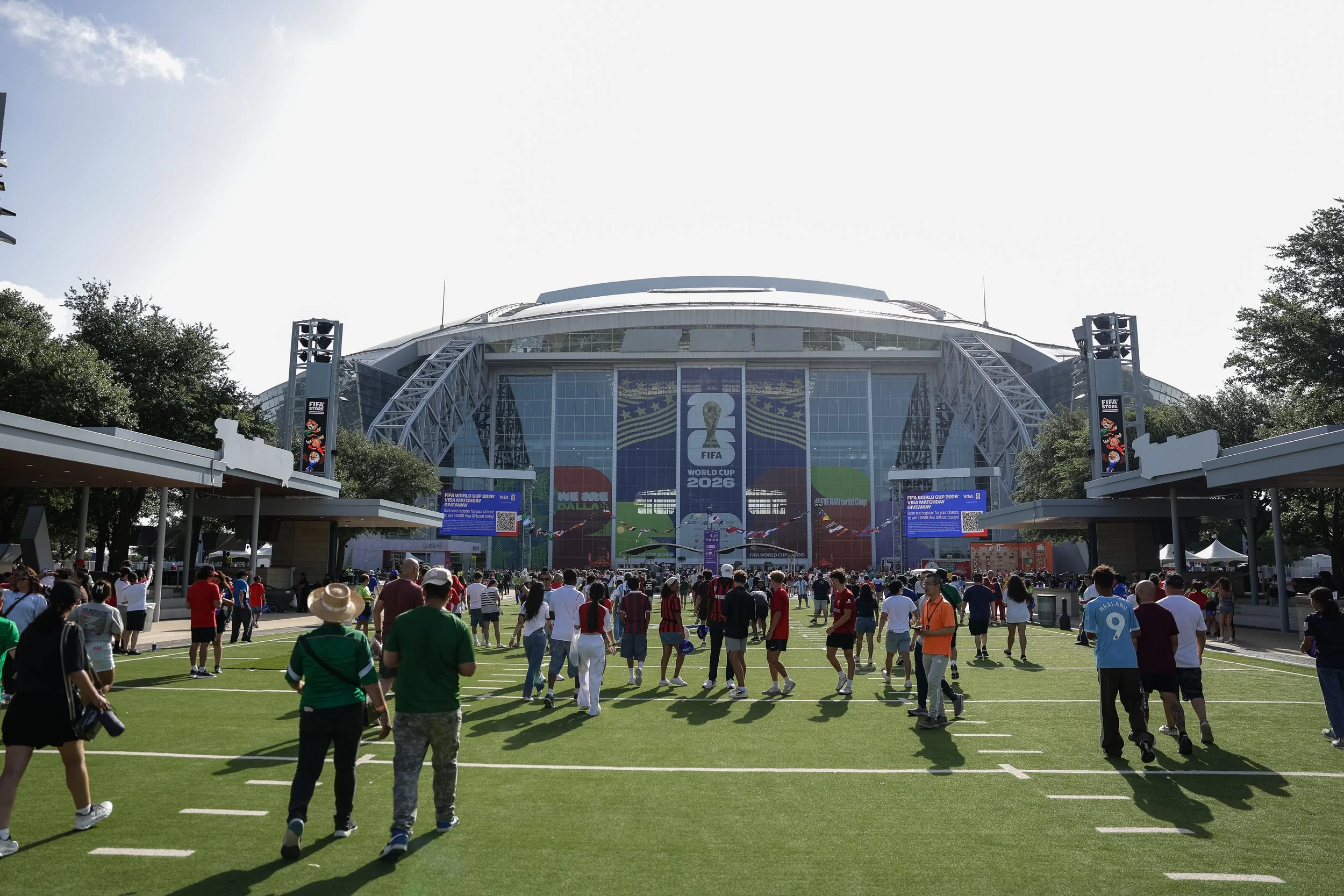
England supporters packed the stadium, hung flags everywhere and completely transformed AT&T Stadium. I’ve photographed a lot of events there, but this felt different. It created an atmosphere I’m not sure I’ll ever experience there again.
As for my images, I made some frames I’m happy with — but I wish I had made a lot more.
This is one of those matches I look back on and immediately think about the things I would have done differently. Different positions. More attention on the supporters. More of the atmosphere surrounding the match.
At the time, I was still trying to find my rhythm at the World Cup. Looking back now, I think this was the first match that really showed me just how much of the story existed beyond what was happening on the field.
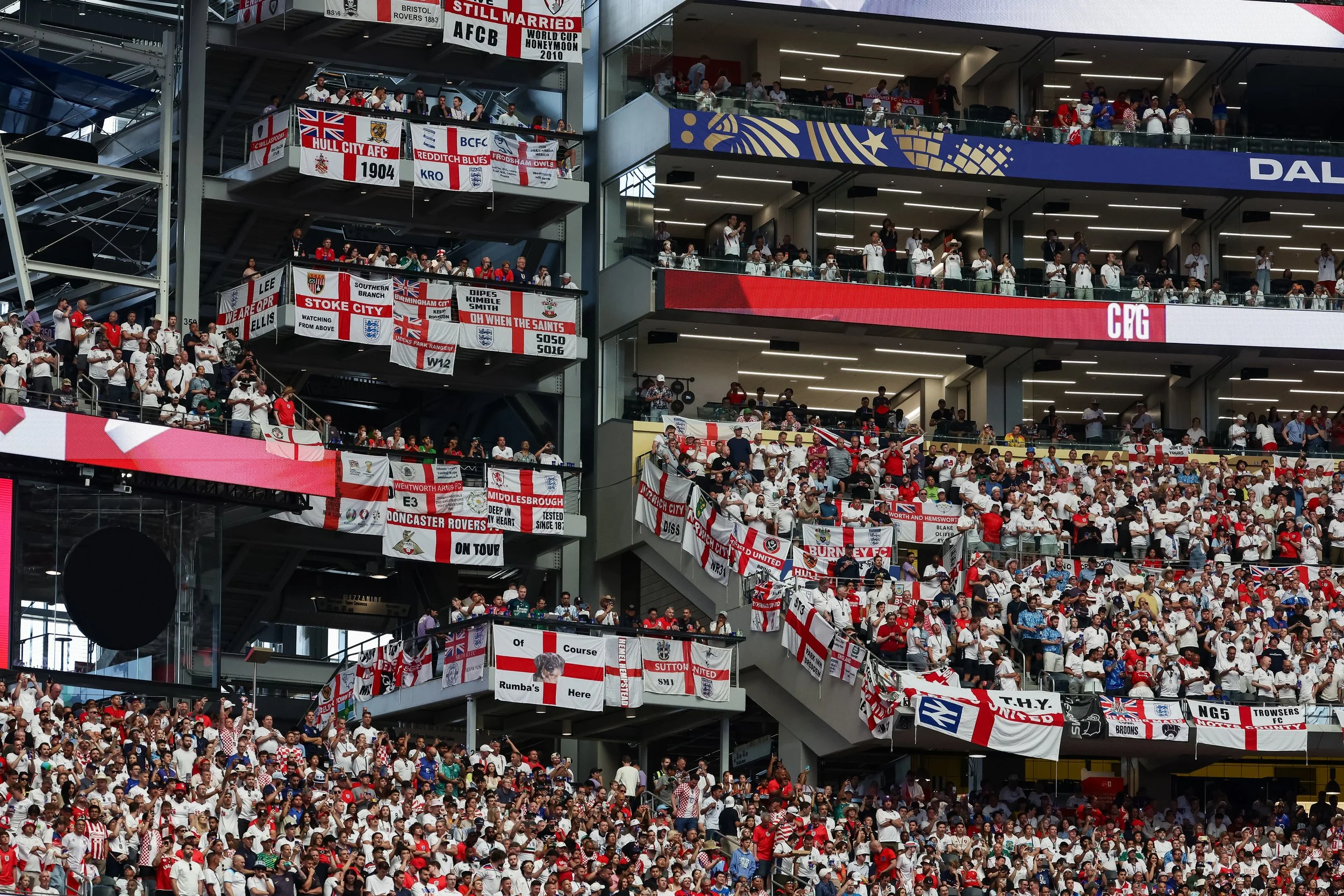
England supporters and their flags in AT&T Stadium
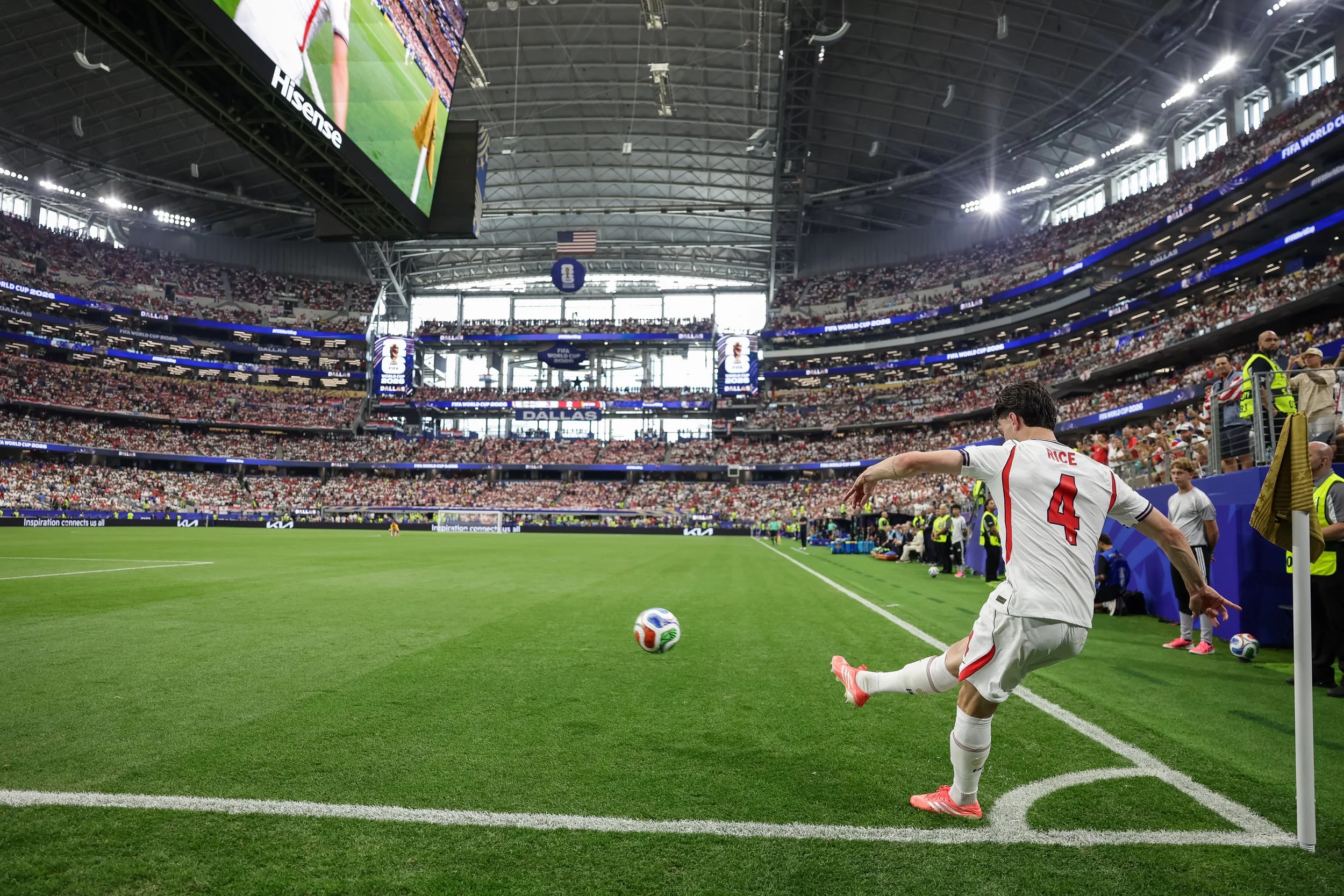
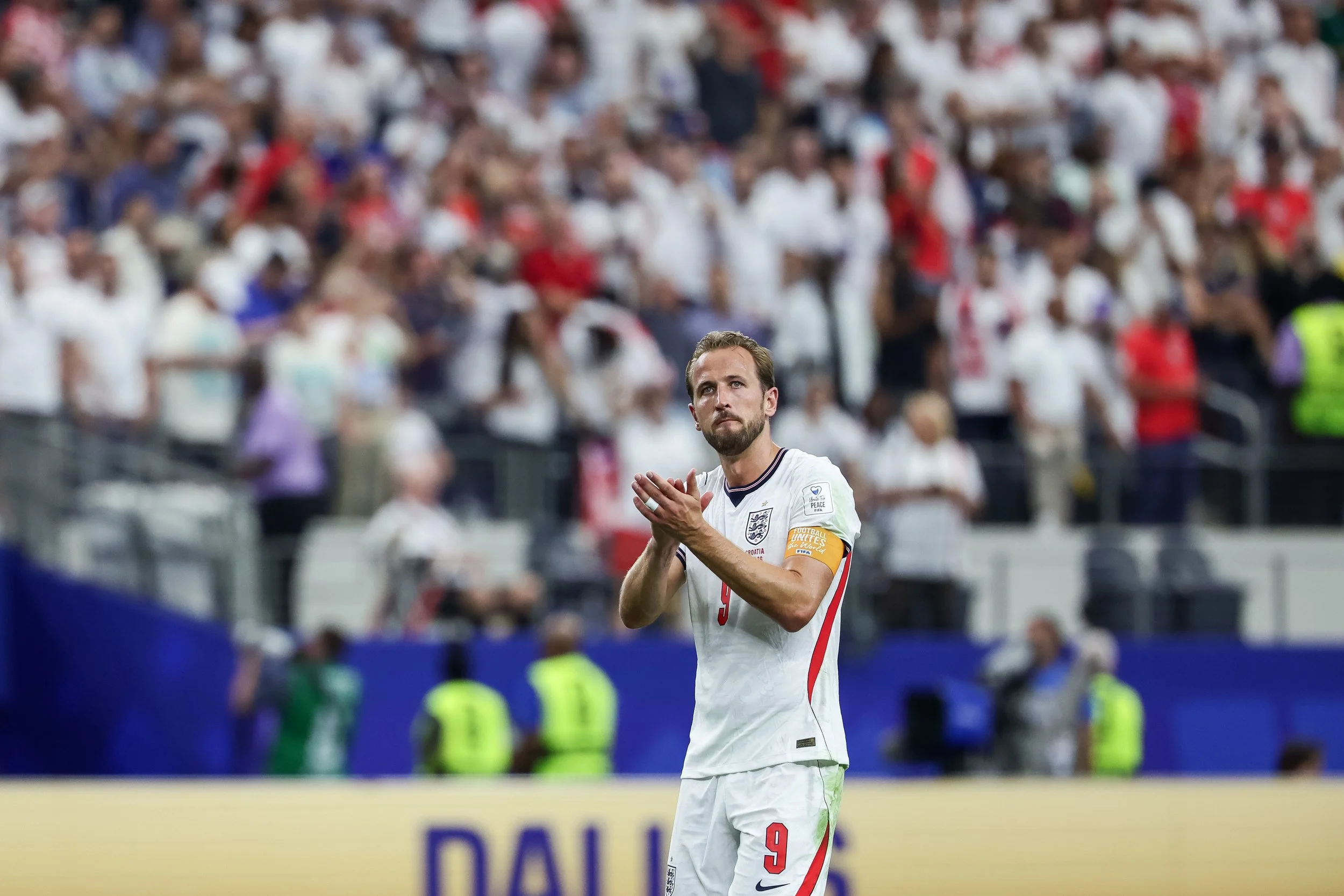
A taste of the atmosphere after the match…Video doesn’t do it justice. I still get goose bumps listening to this.
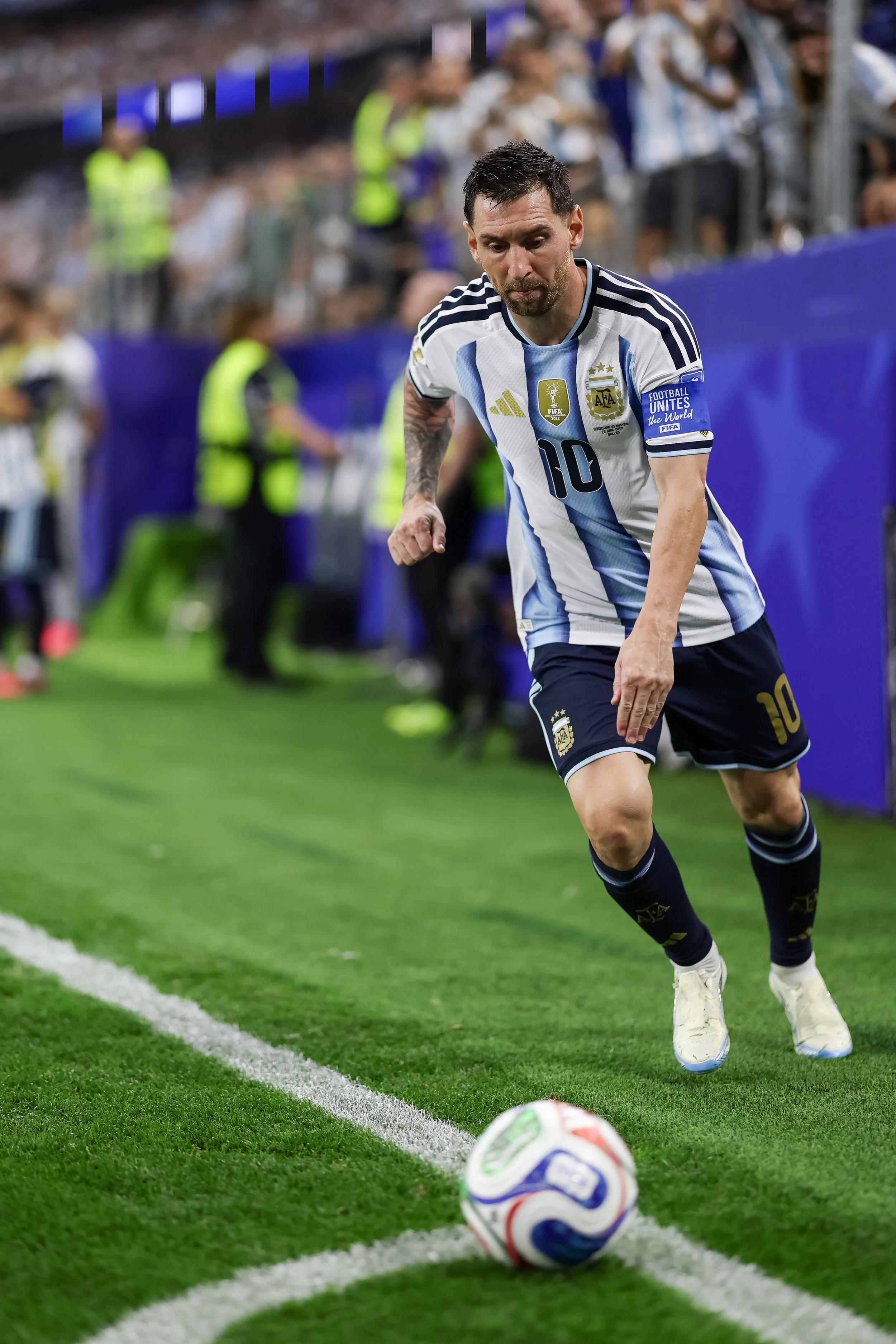
Match 3 - Argentina vs Austria | June 22
This match really needs no introduction — the defending champions and Messi.
When I saw Argentina on my schedule, I knew this one was going to be different. And it reinforced something I had already started to realize: the World Cup truly is the biggest sporting event in the world.
Fans and members of the press were arriving five or six hours before kickoff. The anticipation surrounding the stadium was unlike anything I had experienced before.
Unfortunately, this match also brought my biggest frustration and disappointment of the entire World Cup.
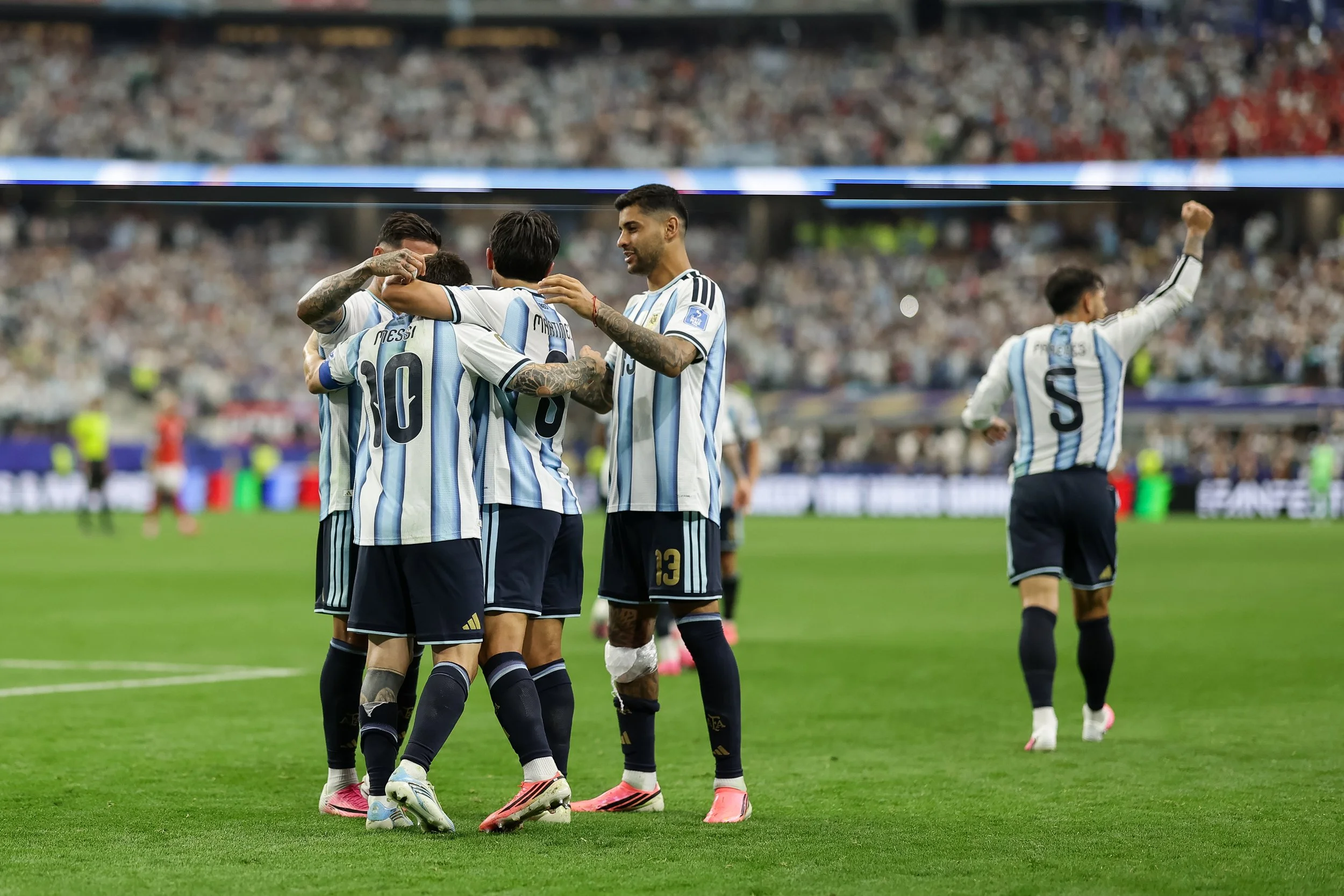
Messi scored.
The celebration came right toward me.
And I missed focus.
As photographers, those are the moments we dream about. You position yourself, anticipate where the player might go, and hope everything comes together. This time, almost everything did.
Except my focus.
To say I didn’t sleep much that night would be an understatement. I replayed it over and over in my head, wondering what I could have done differently.
And yes…it still haunts me to this day.
But I think that’s also part of this story. You can prepare, put yourself in the right position and have one of the greatest players ever celebrating directly in front of your camera — and still miss the photograph.
All you can do is learn from it and be ready for the next one.
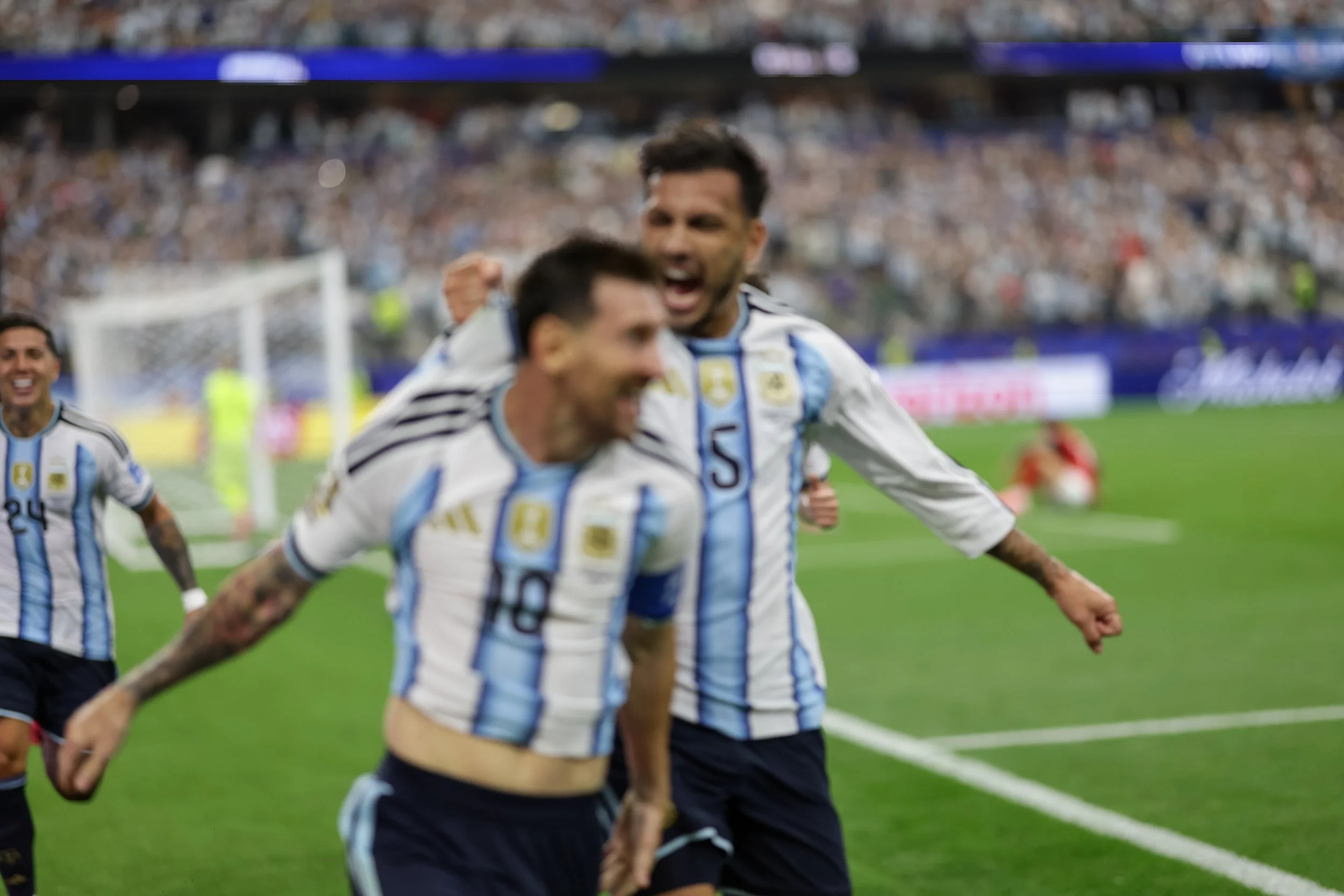
The image I missed of Messi.
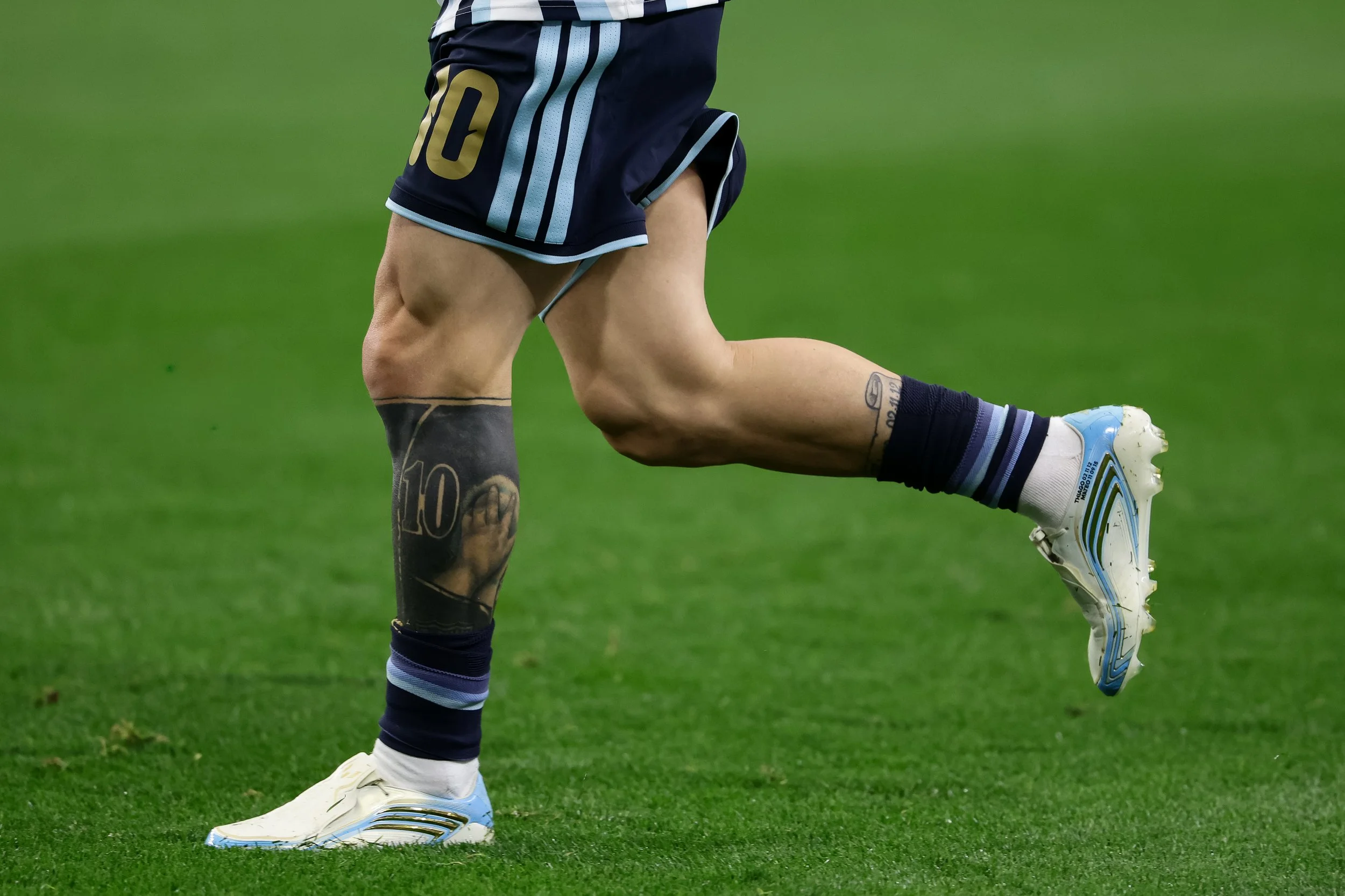
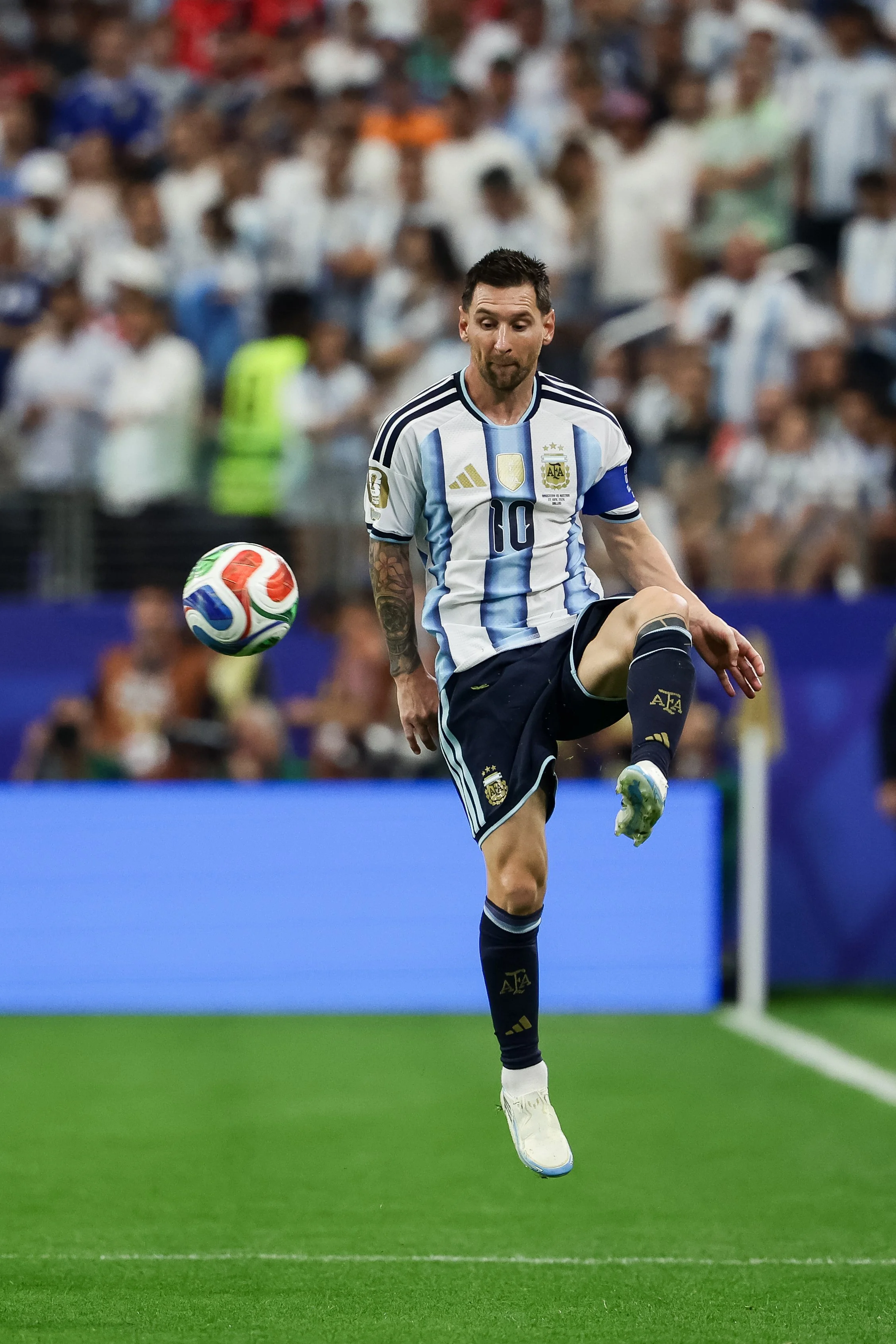
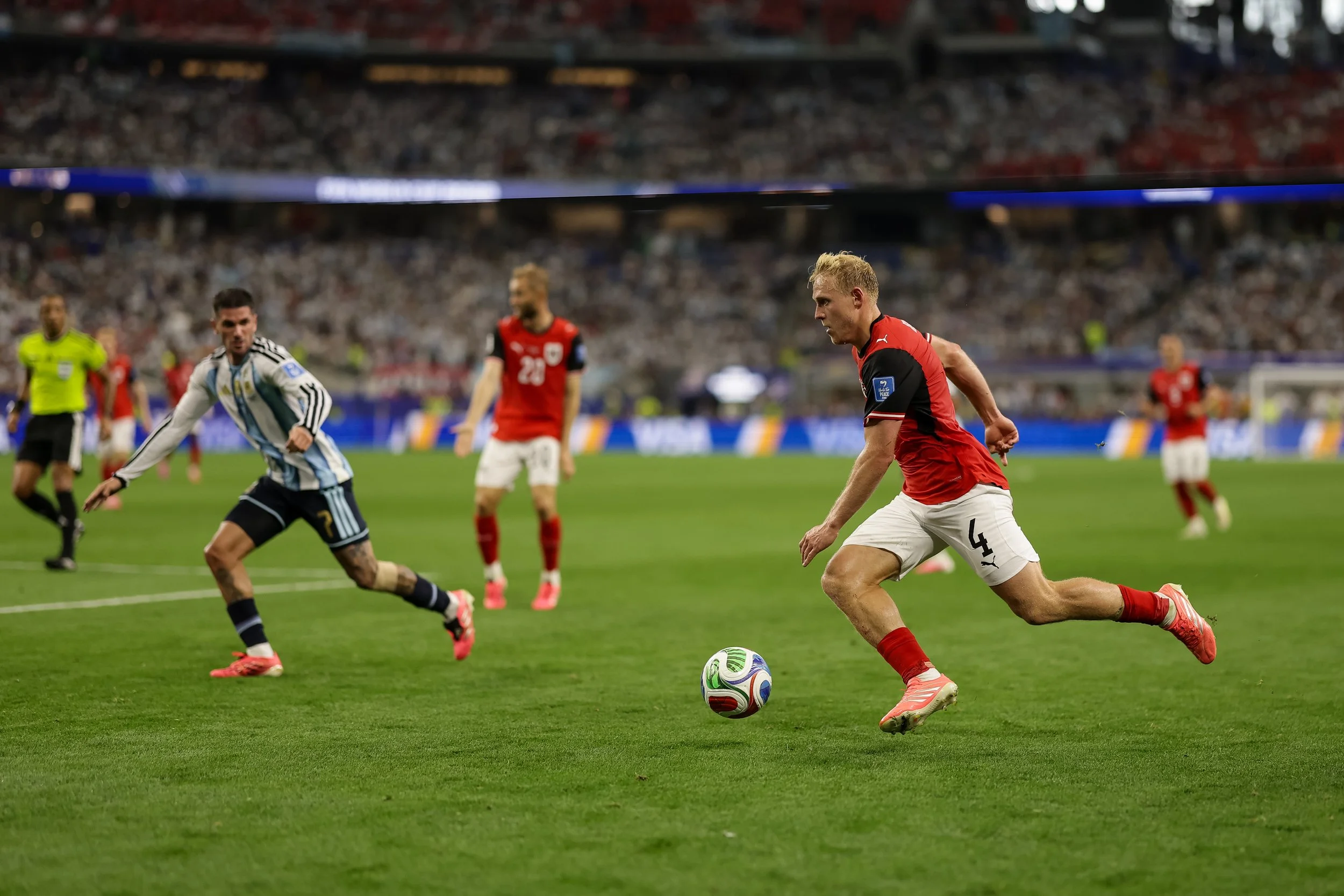
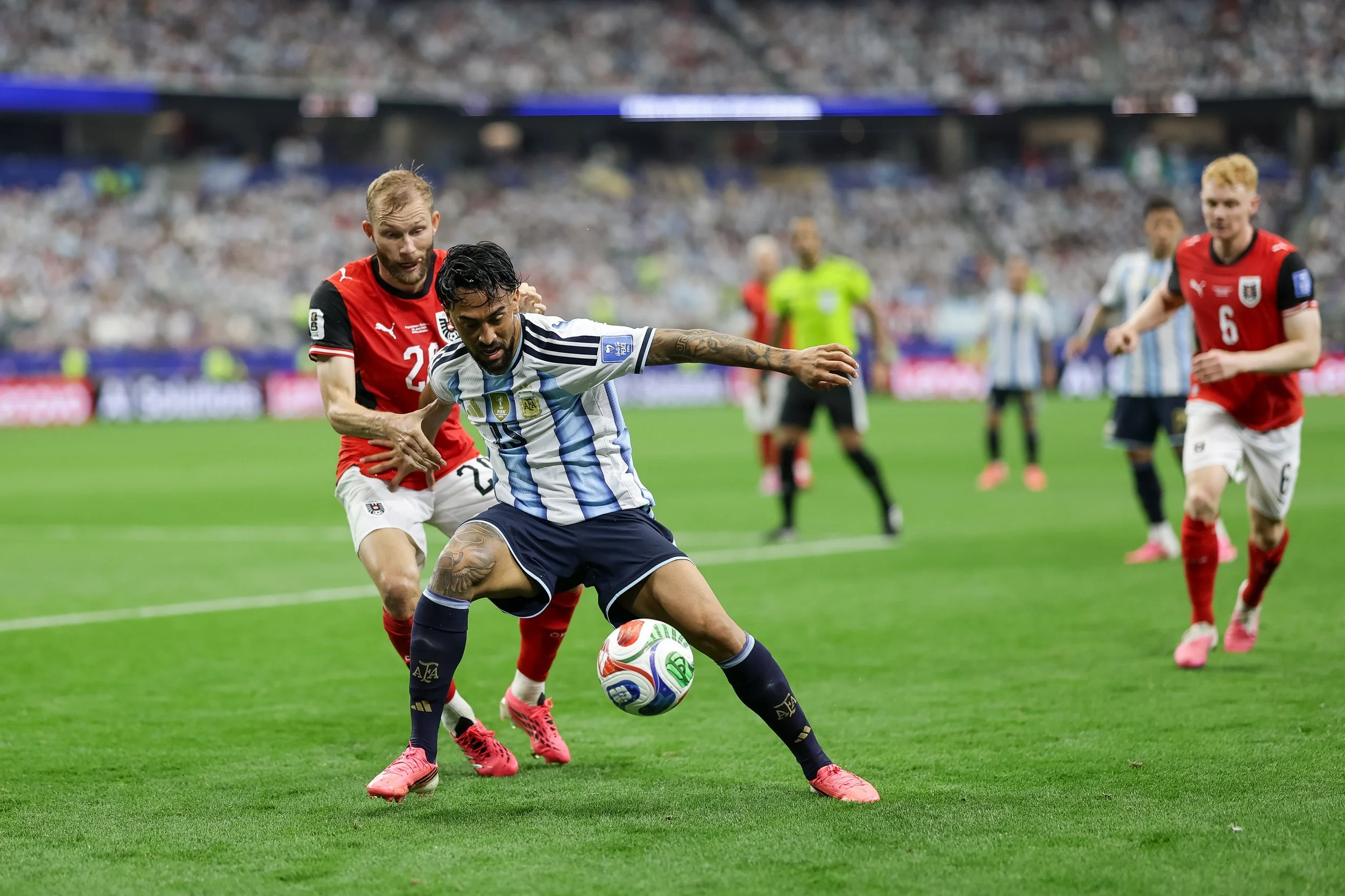
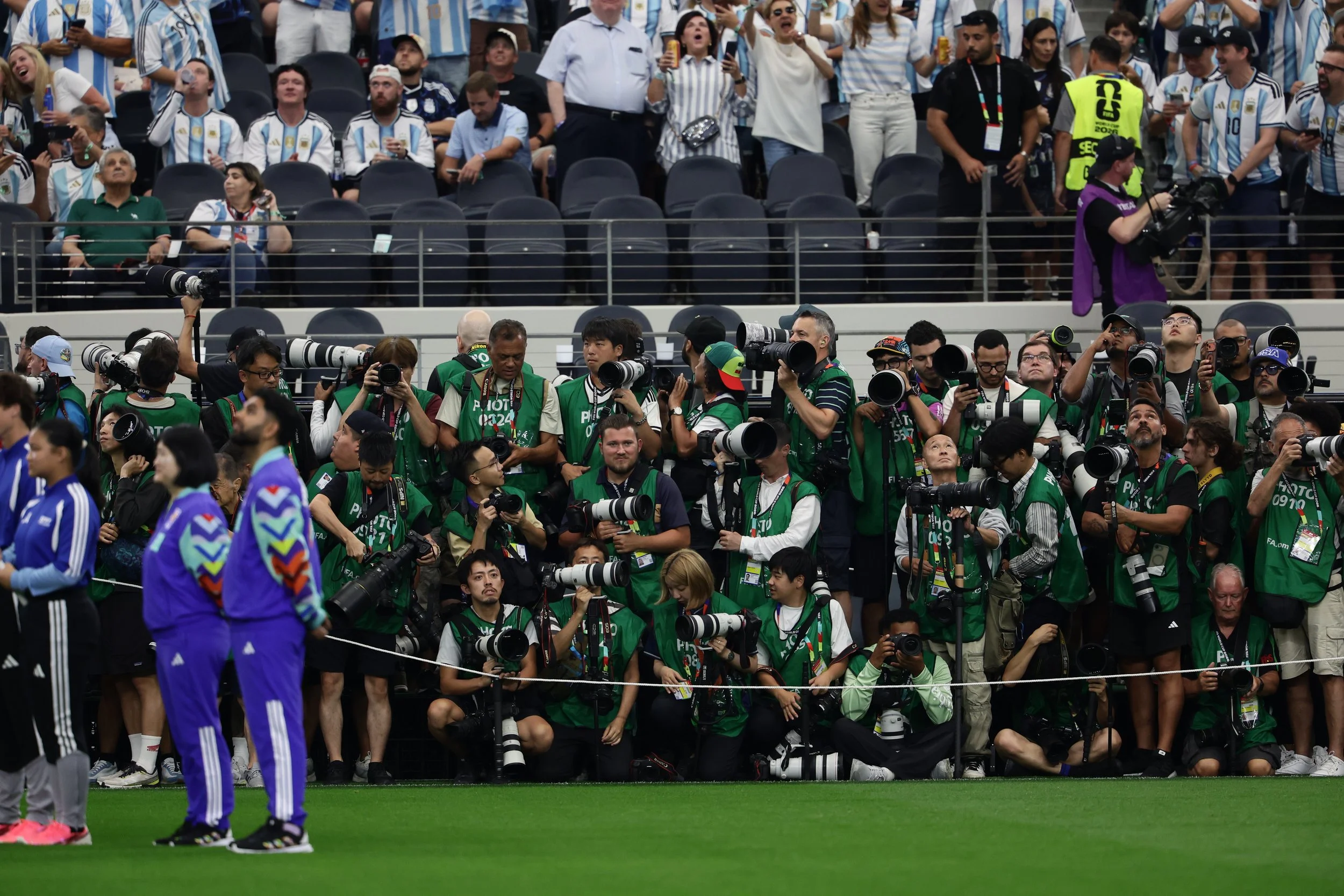
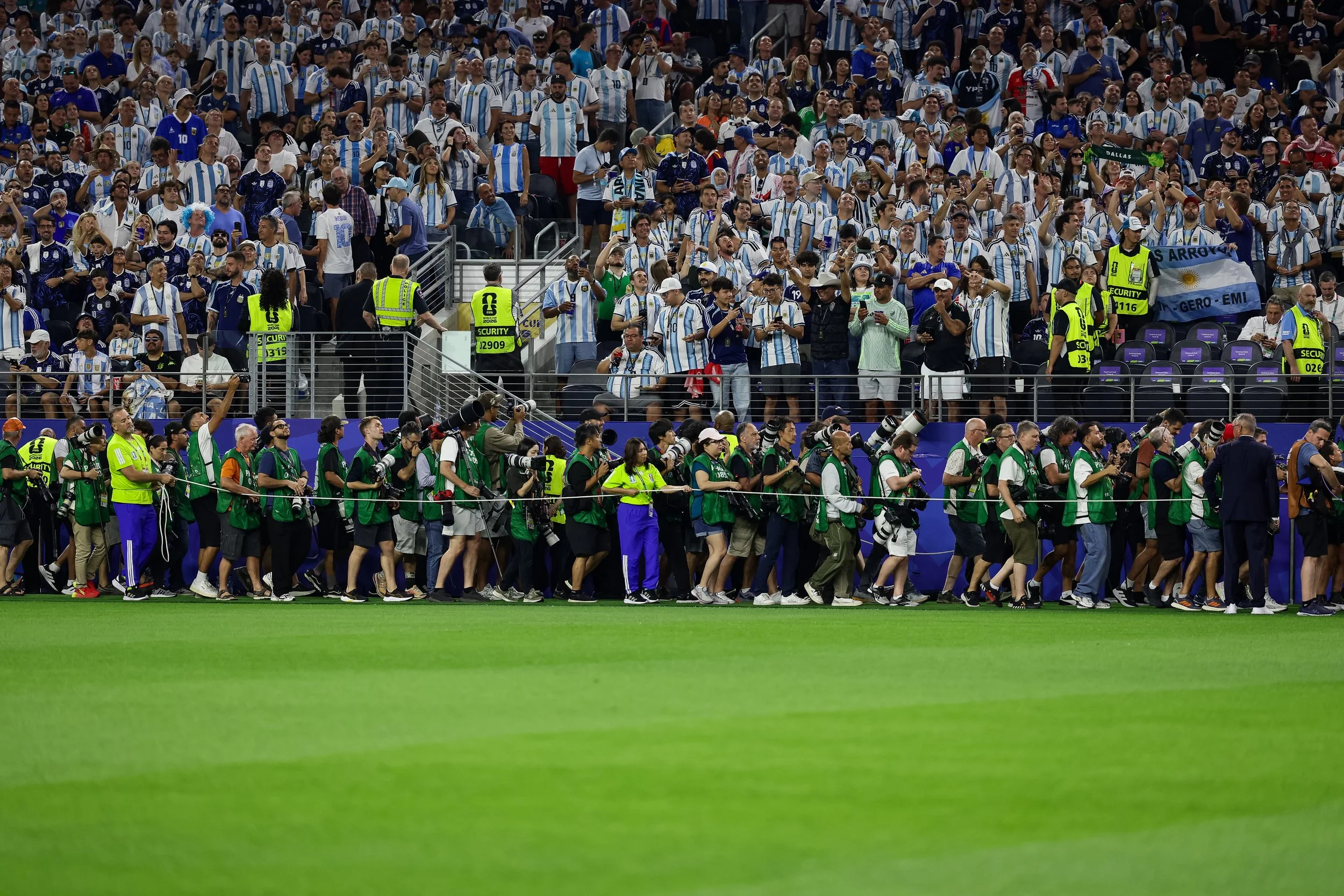
All the photographers trying to get position for the pre-match ceremonies.
Match 4 - Japan vs Sweden | June 25
For this match, I decided I wanted to try something a little different.
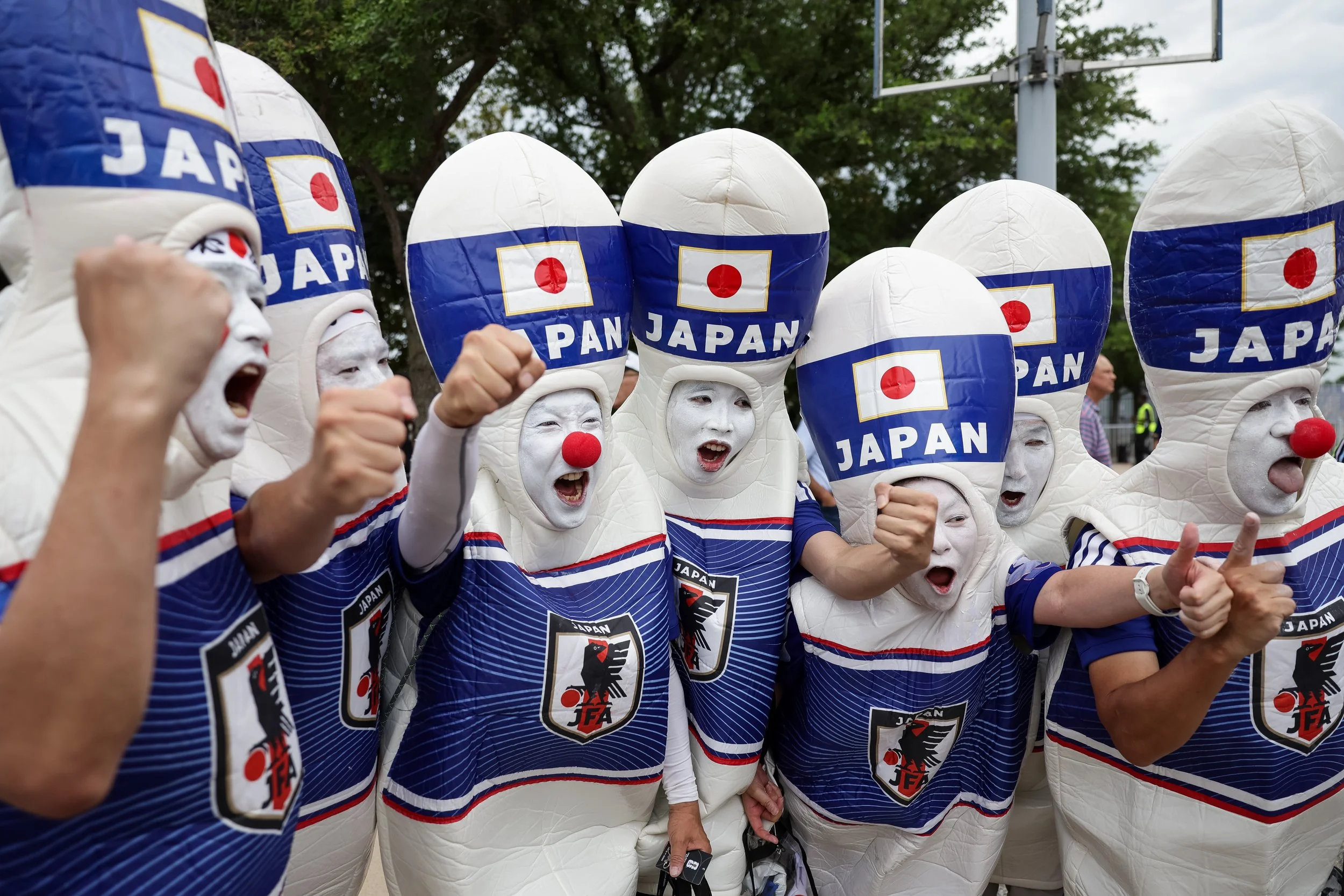
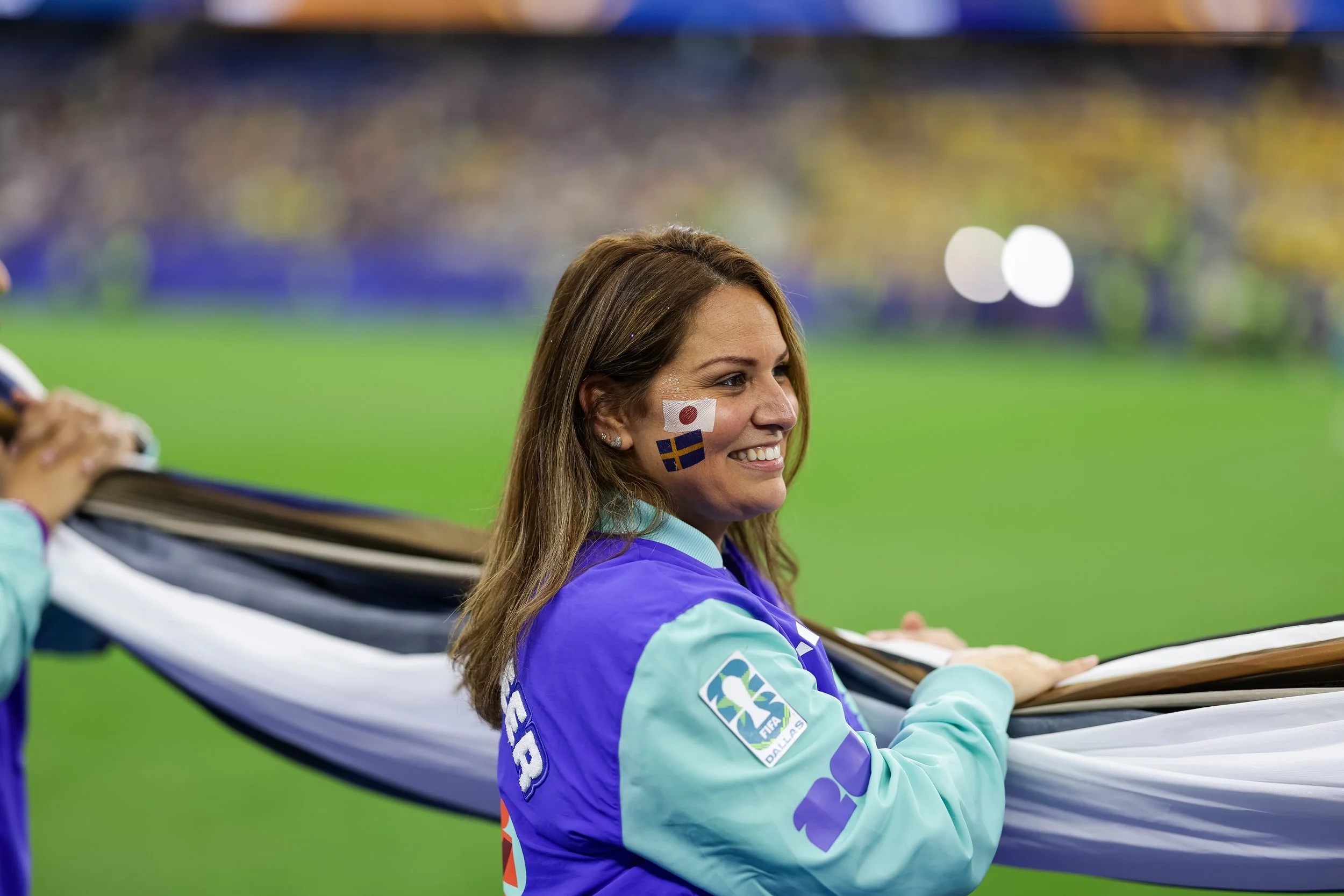
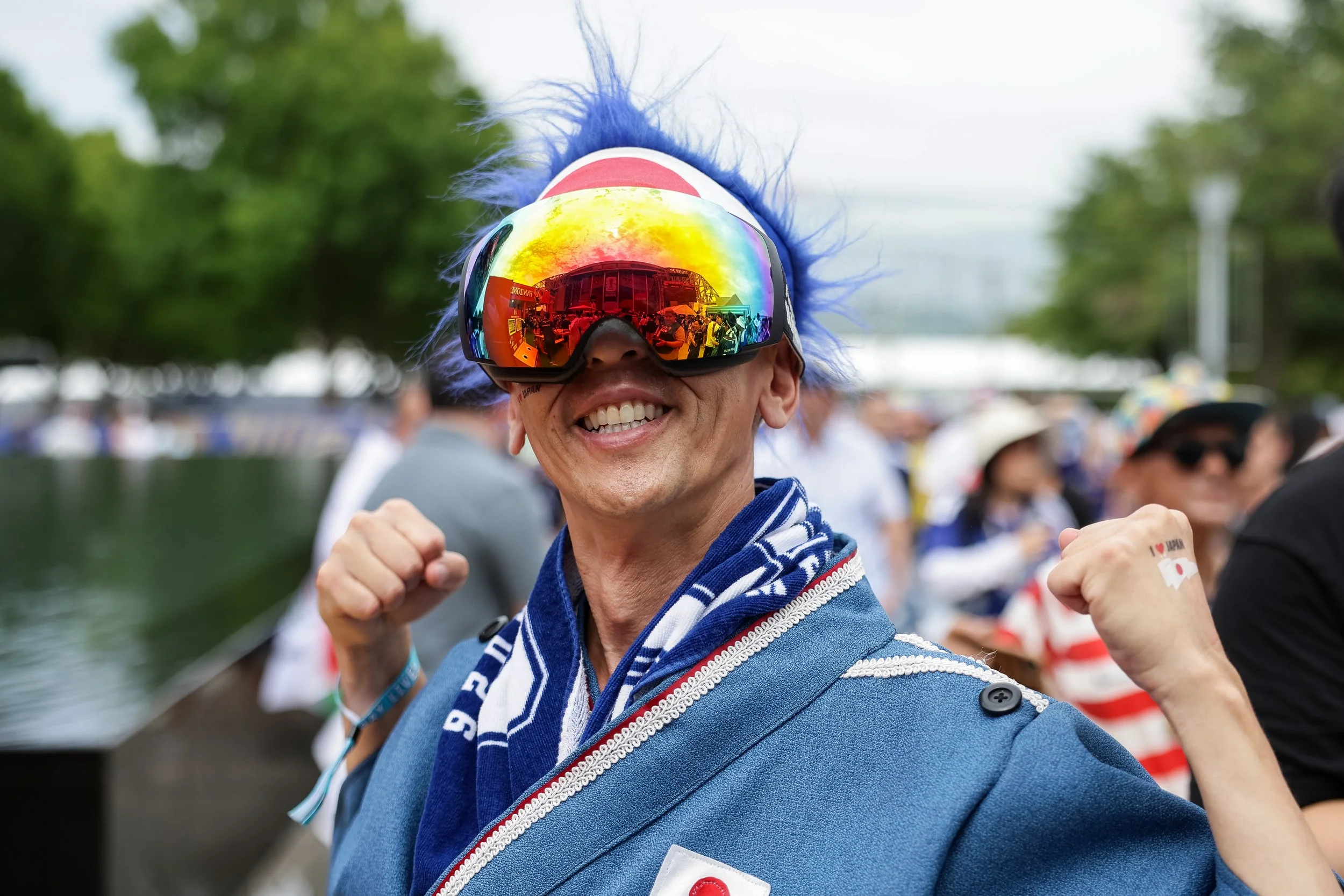
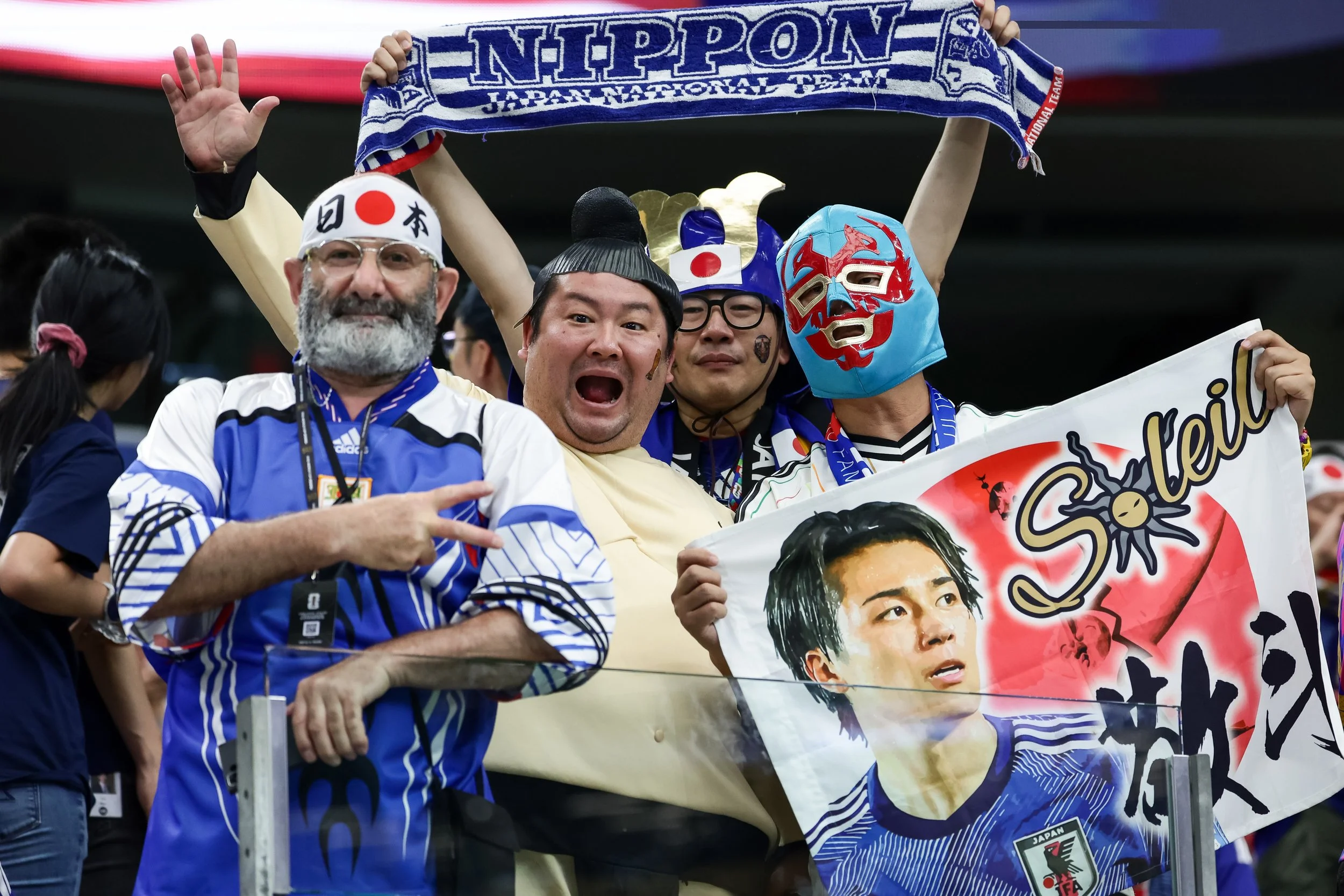
I had always heard about the passion of Japanese supporters, so I wanted to spend more time looking beyond the field and create images that showed some of that personality, energy and culture.
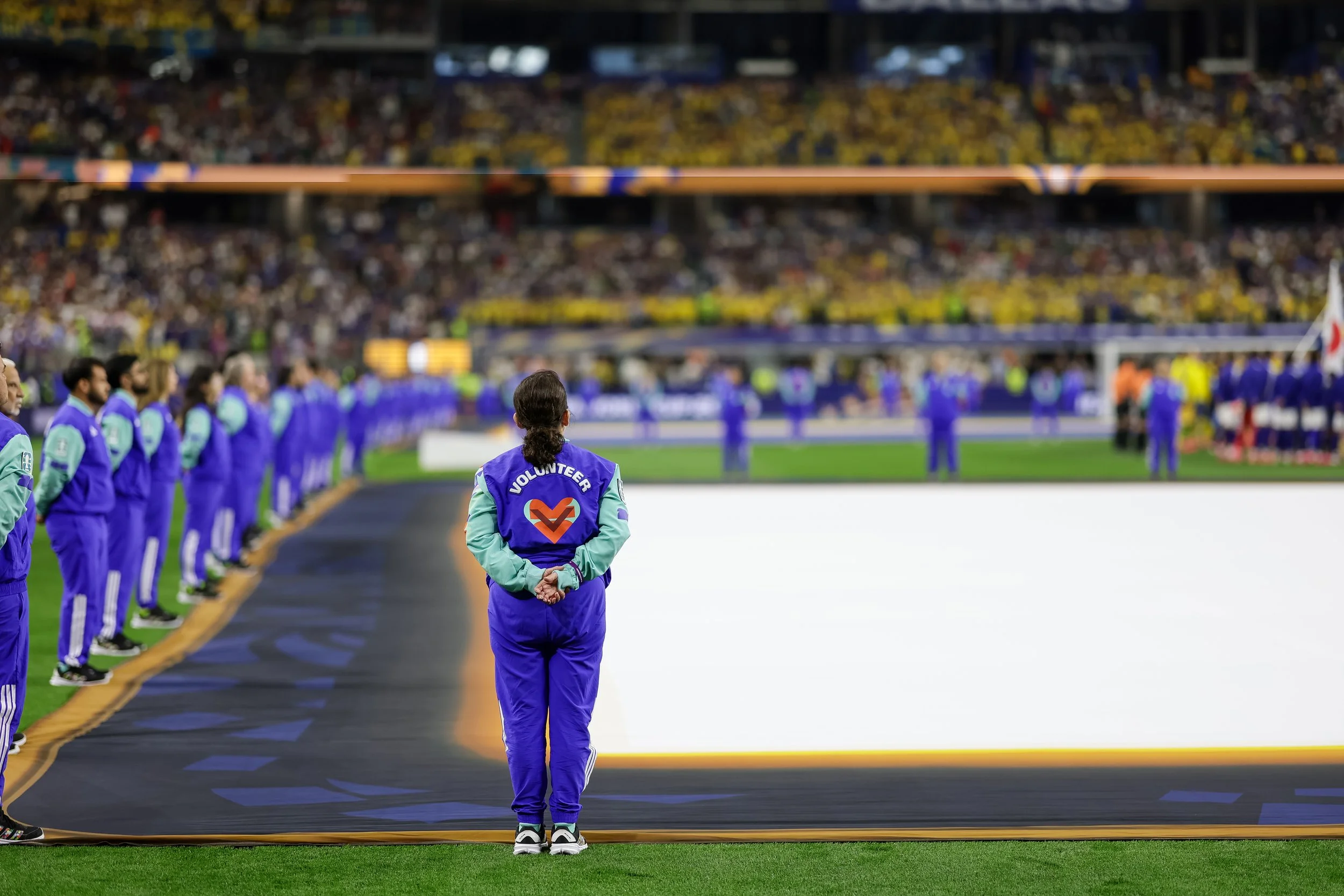
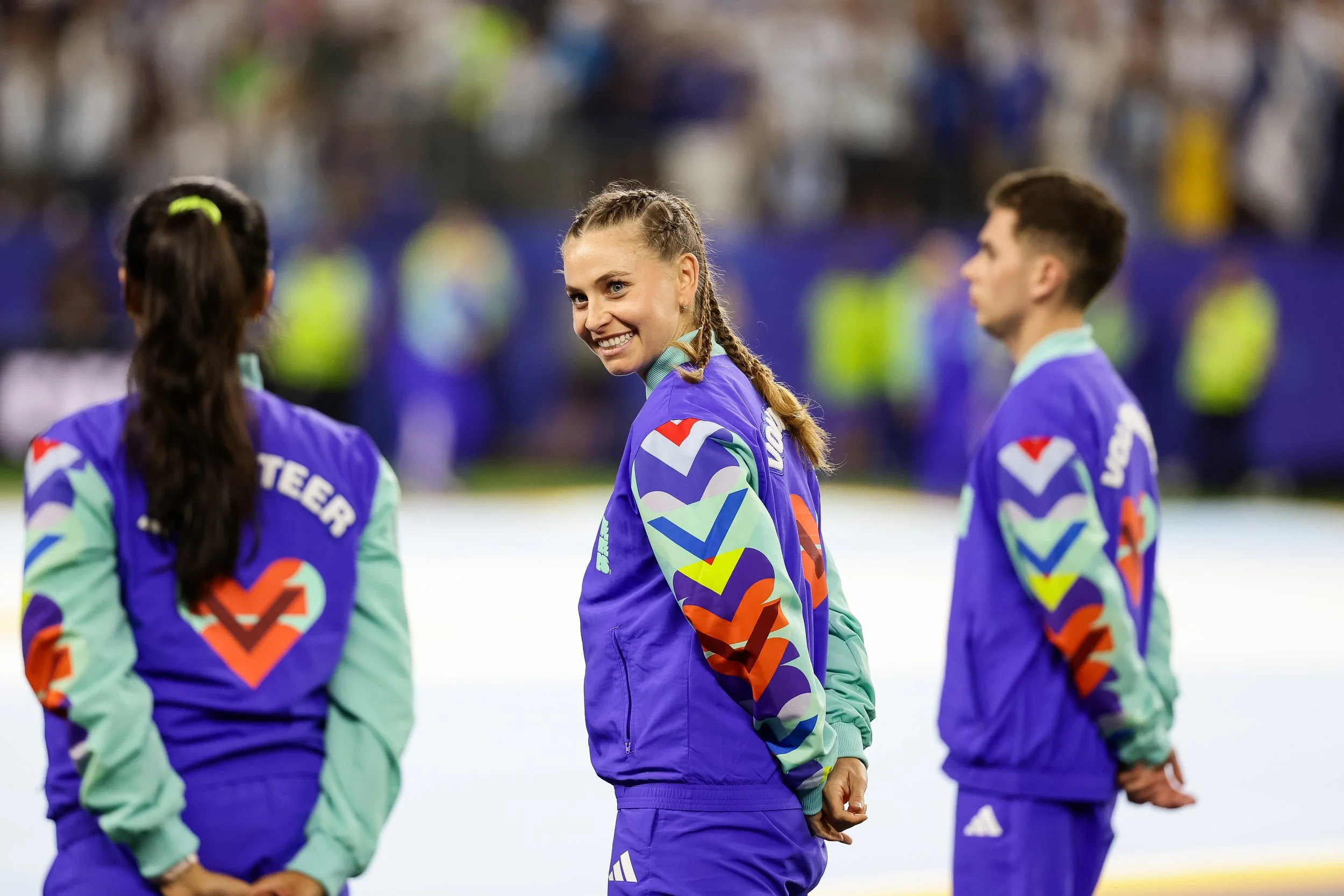
I also started thinking more about all of the other people who make an event like the World Cup what it is.
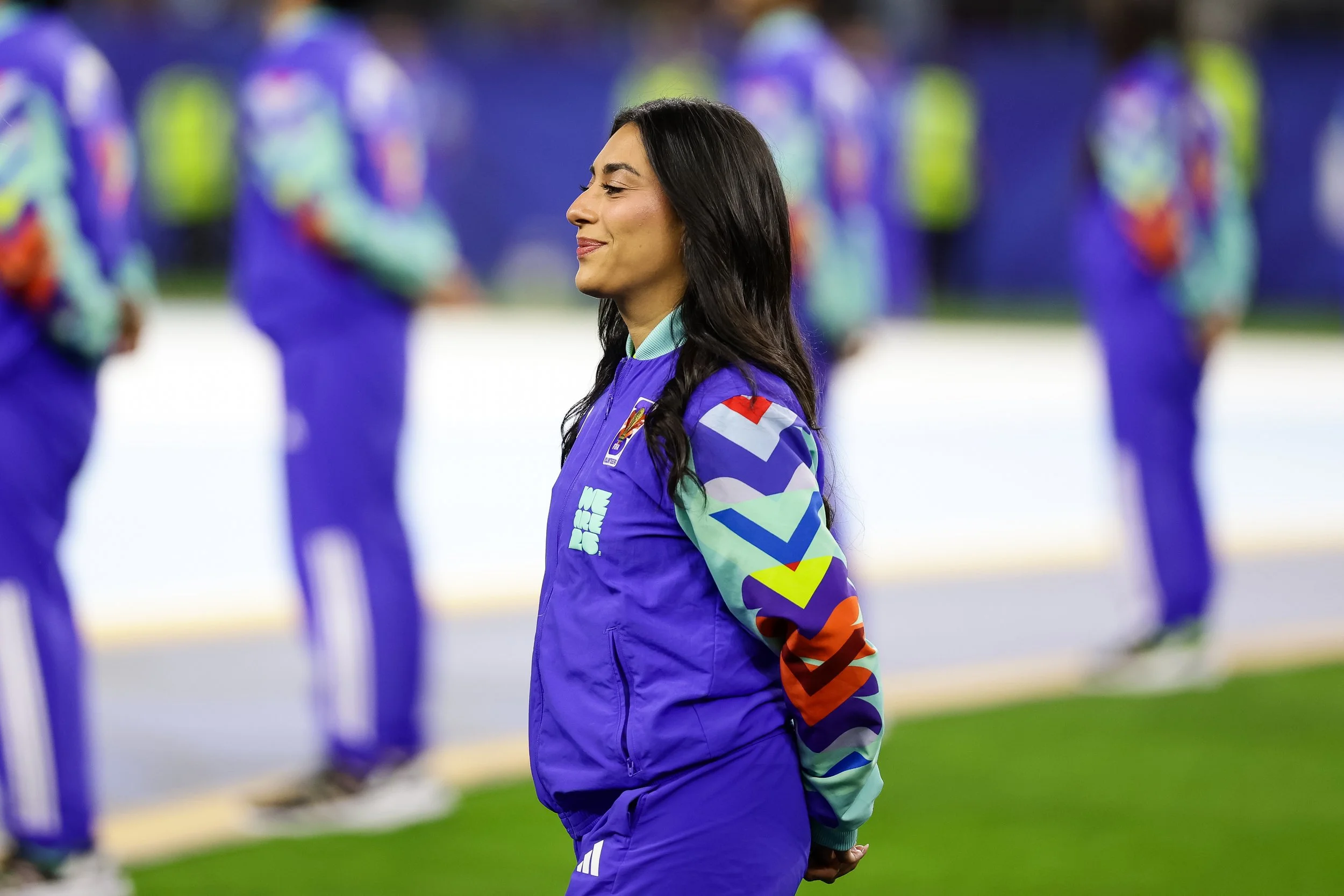
The volunteers. The supporters. The photographers. The people working behind the scenes that most fans never really notice.
Around this time, I had also started receiving messages from some of the volunteers I had photographed. That was something I didn’t expect. They were seeing the images, reaching out and telling me what those photographs meant to them.
It reminded me that not every important photograph from the World Cup had to include a player or a goal.
Sometimes the story was happening on the other side of the camera.
So for Japan vs. Sweden, I made a conscious effort to slow down, look around a little more and photograph the people who were helping create the atmosphere surrounding the match.
Looking back, I’m really glad I did.
Match 5 - Jordan vs Argentina | June 27
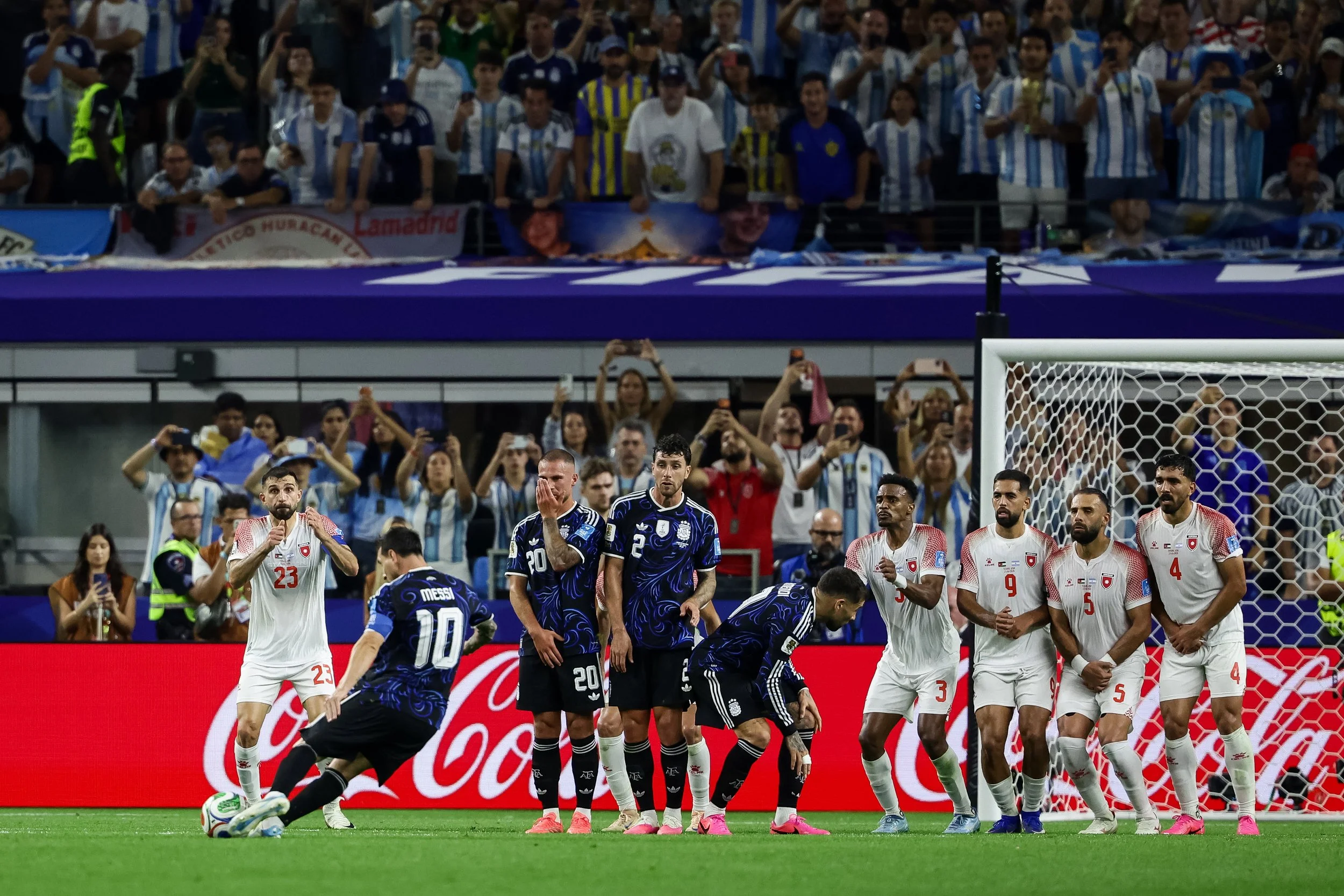
Messi…again. And this time, I wasn’t going to make the same mistake twice.
This match was just fun to photograph.
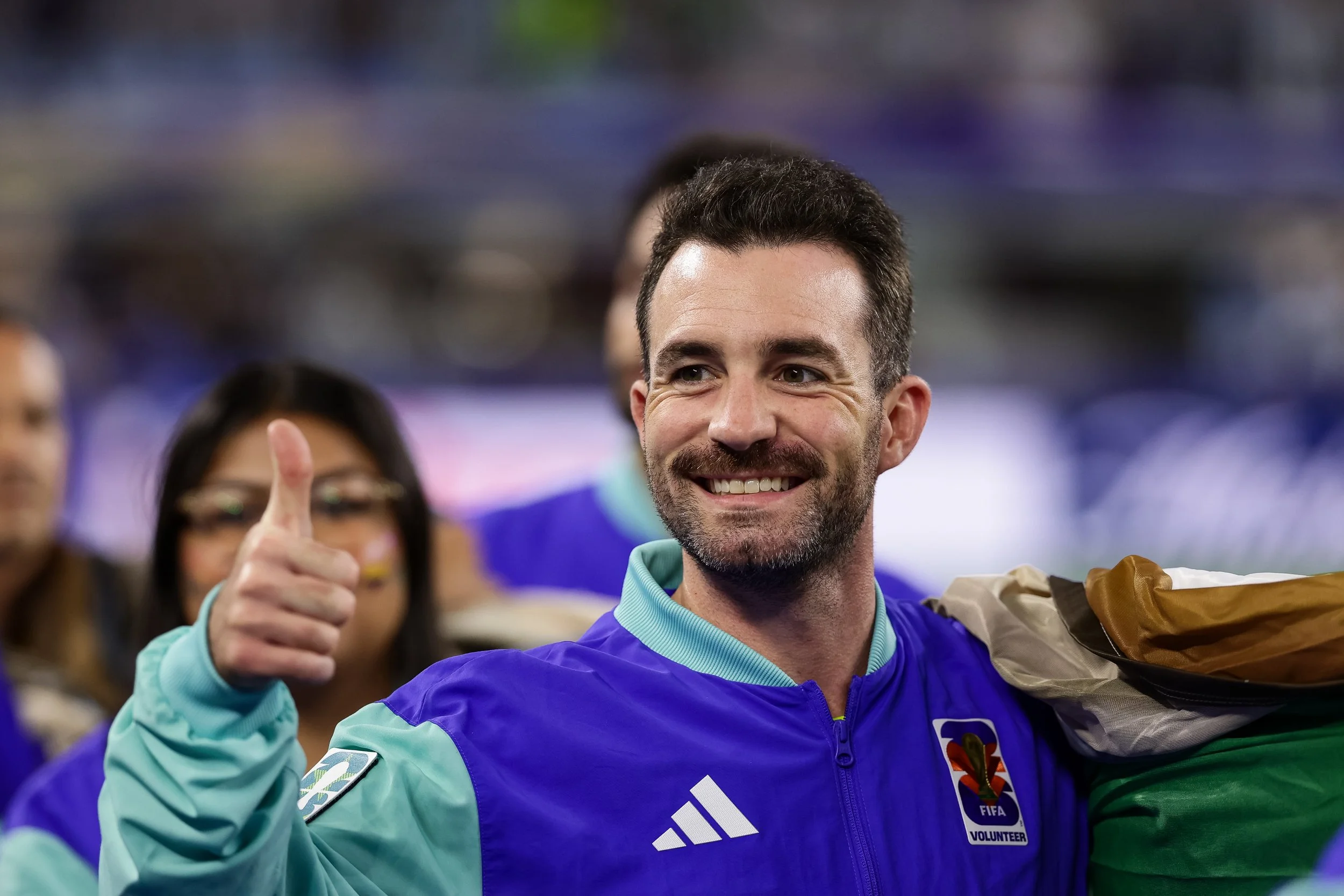
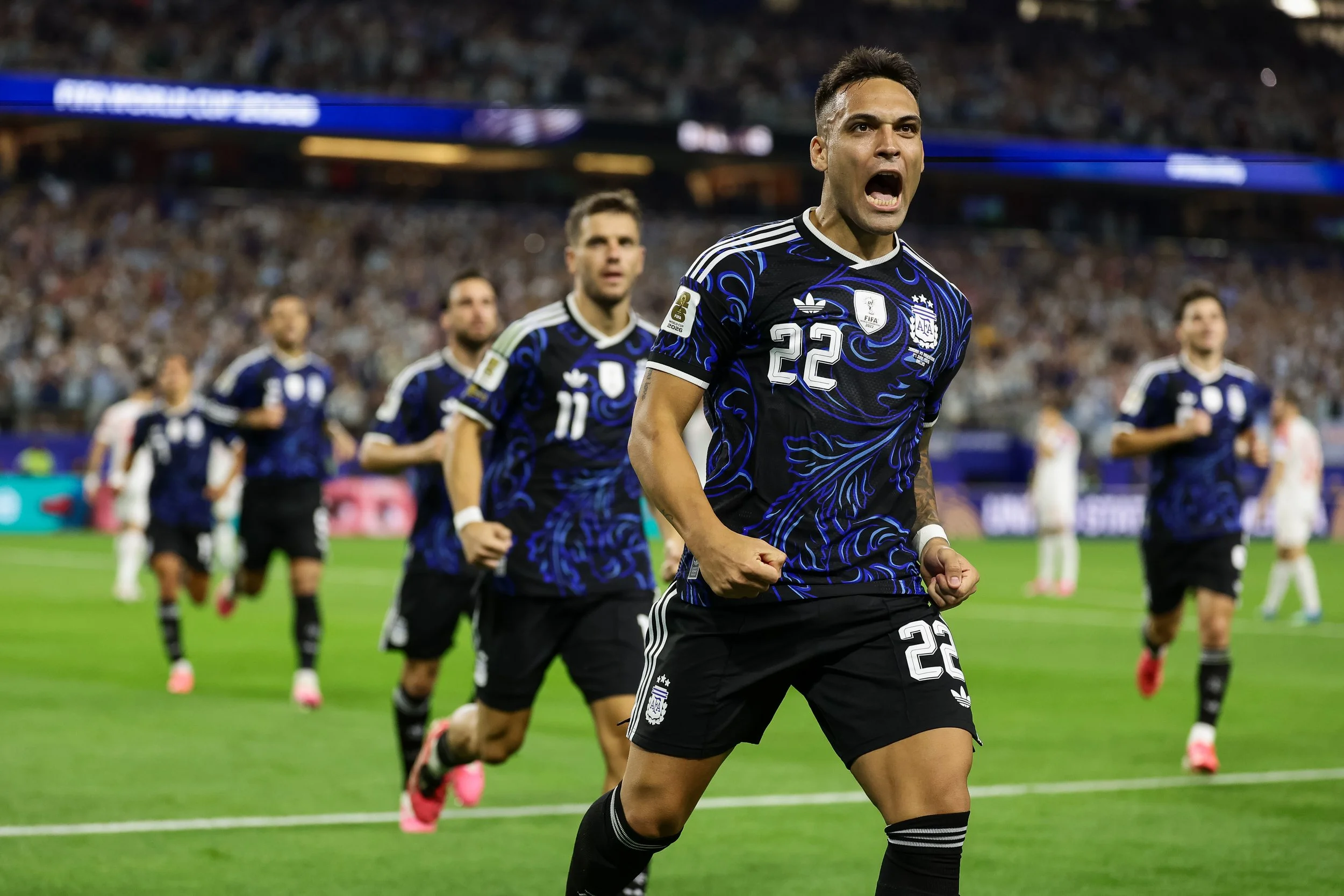
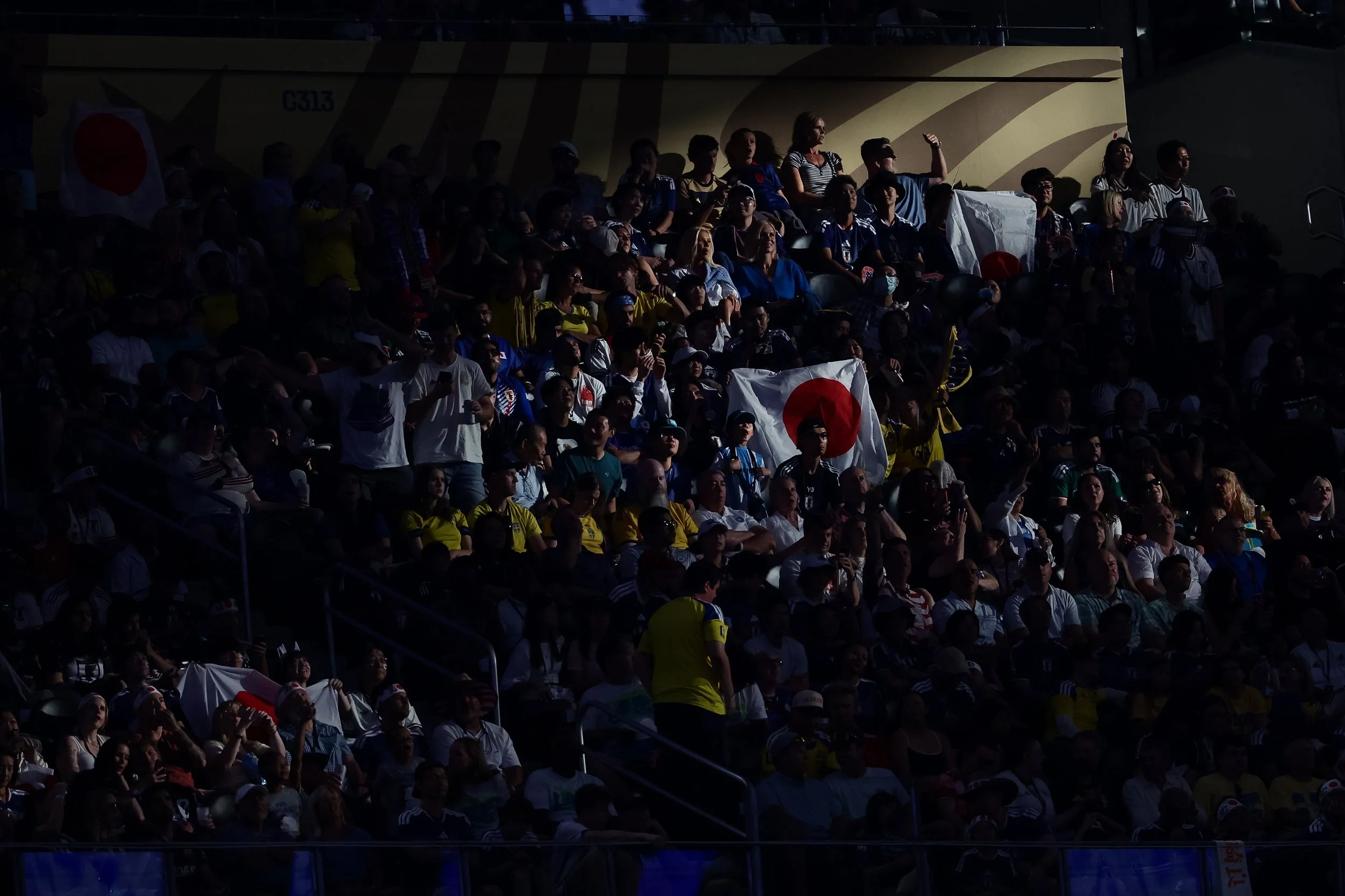
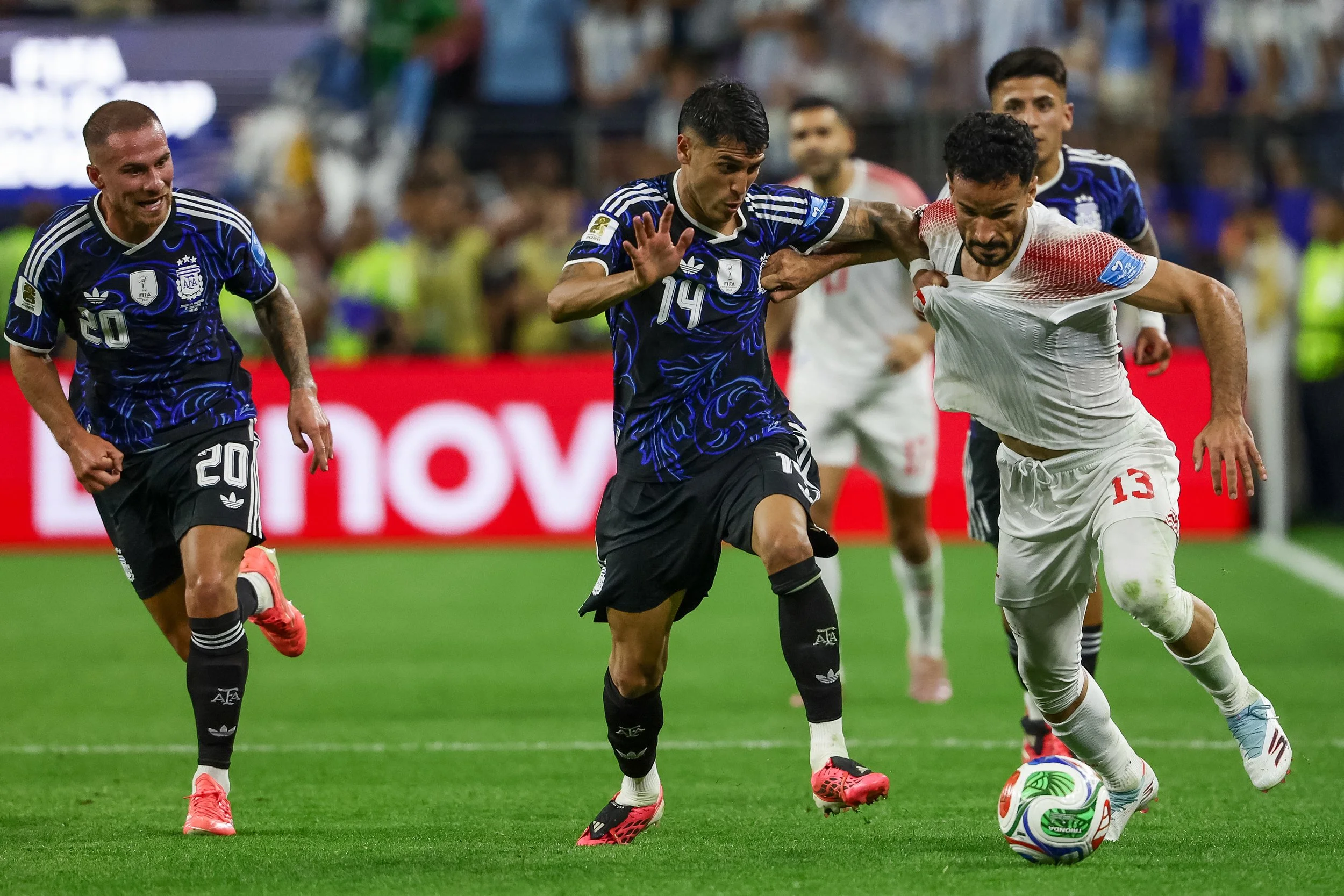
From the sea of photographers lining the field, to the supporters, volunteers, pockets of light around the stadium and the action on the pitch, there always seemed to be something happening.
By this point, I was starting to feel much more comfortable. I wasn’t overthinking every decision the way I had during those first couple of matches. I was seeing things better, reacting faster and enjoying the process more.
And after what happened the first time I photographed Messi, I was definitely more locked in.
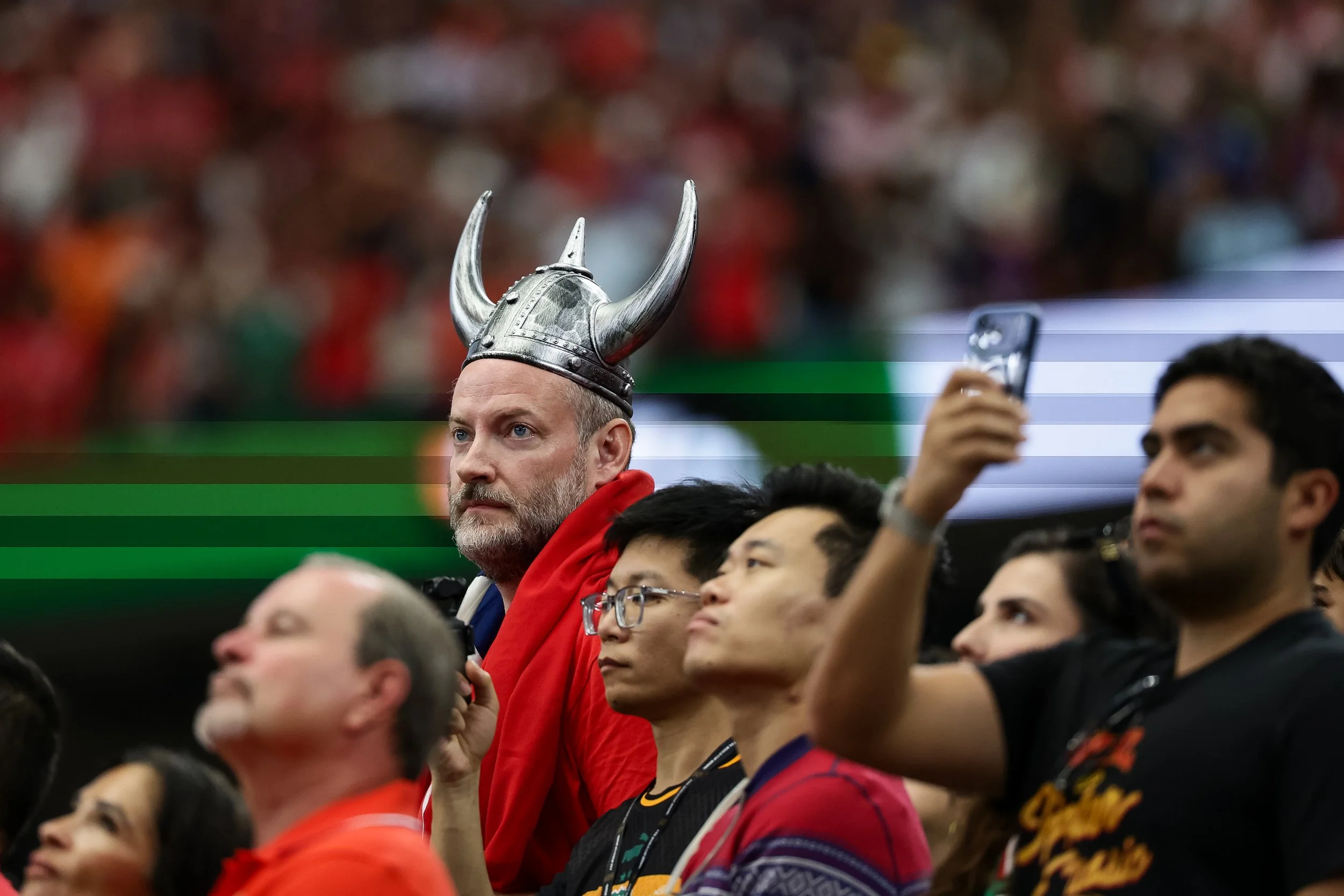
What I remember most from this match, though, wasn’t just the action. It was all of the little moments surrounding it — the expressions in the stands, the people working the event, and the atmosphere that made the World Cup feel so different from anything else I had covered.
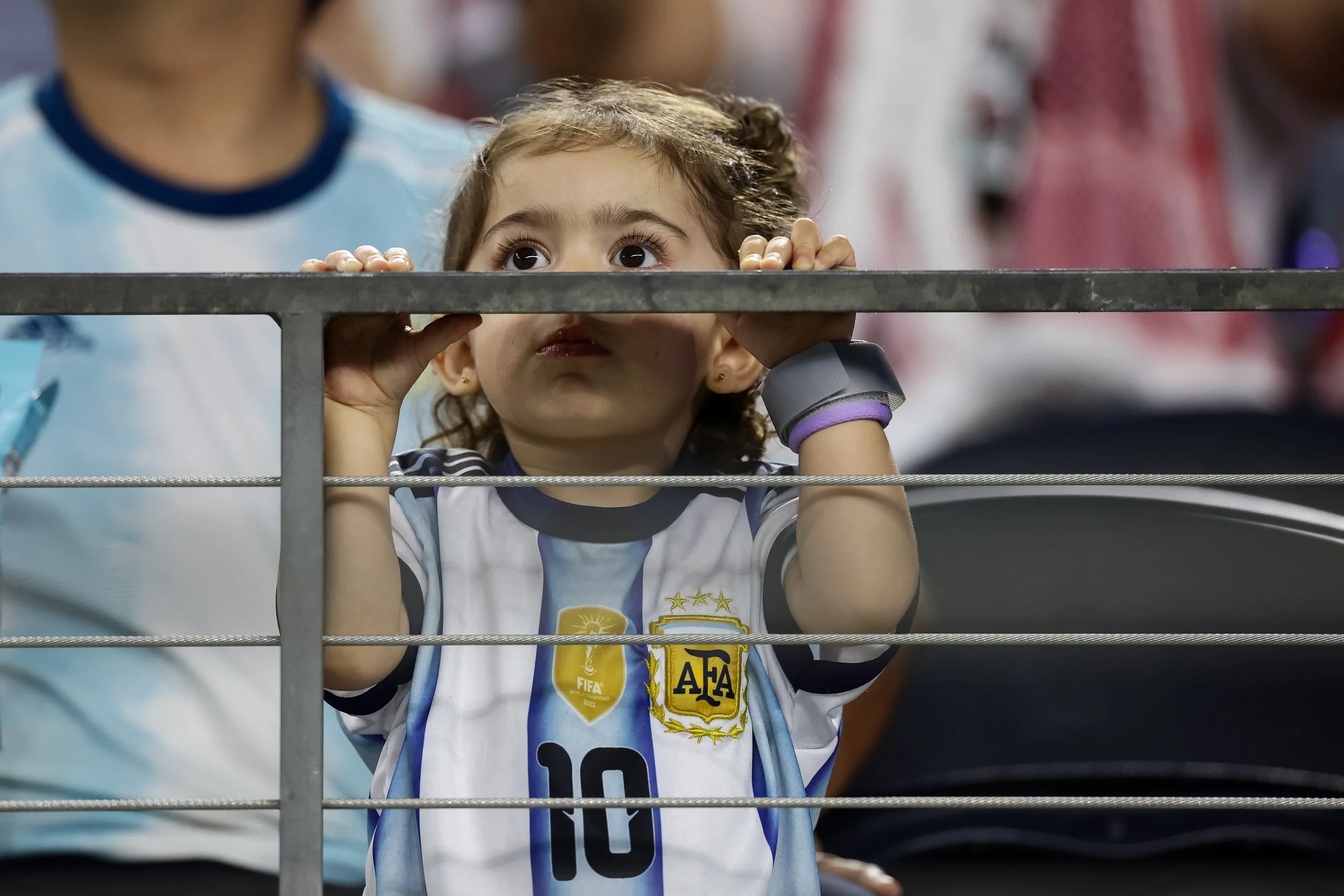
Argentina fan looks on during the match.
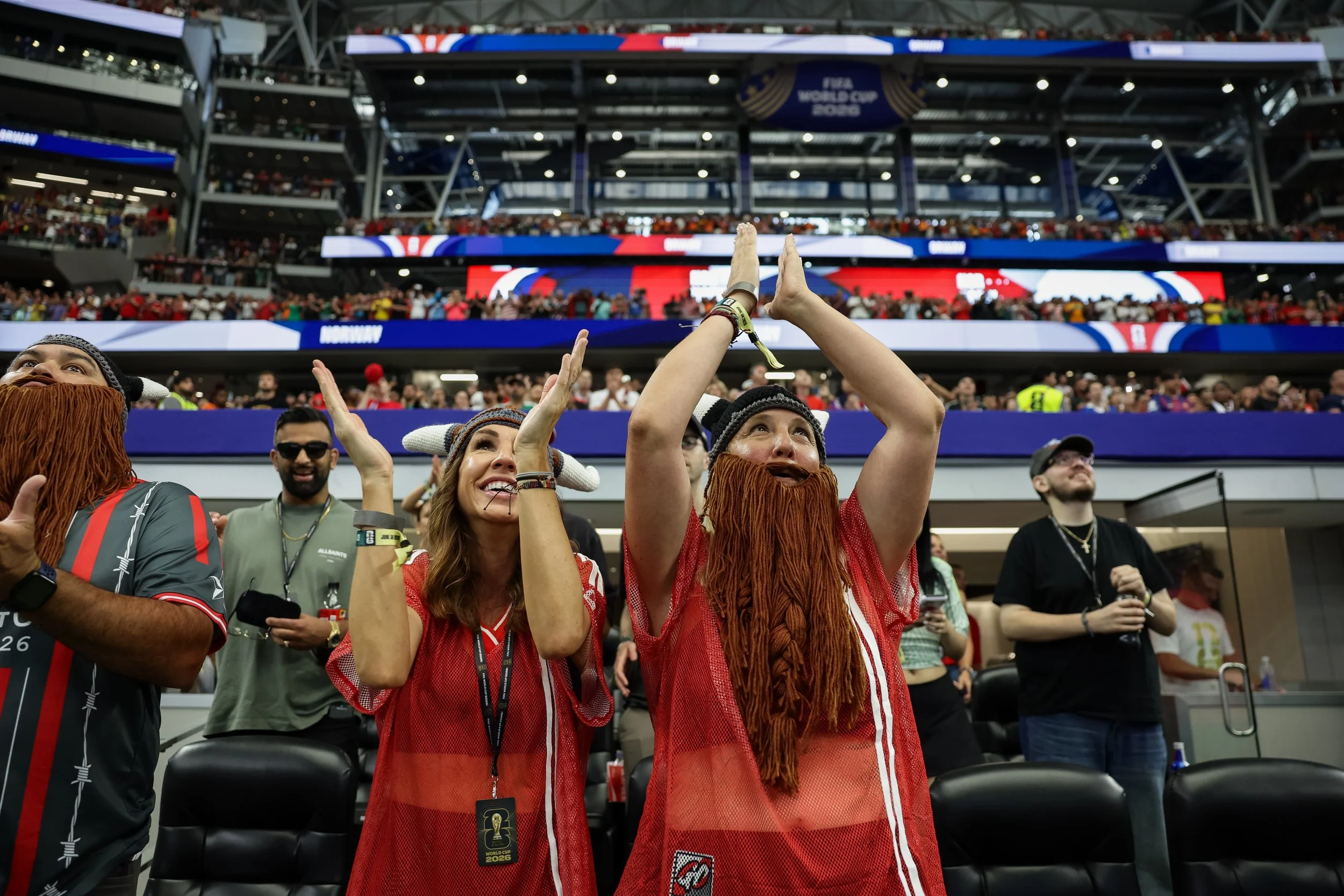
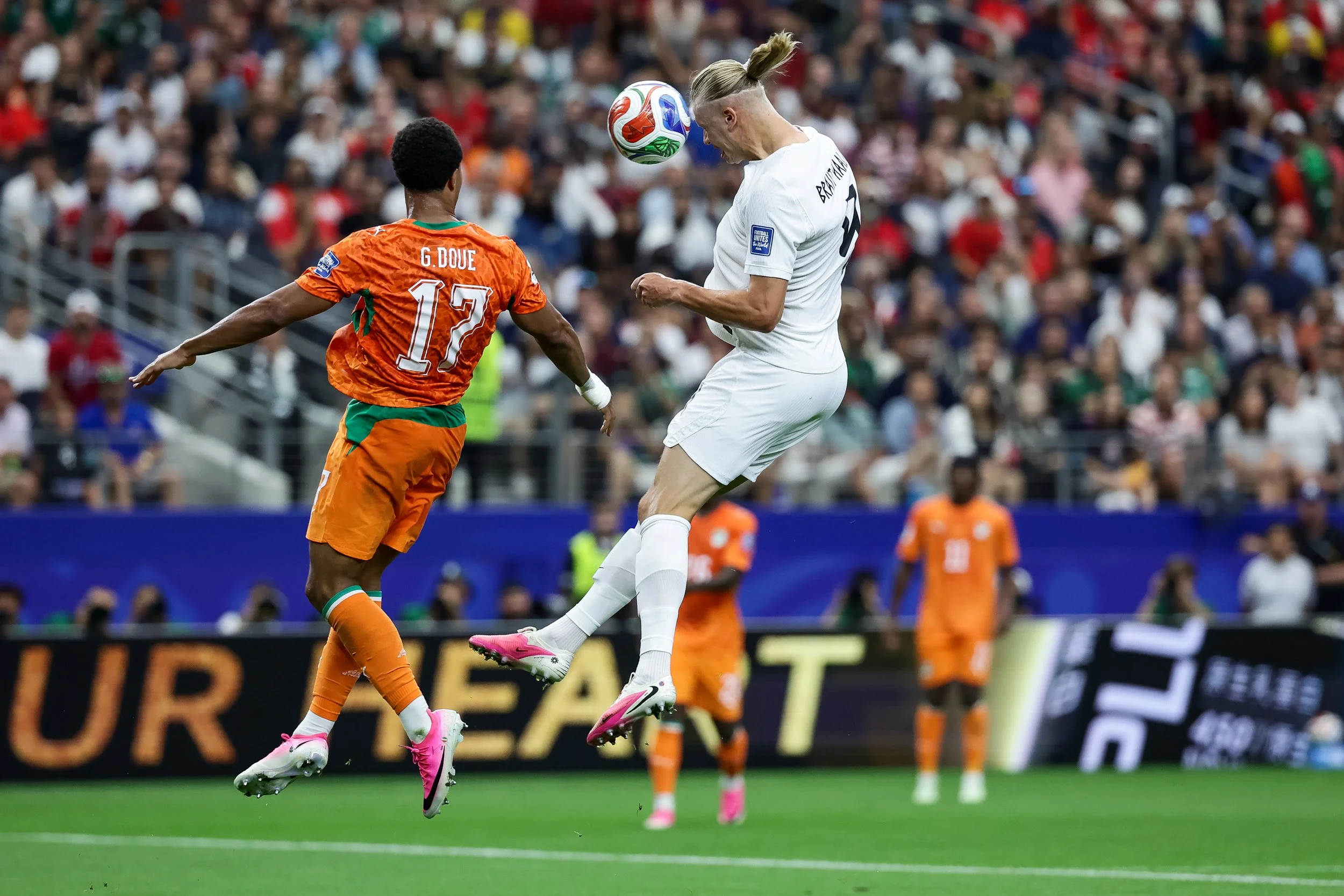
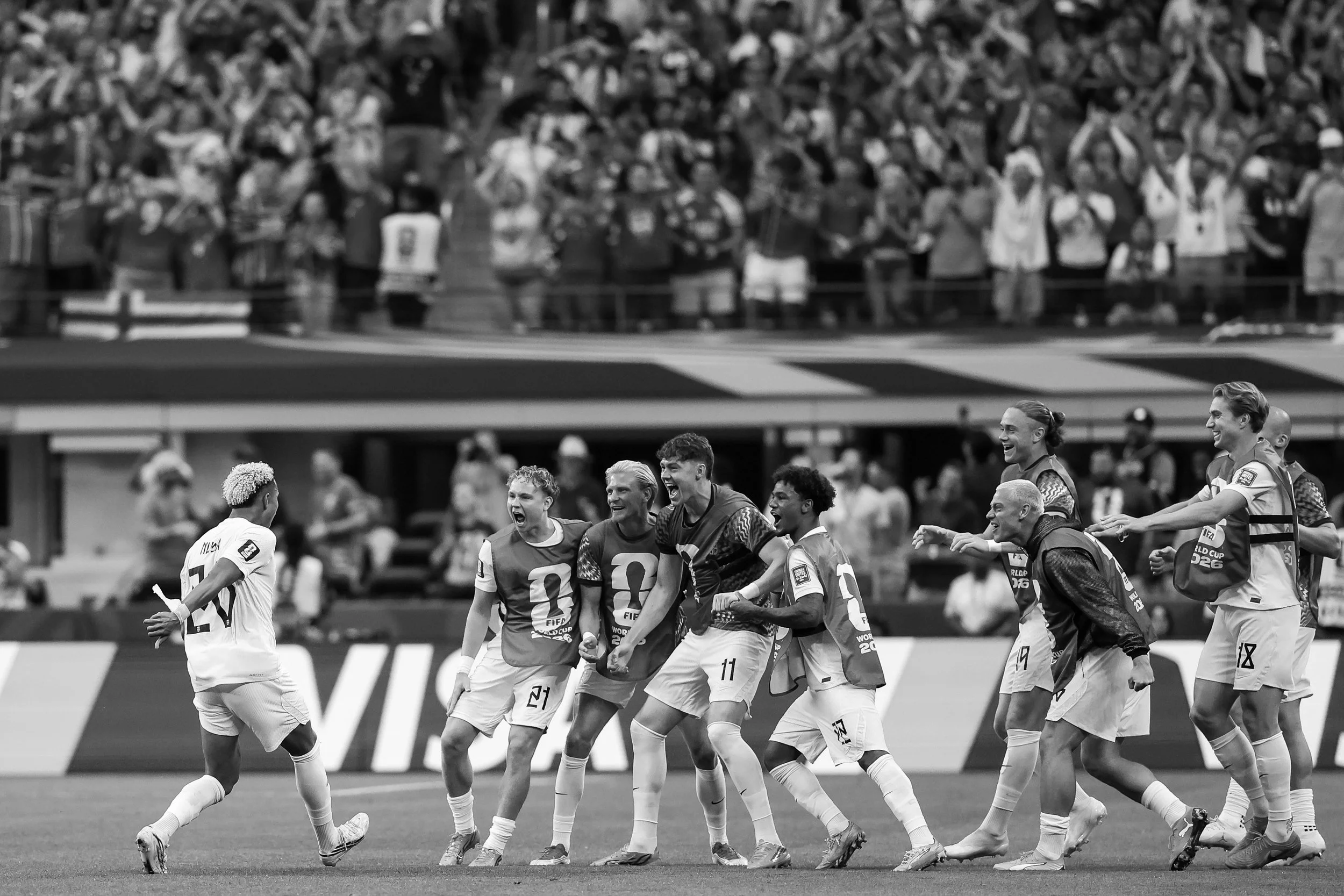
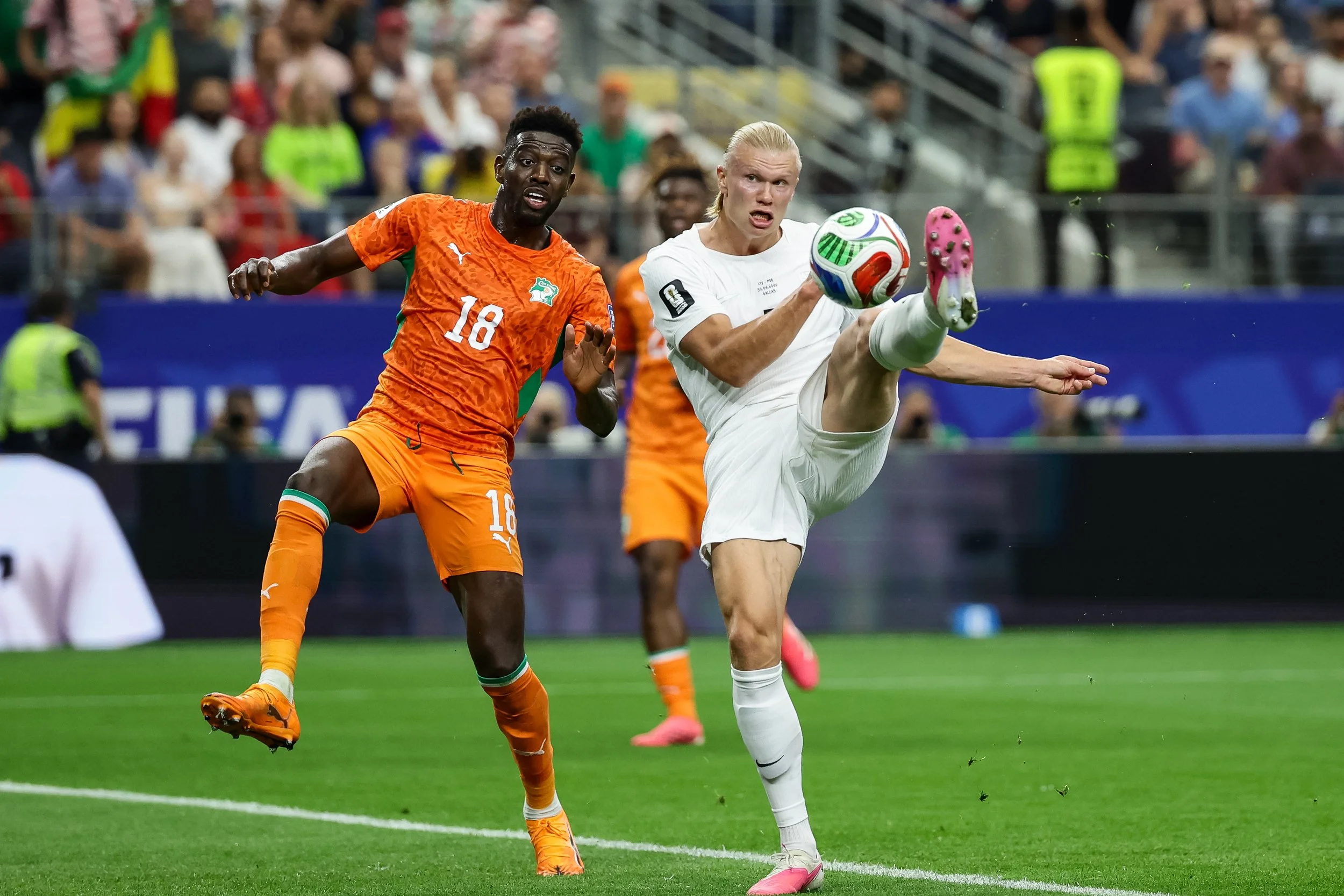
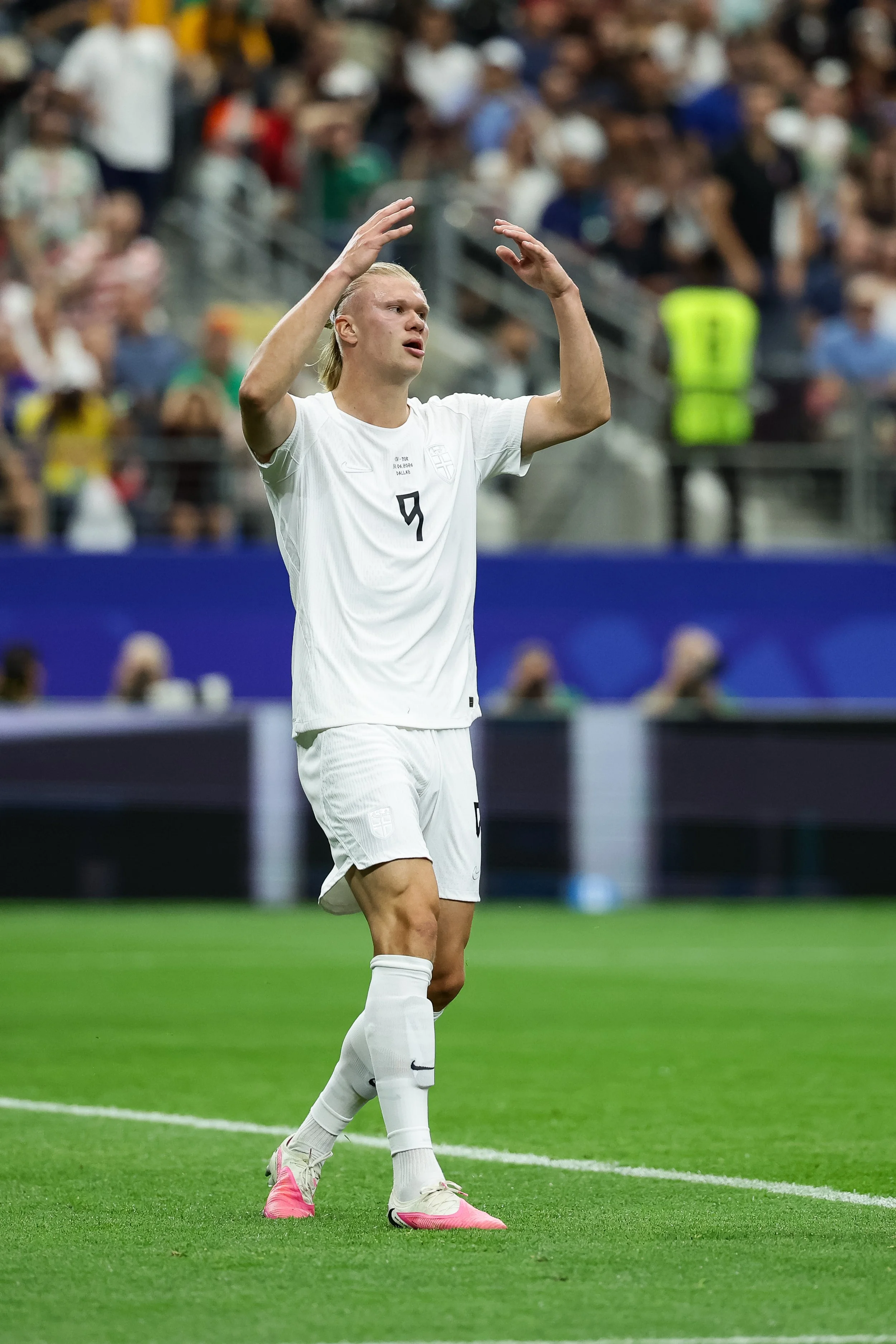
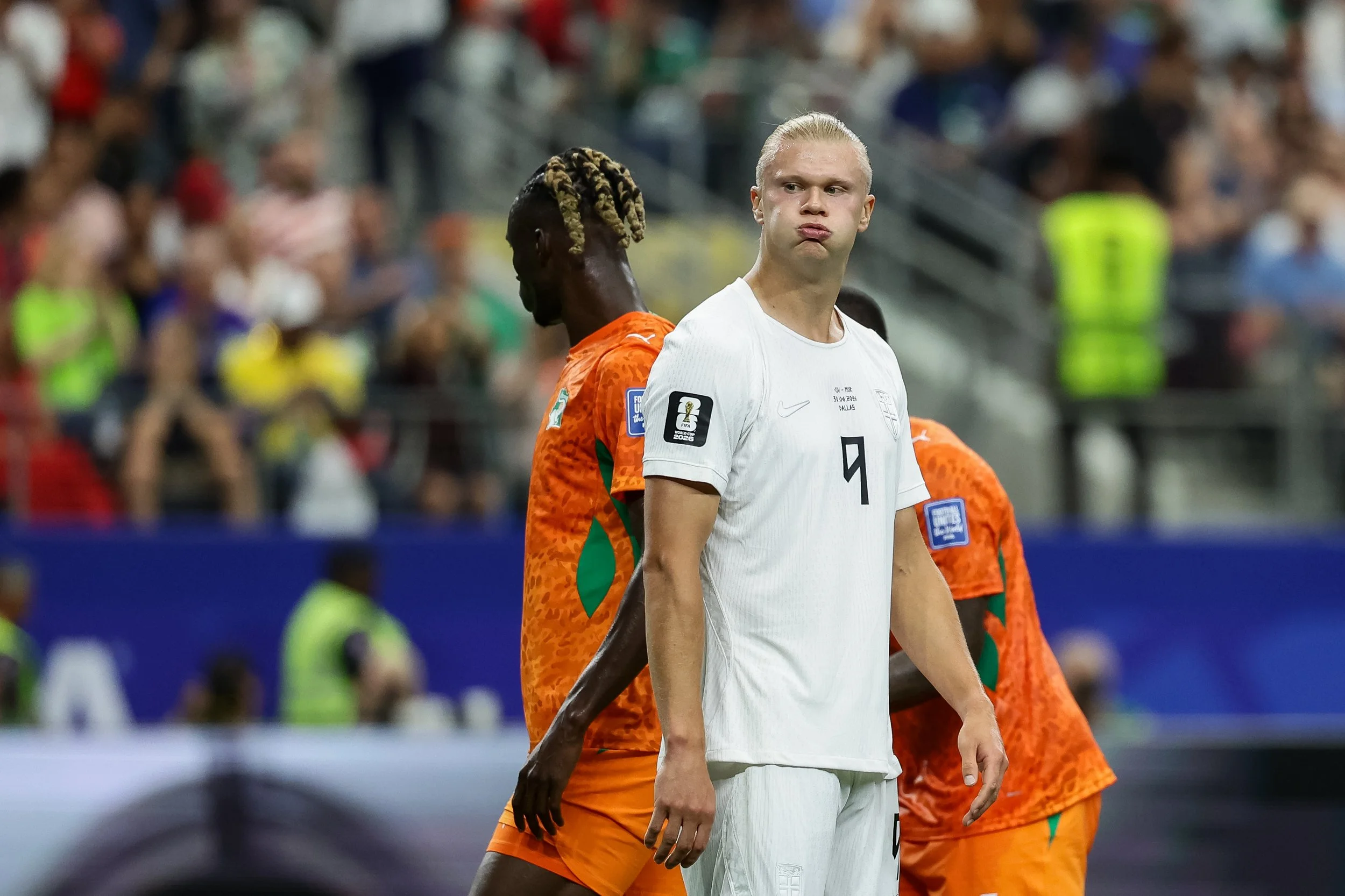
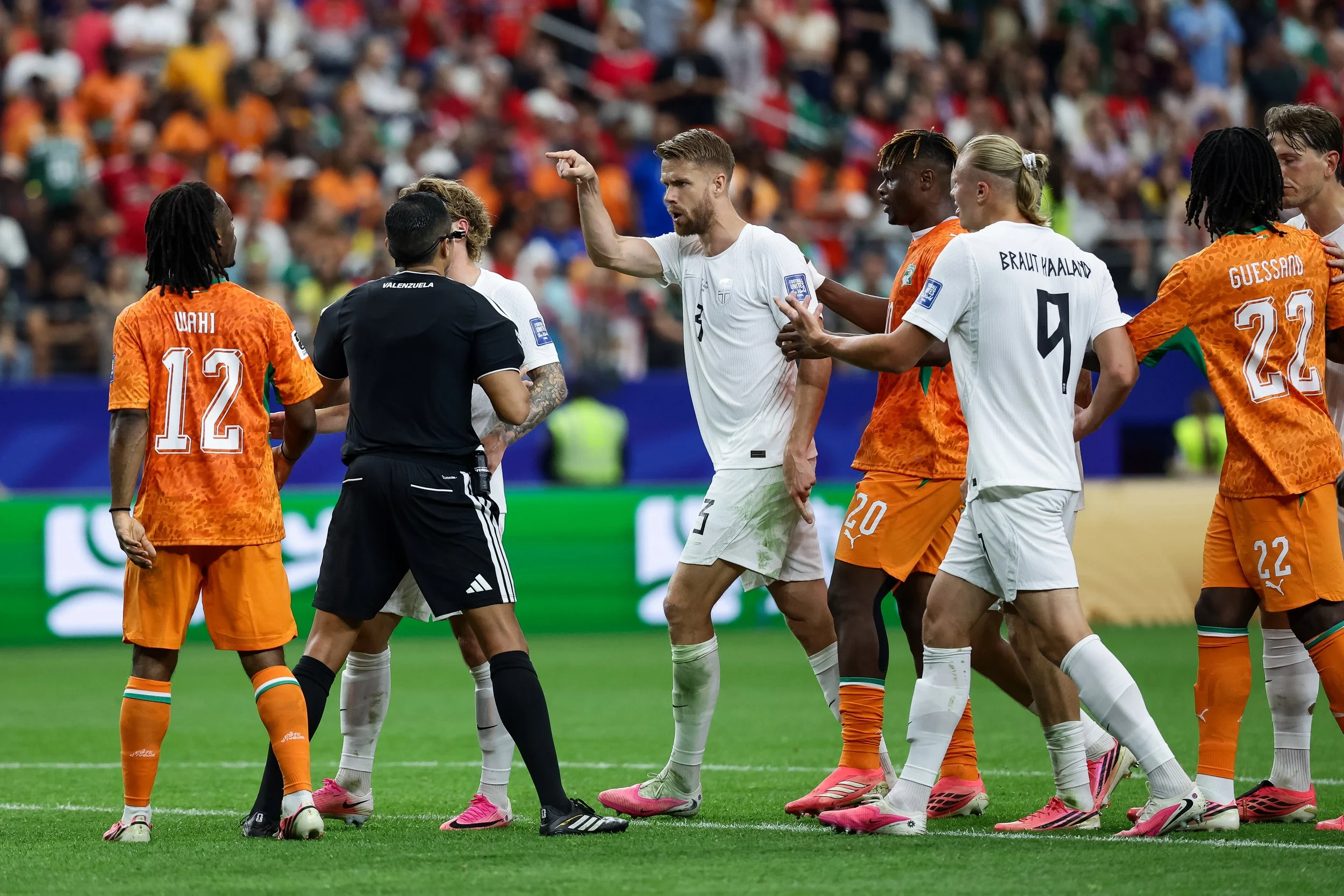
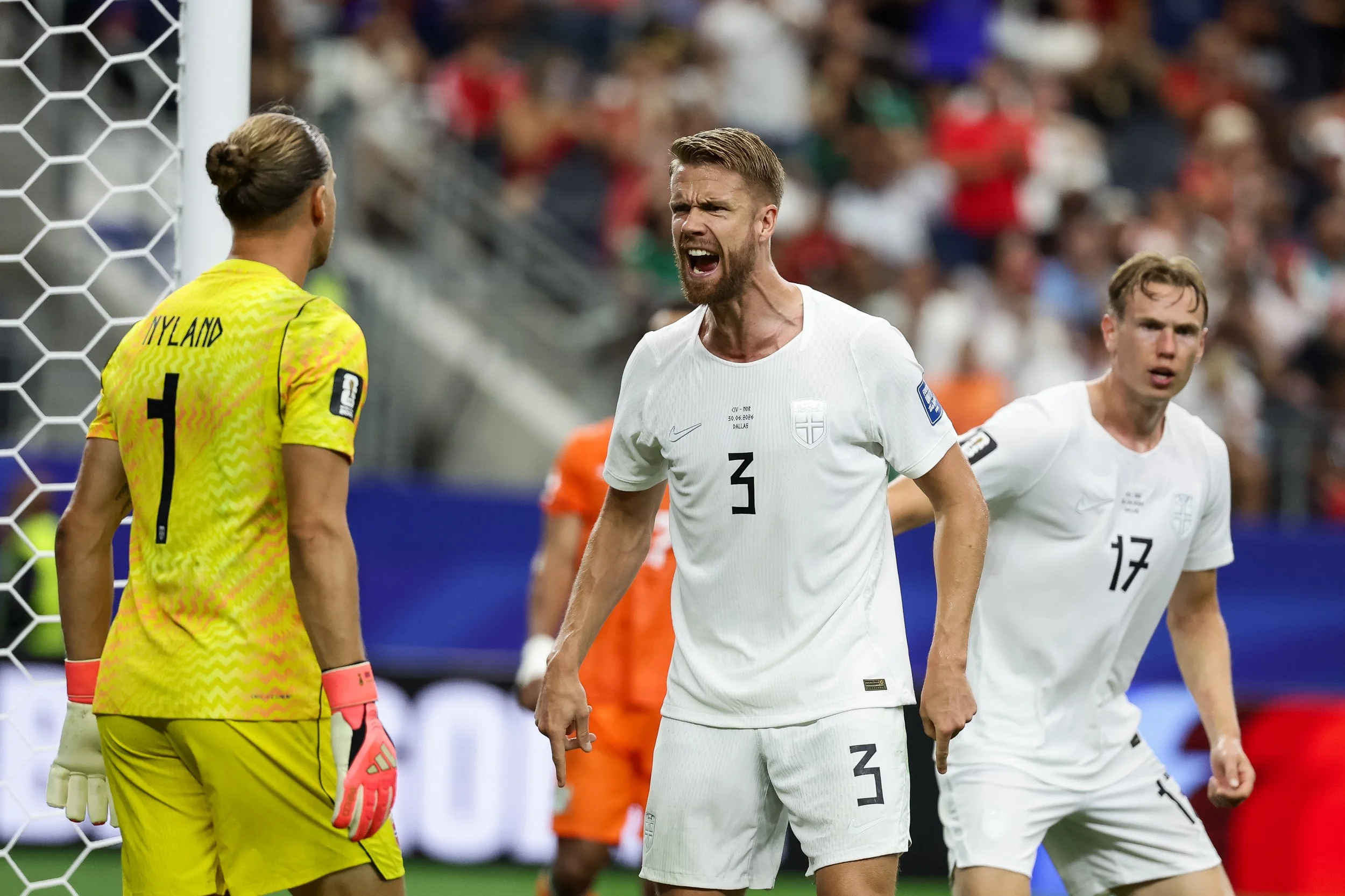
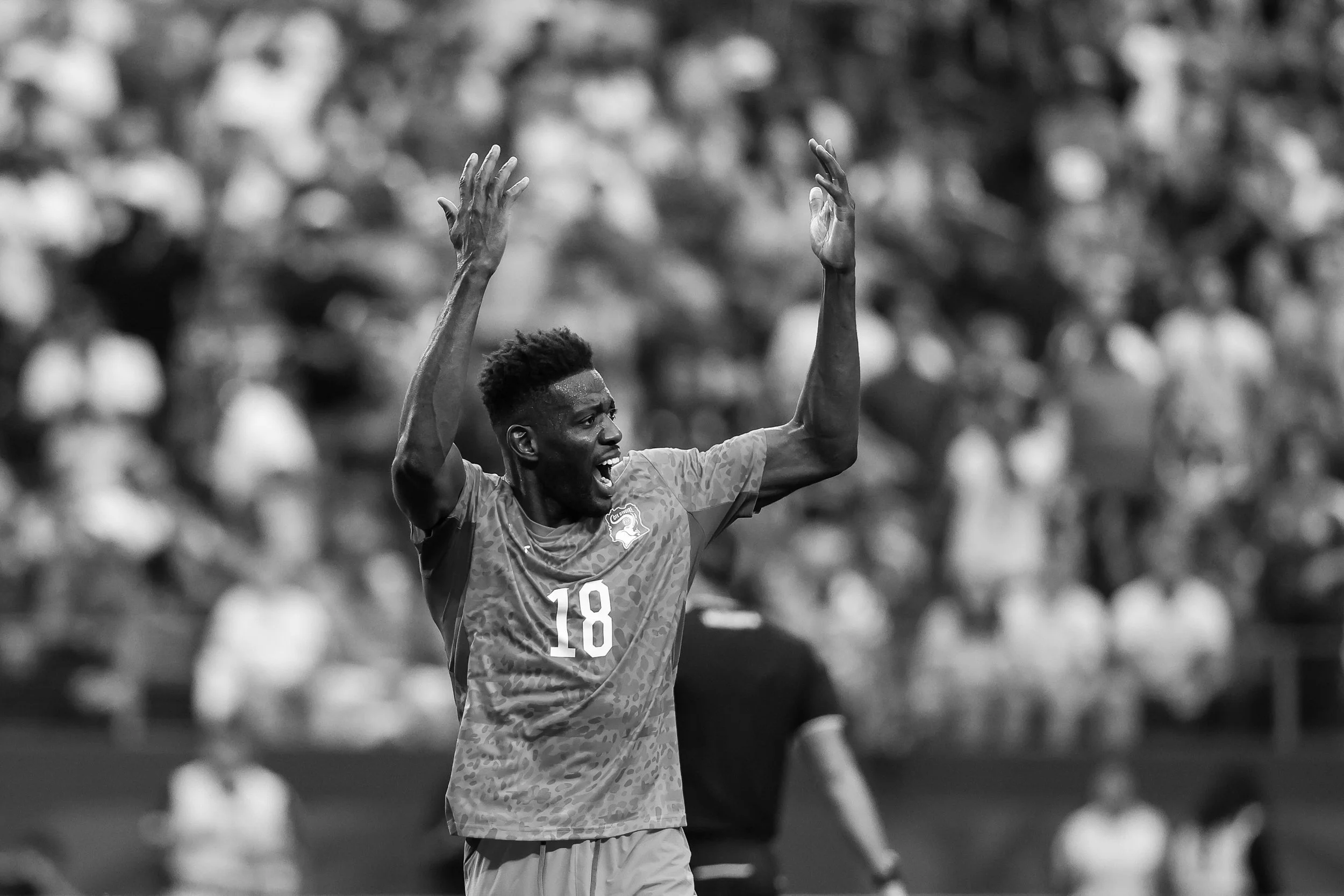
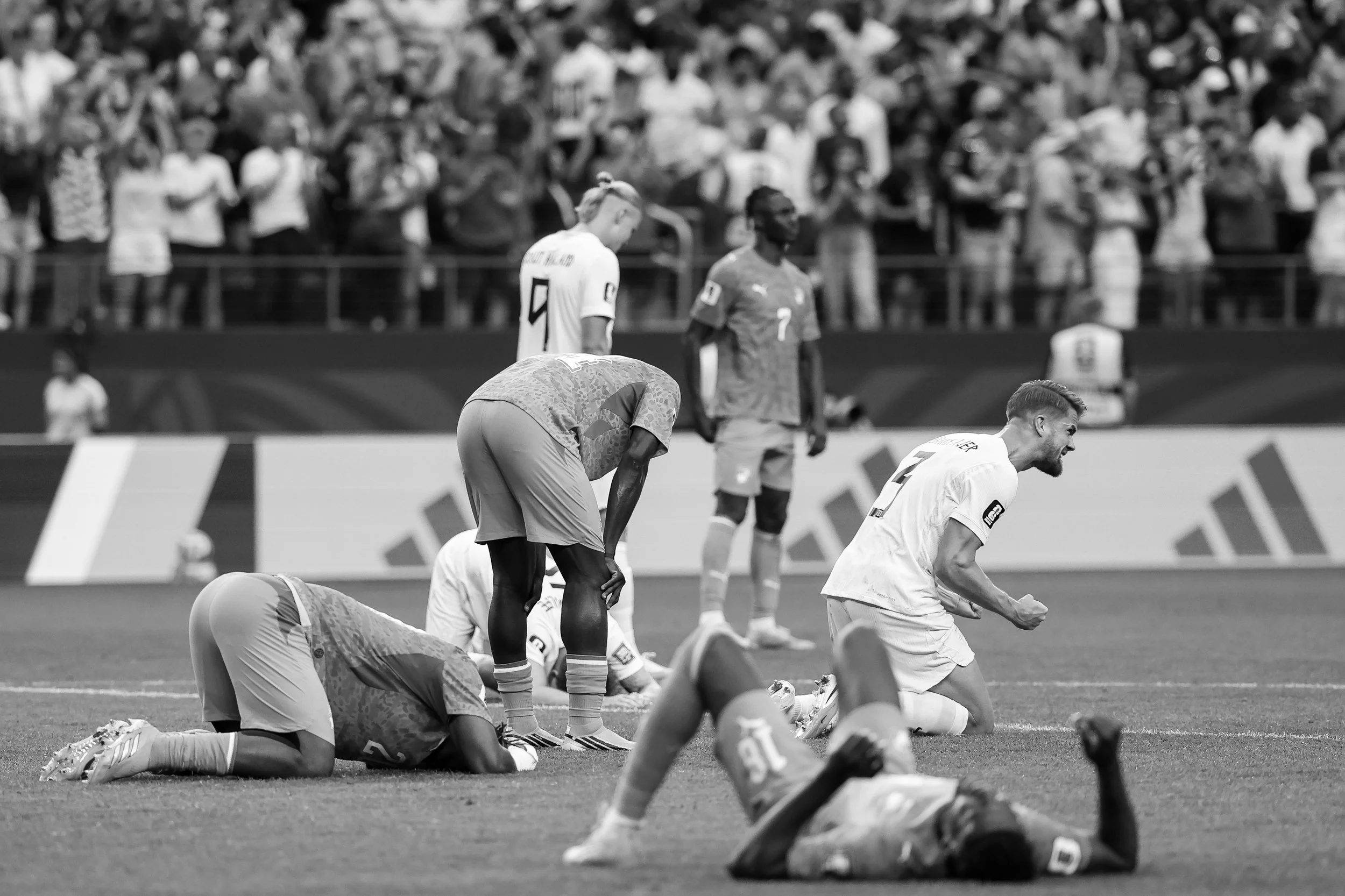
Match 6 - Ivory Coast vs Norway | June 30
By this point in my World Cup coverage, I already felt incredibly lucky with the teams and players I had been able to photograph.
This match added another one to the list — Erling Haaland.
But the image I remember most from this match wasn’t of one of the biggest stars in the world.
It ended up being my favorite photograph I made during the entire tournament.
After an Ivory Coast goal, the celebration came toward me and I decided to take a chance. Instead of freezing the moment with a fast shutter speed, I slowed it down and tried to create some motion and energy in the frame.
It was a risk. With a celebration happening that quickly, you don’t get many opportunities to make it work.
This time, it paid off.
The movement, emotion and chaos of the celebration all came together in a way that felt different from the rest of my images from the World Cup.
And when I look back at the thousands of frames I made over those nine matches, this is still the one that stands out most to me.
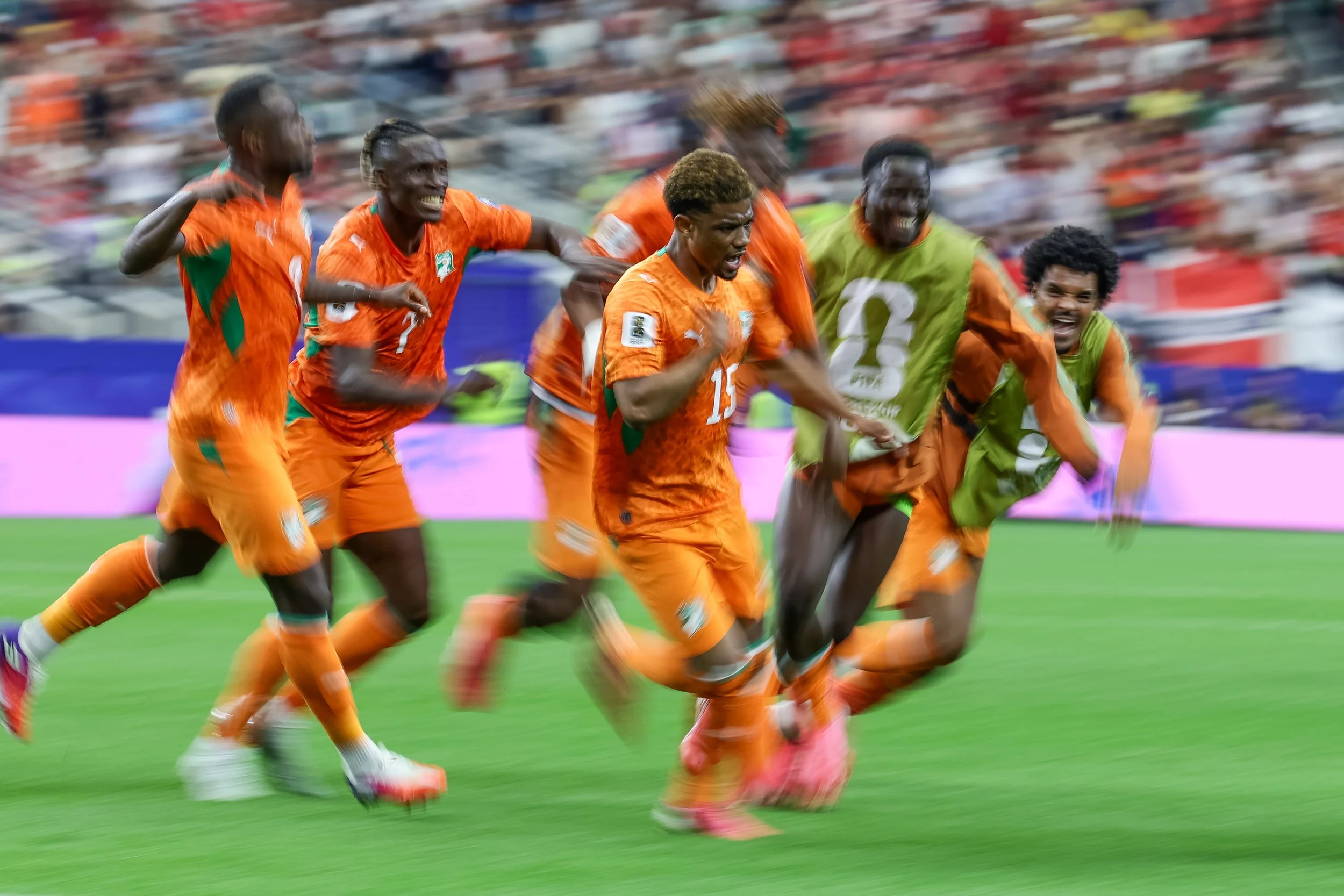
Ivory Coast celebrate a goal versus Norway.
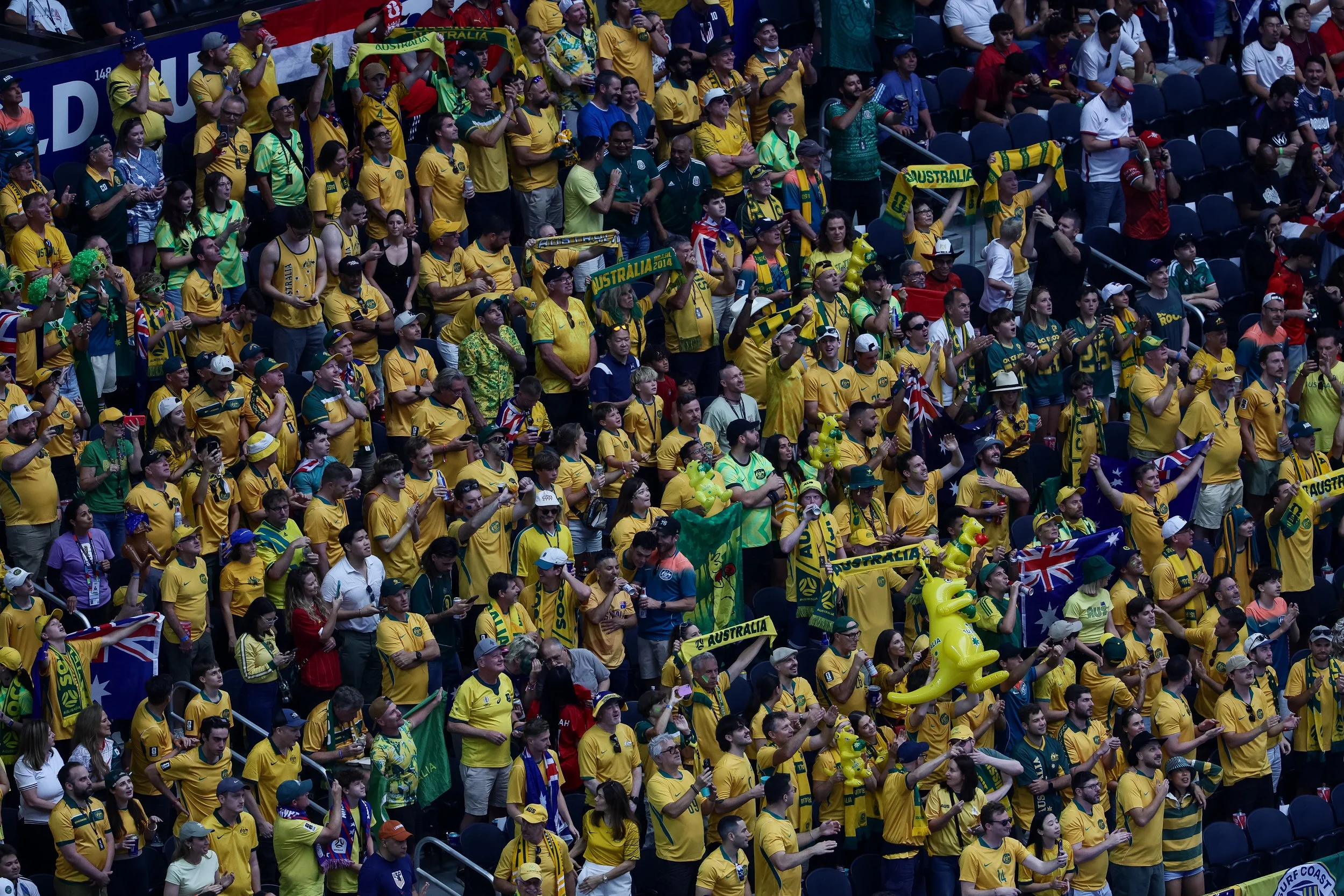
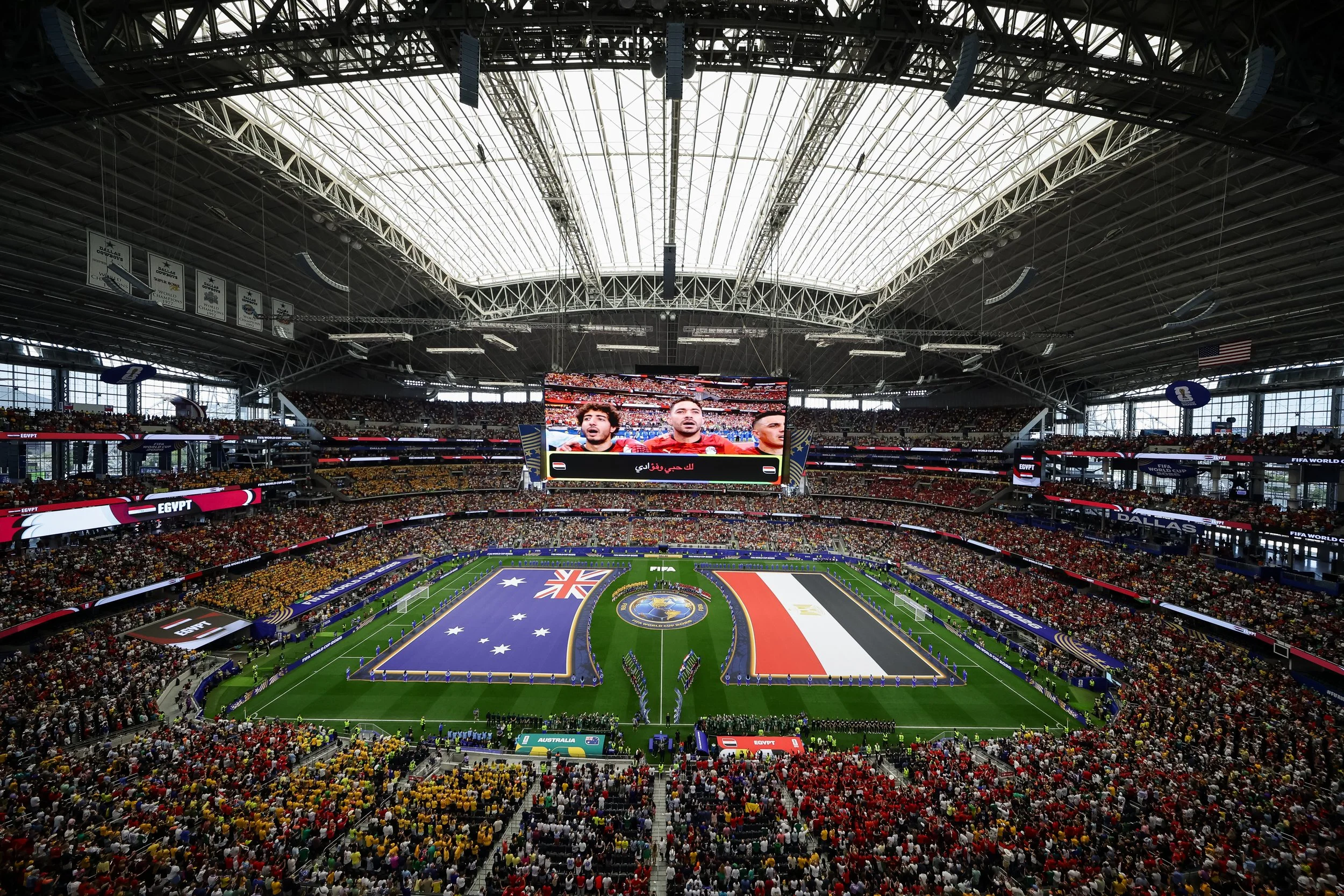
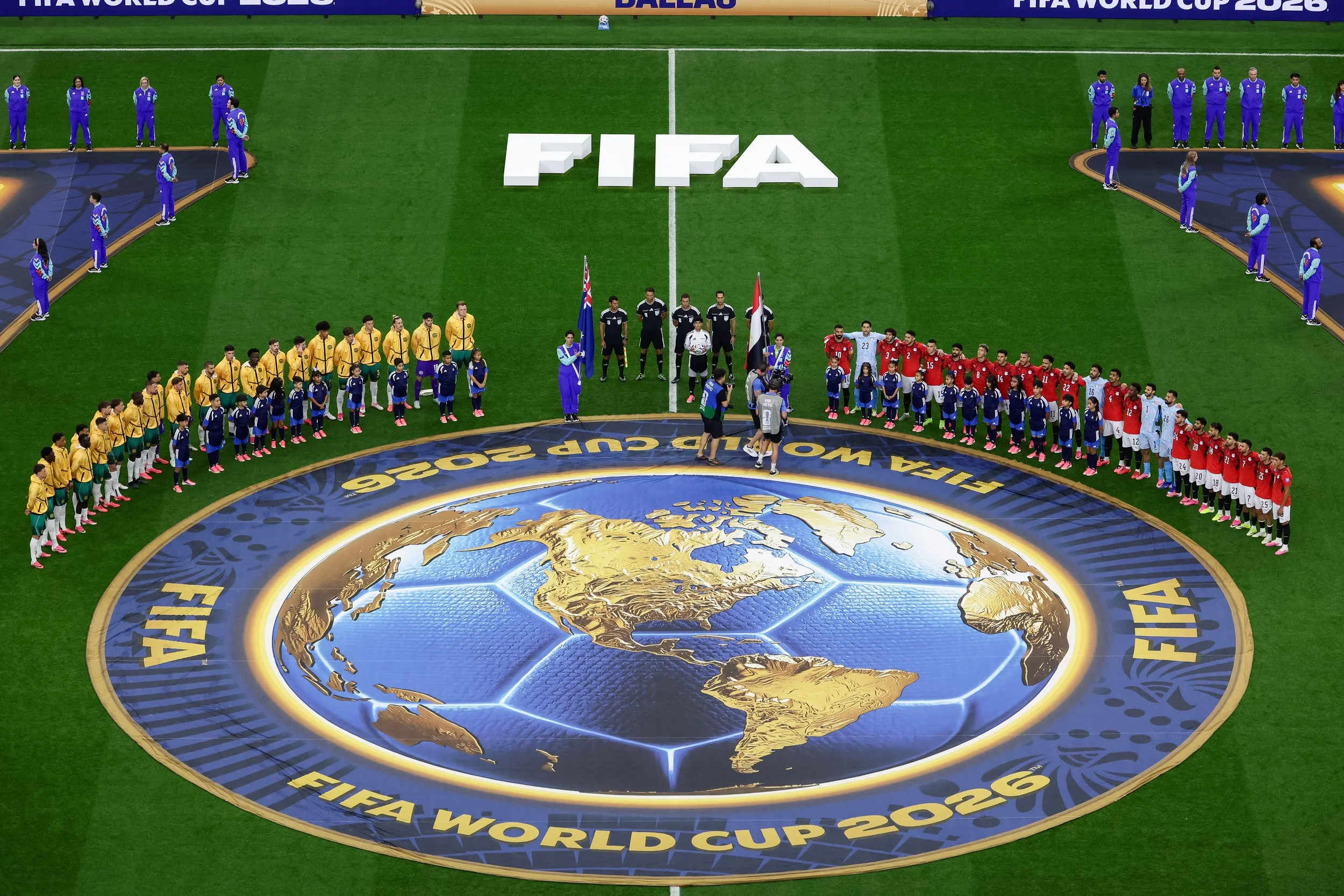
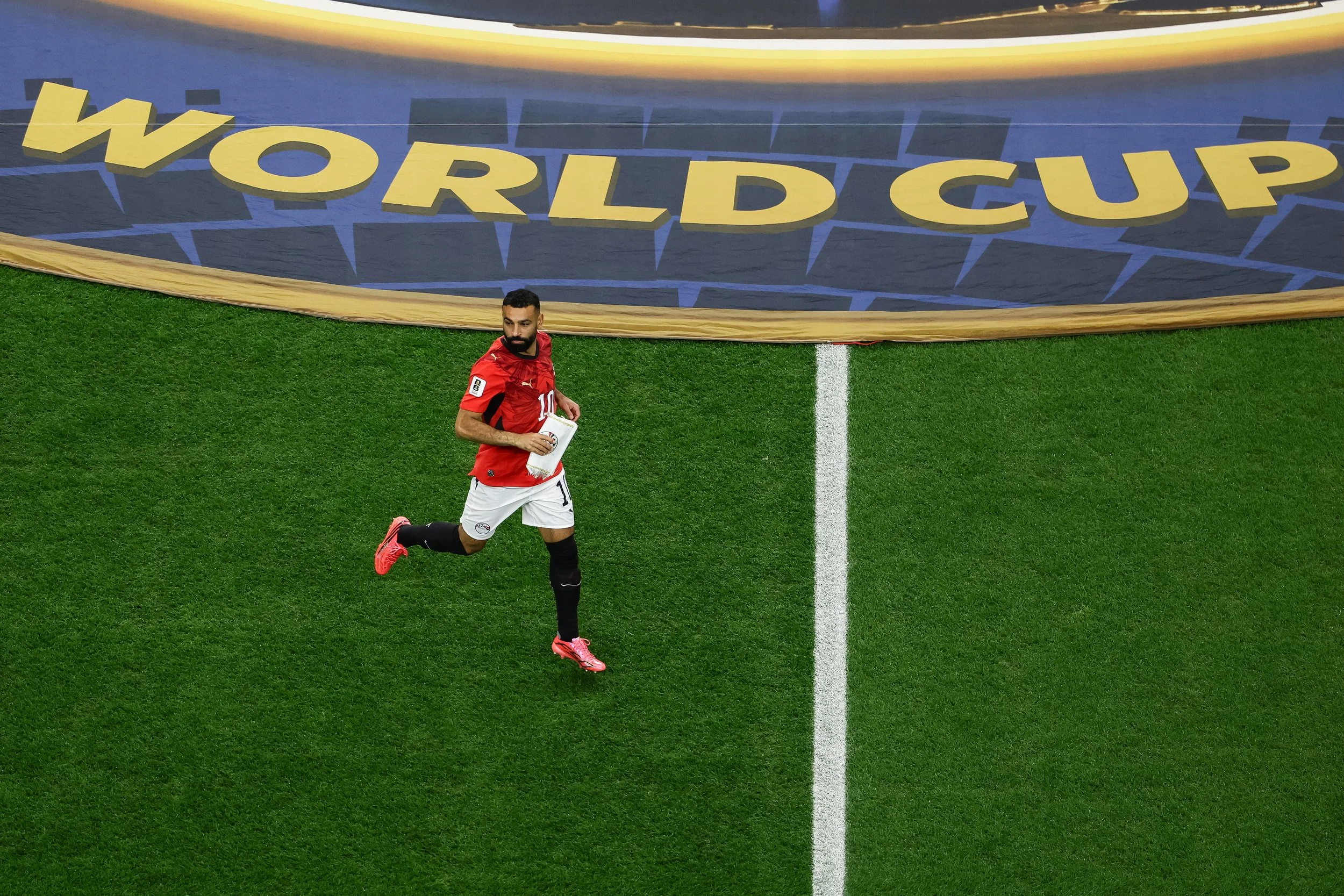
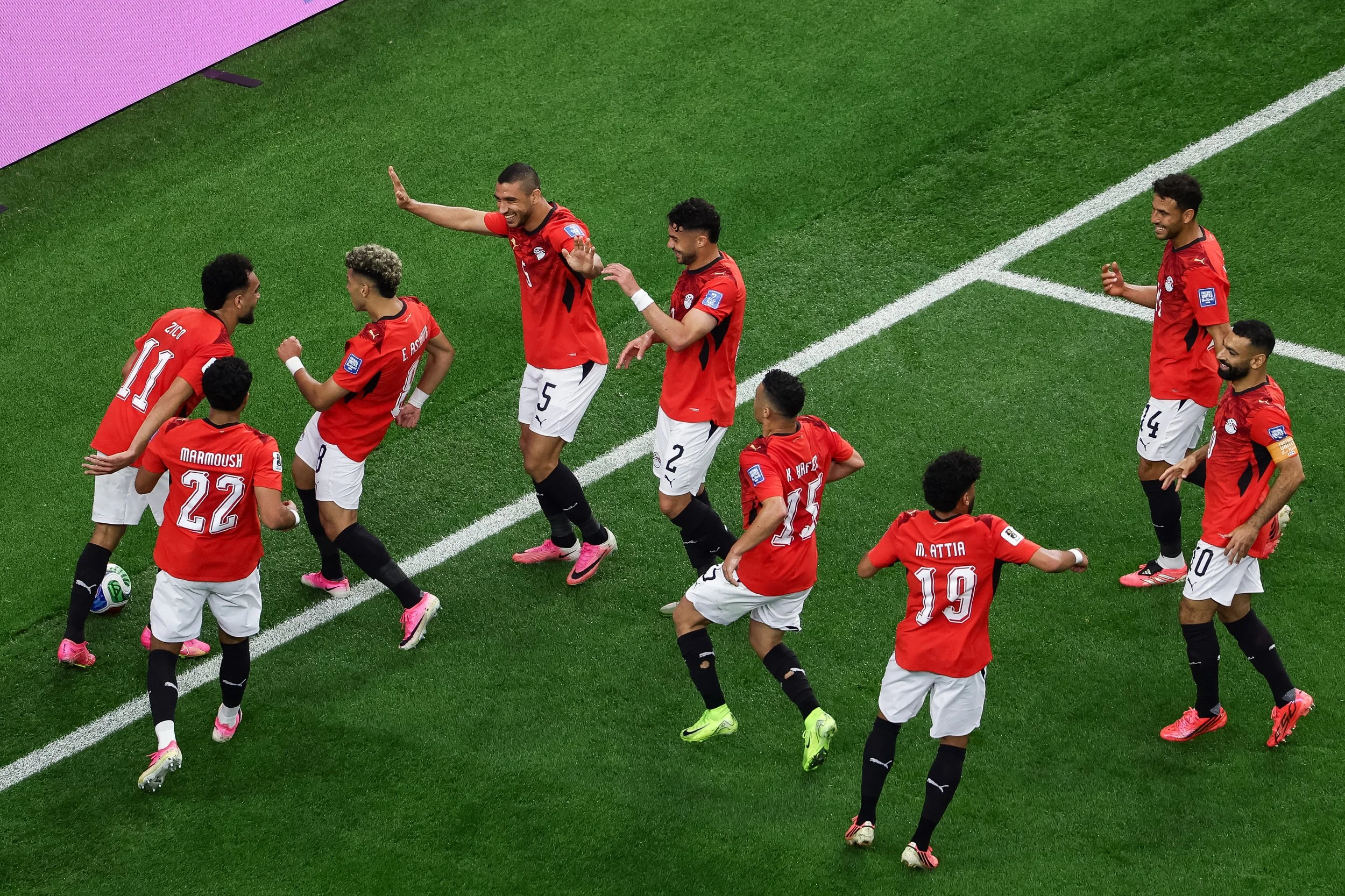
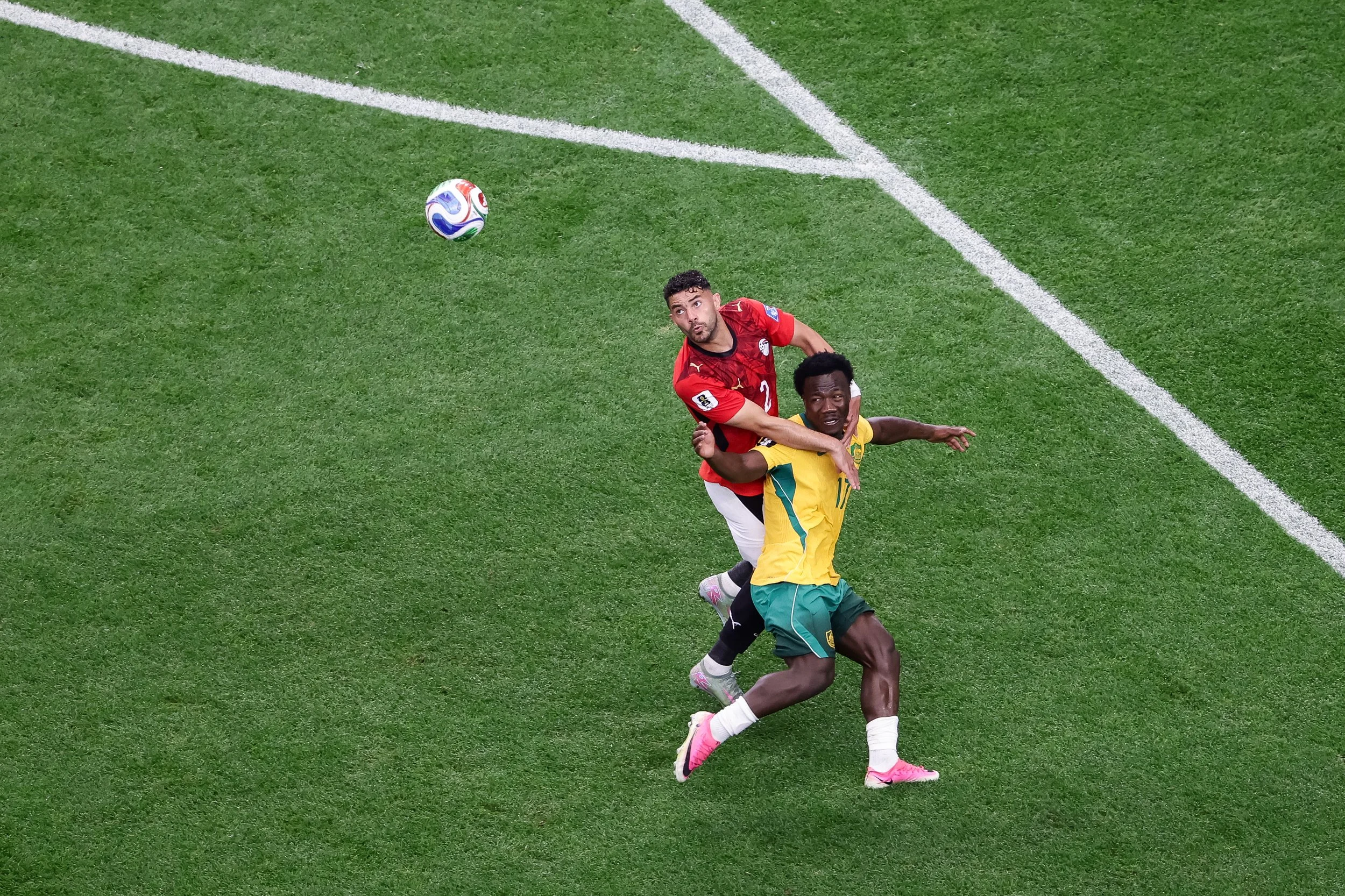
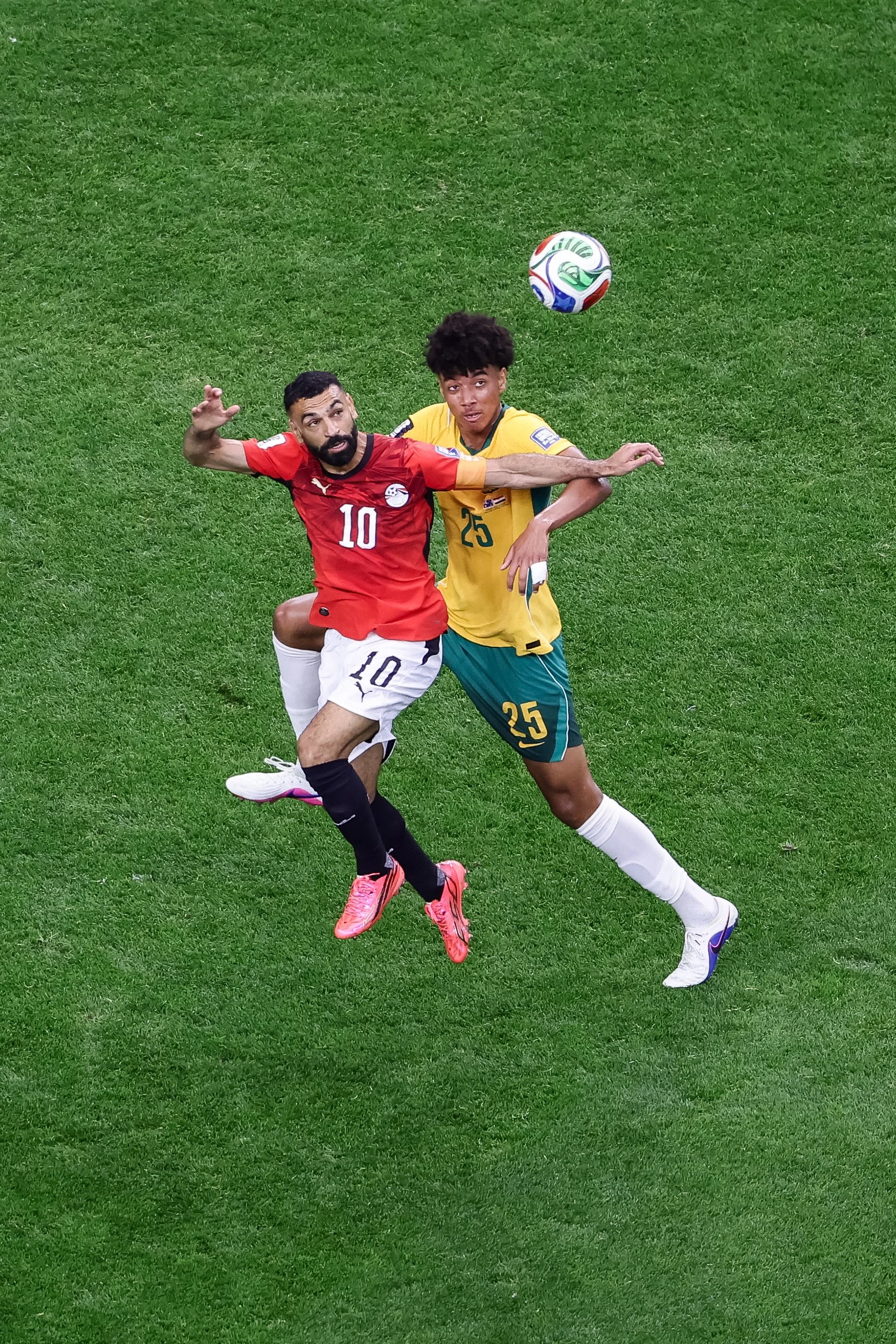
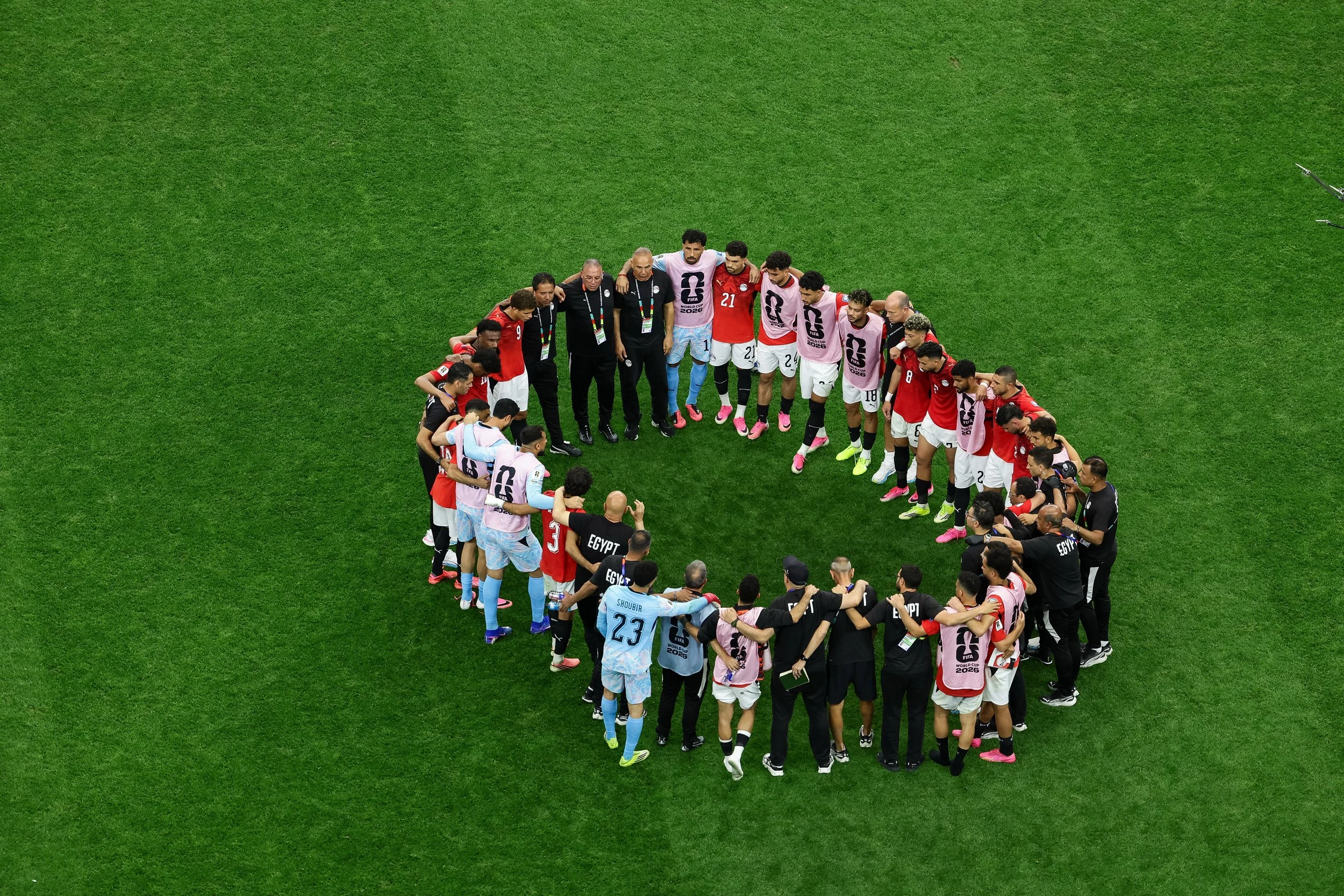
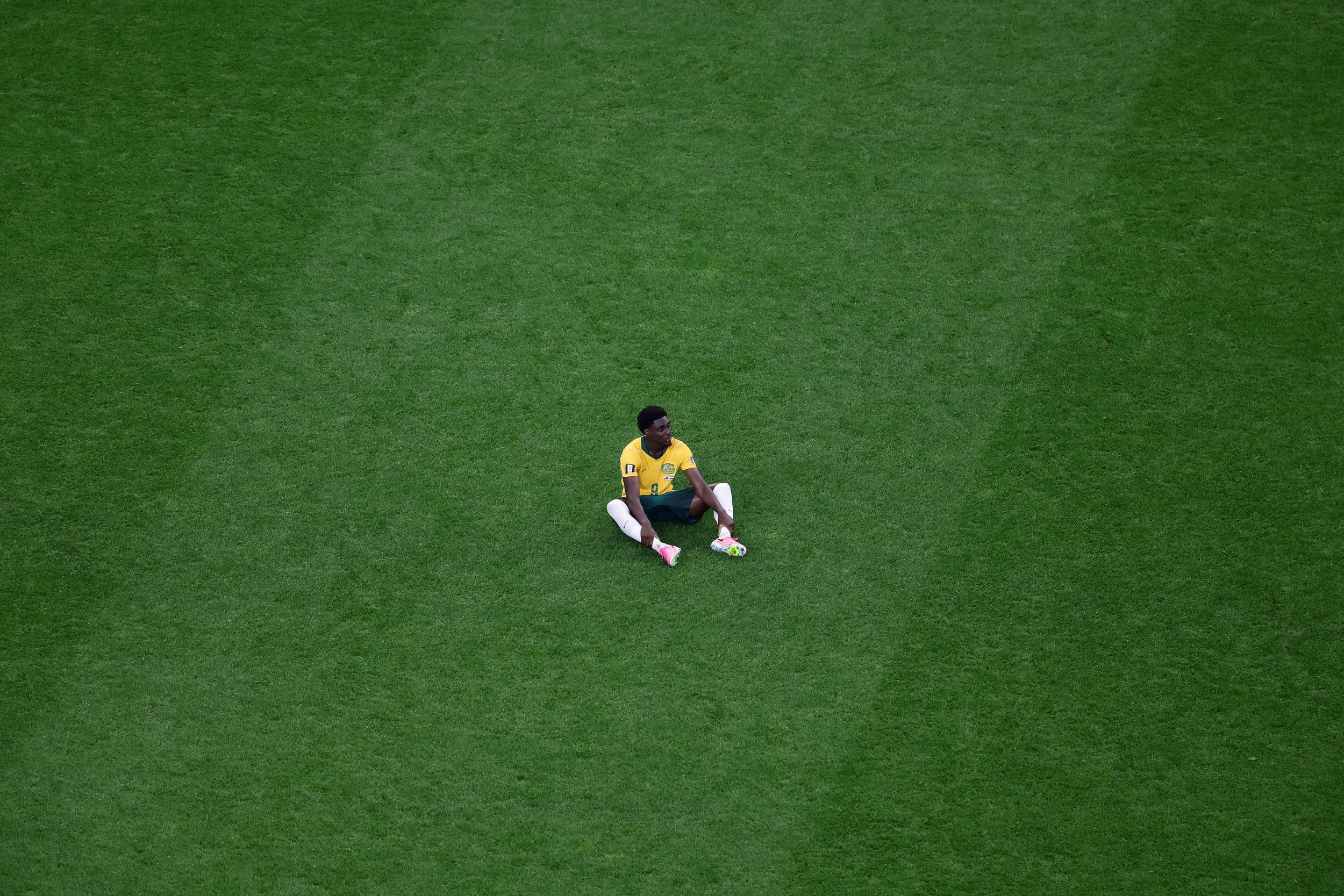
Match 7 - Australia vs Egypt | July 3
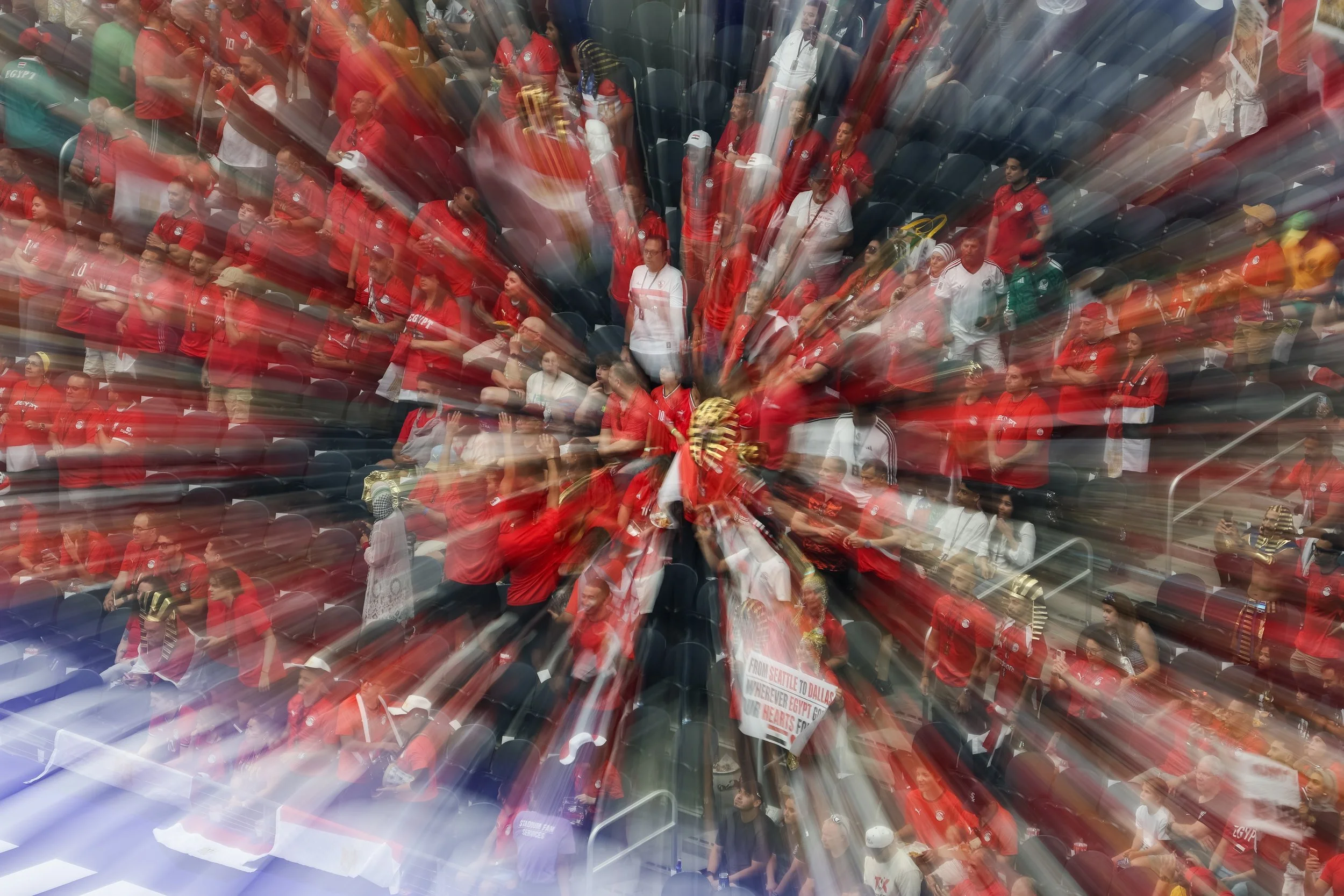
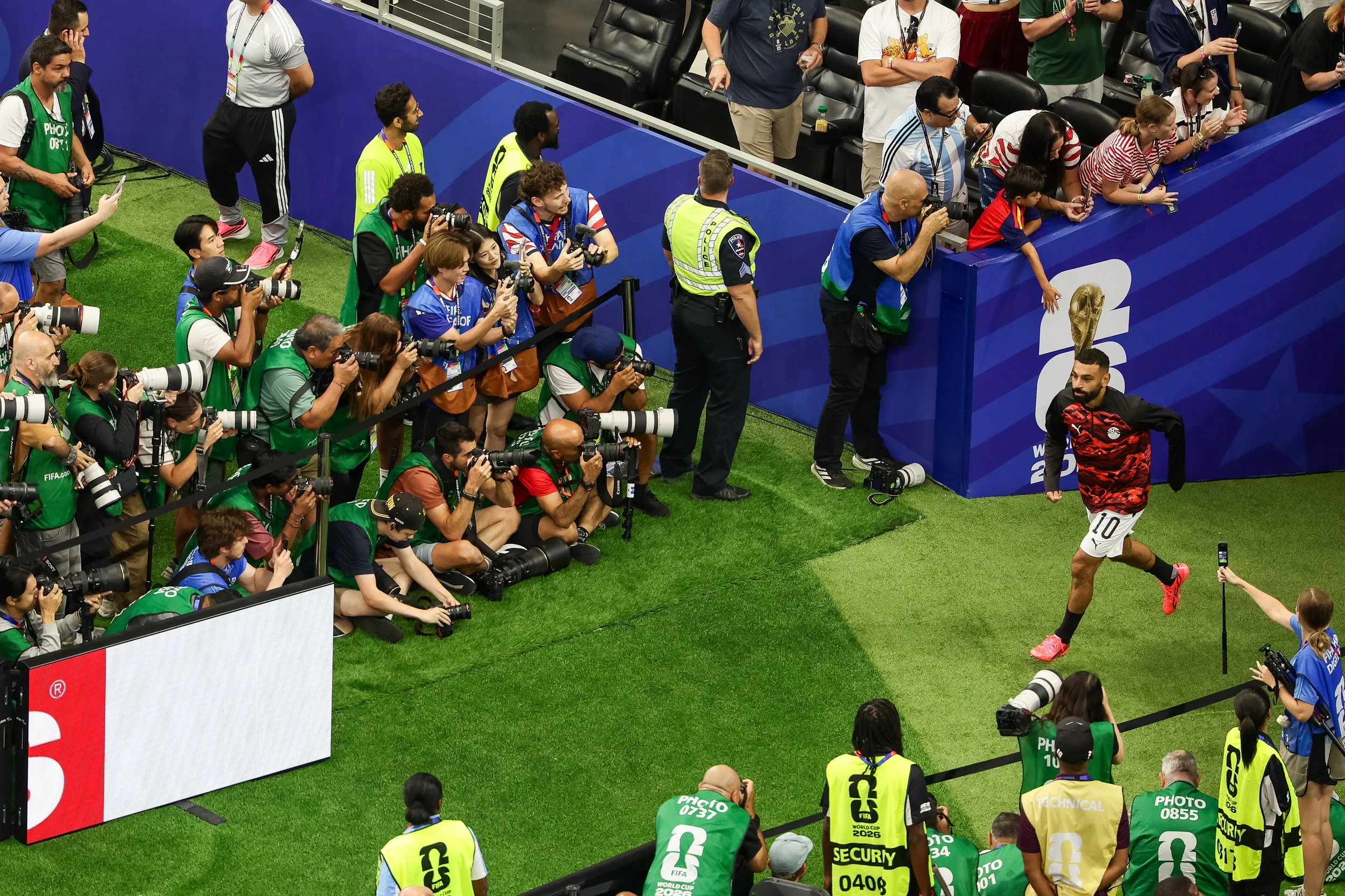
This match gave me a completely different perspective — literally.
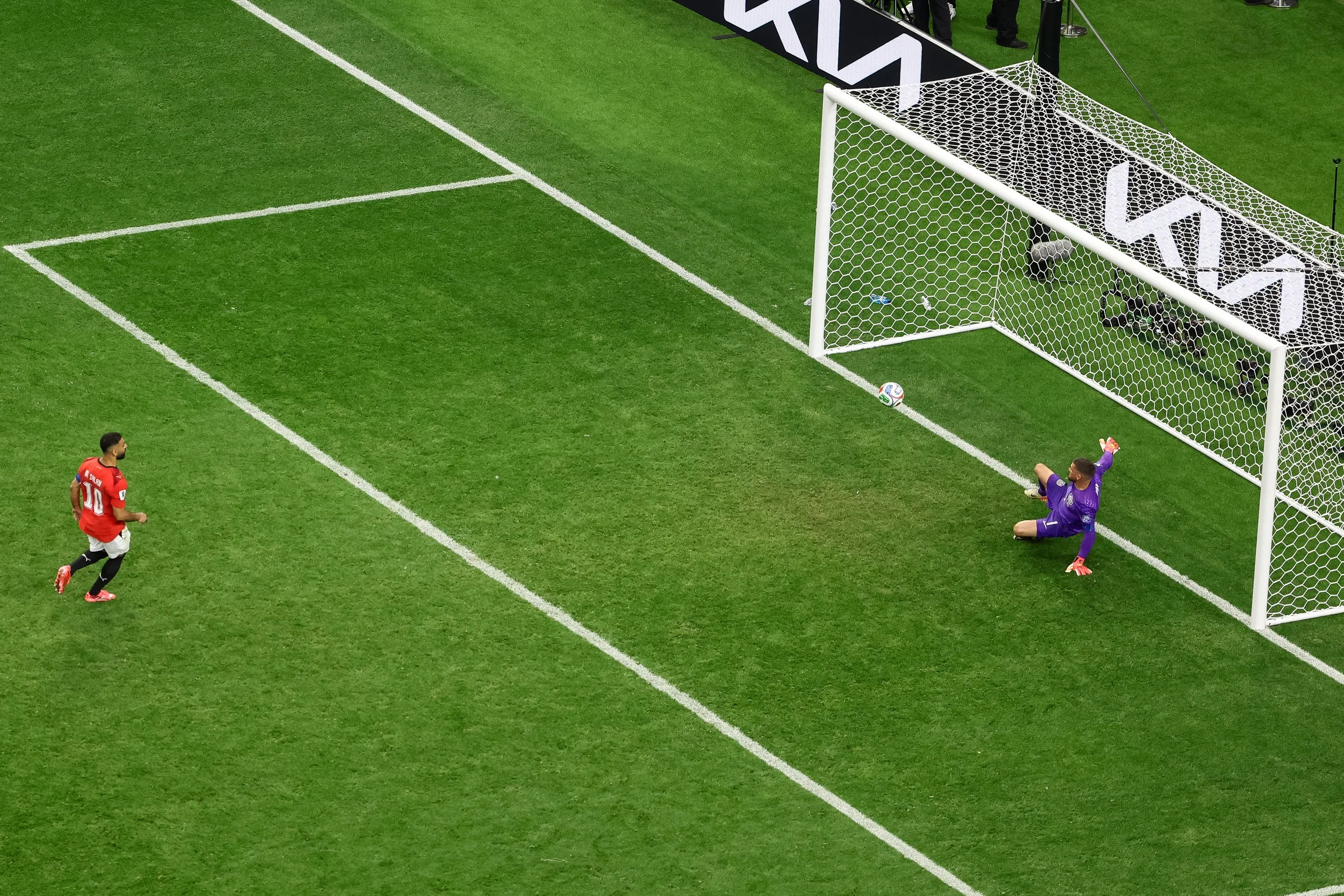
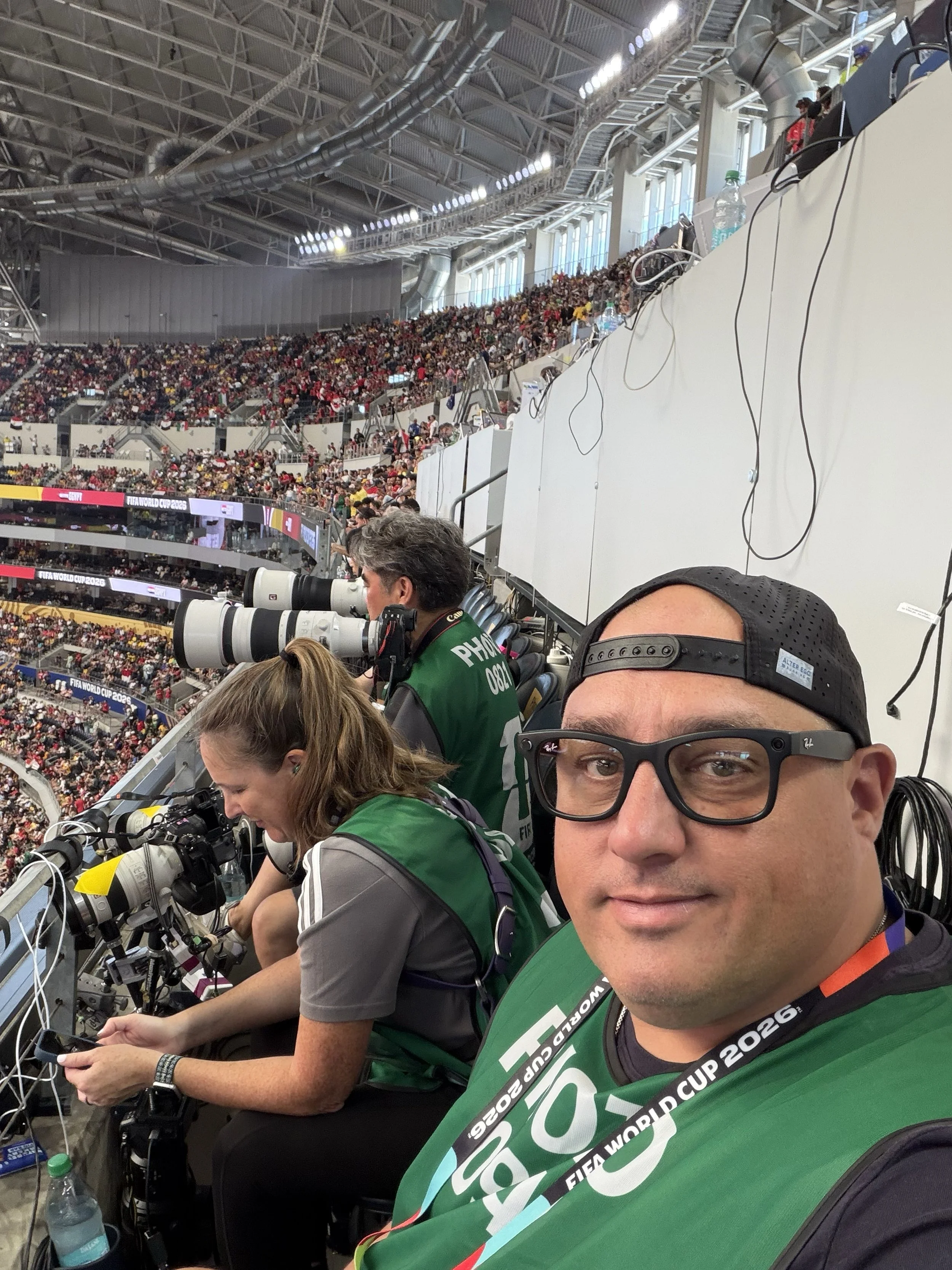
AFP asked me to cover the match from the Tribune, a media section located on the 400 level of the stadium. Instead of working from field level, I was photographing the entire match from high above the pitch.
At first, it felt a little strange. I was used to being down close to the action, trying to anticipate where the next moment might happen. From up there, I had to think differently.
I started looking more at shape, spacing, patterns and how the players moved through the frame. It gave me opportunities to make images I simply couldn’t have made from the sideline.
It also ended up being my first World Cup match decided by penalty kicks.
From that elevated position, the shootout had a completely different feel. I could see the players gathering together, the isolation of the shooter walking toward goal, and the emotion afterward in a way that told the story of the moment from a much wider perspective.
This match reminded me that sometimes being forced into a different position can be a good thing. It makes you see the game differently — and create differently.
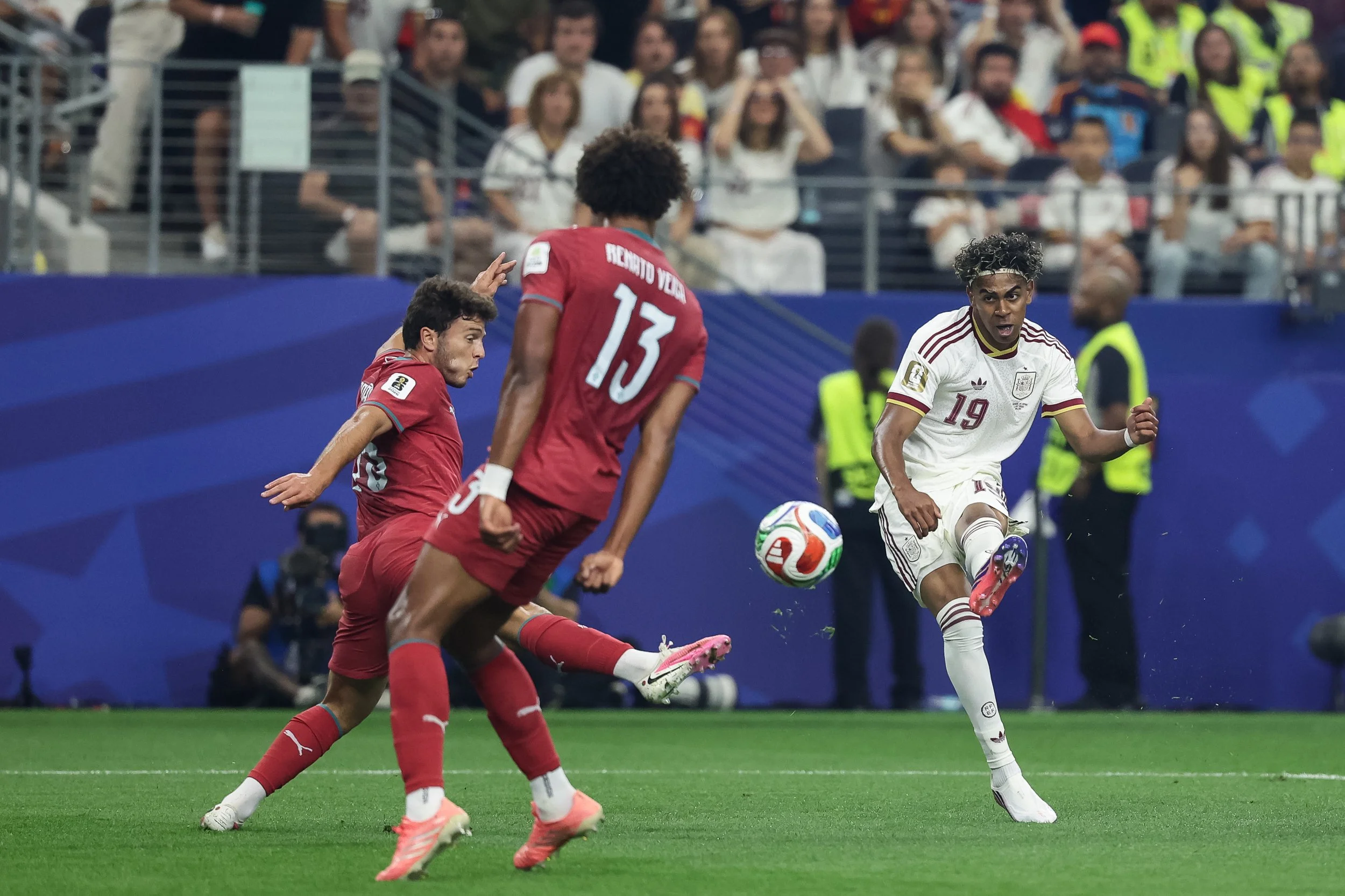
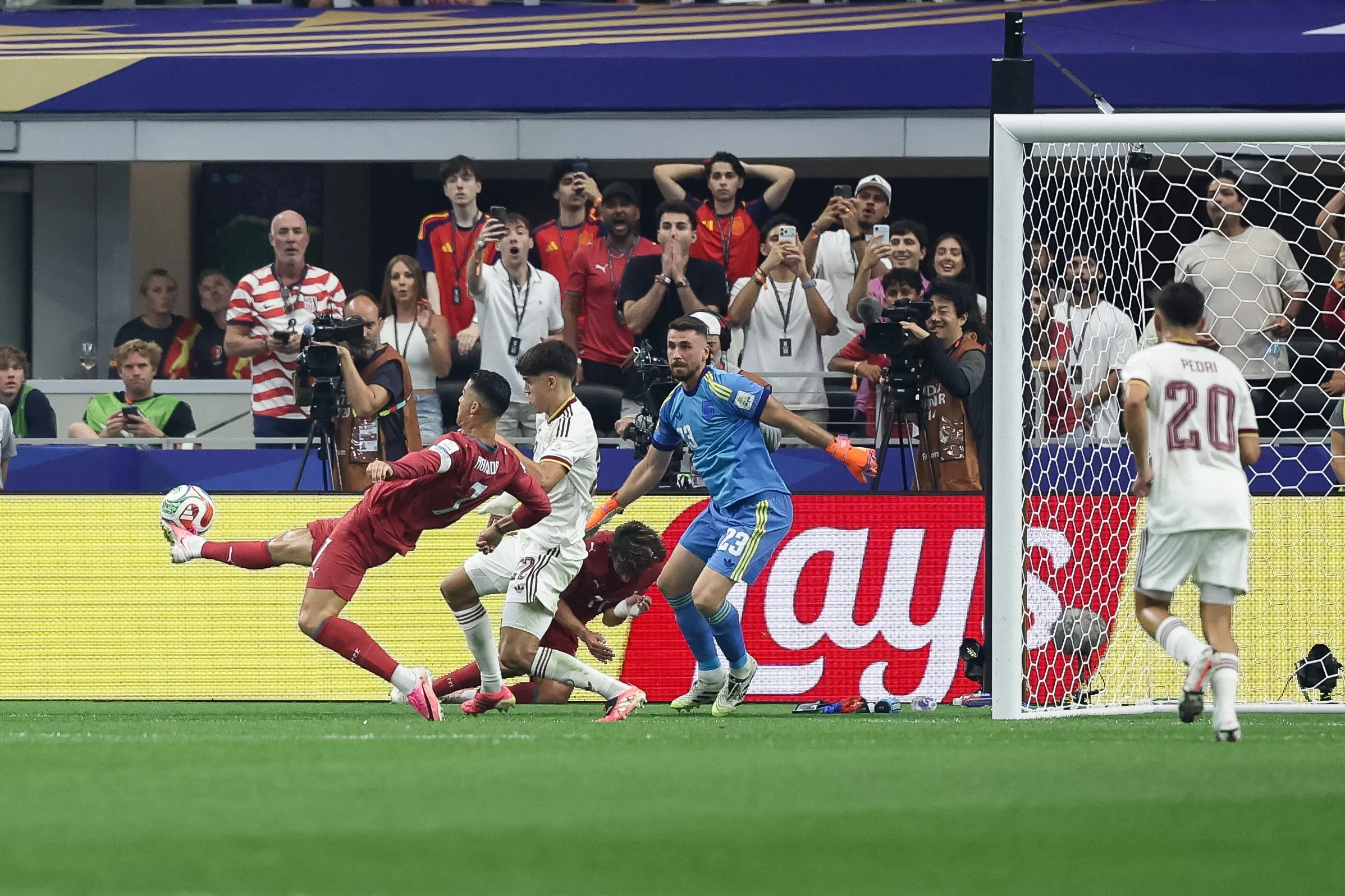
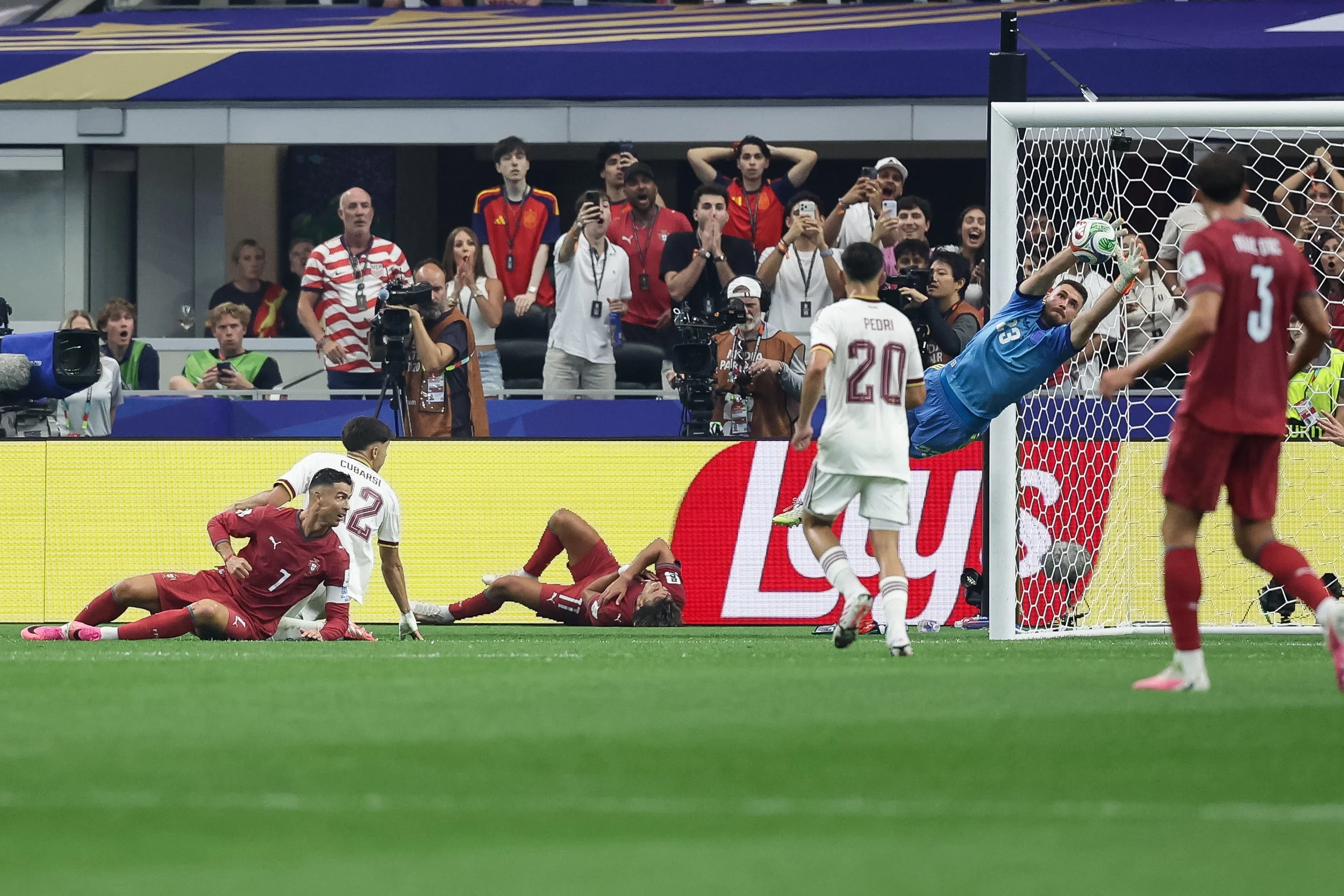
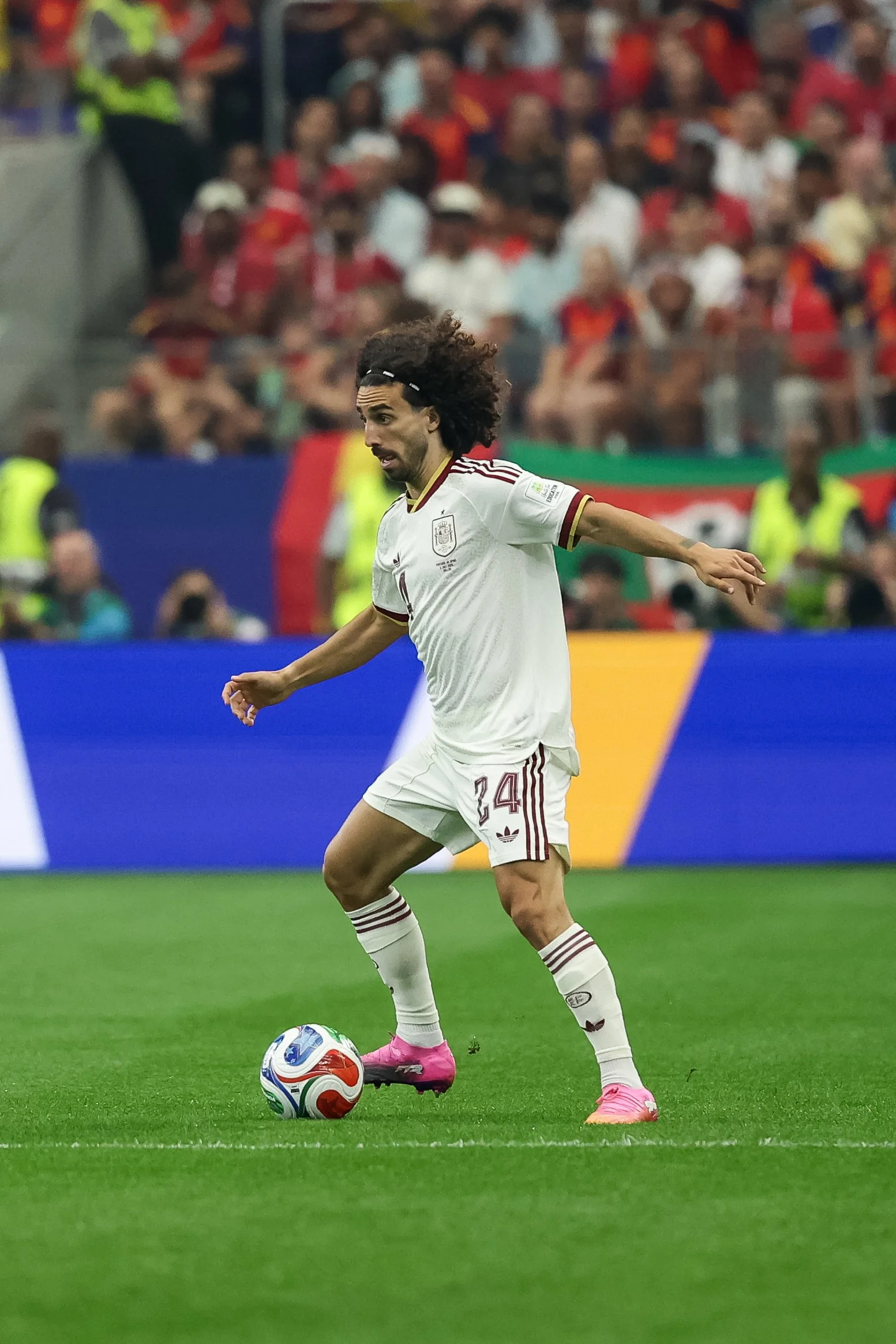
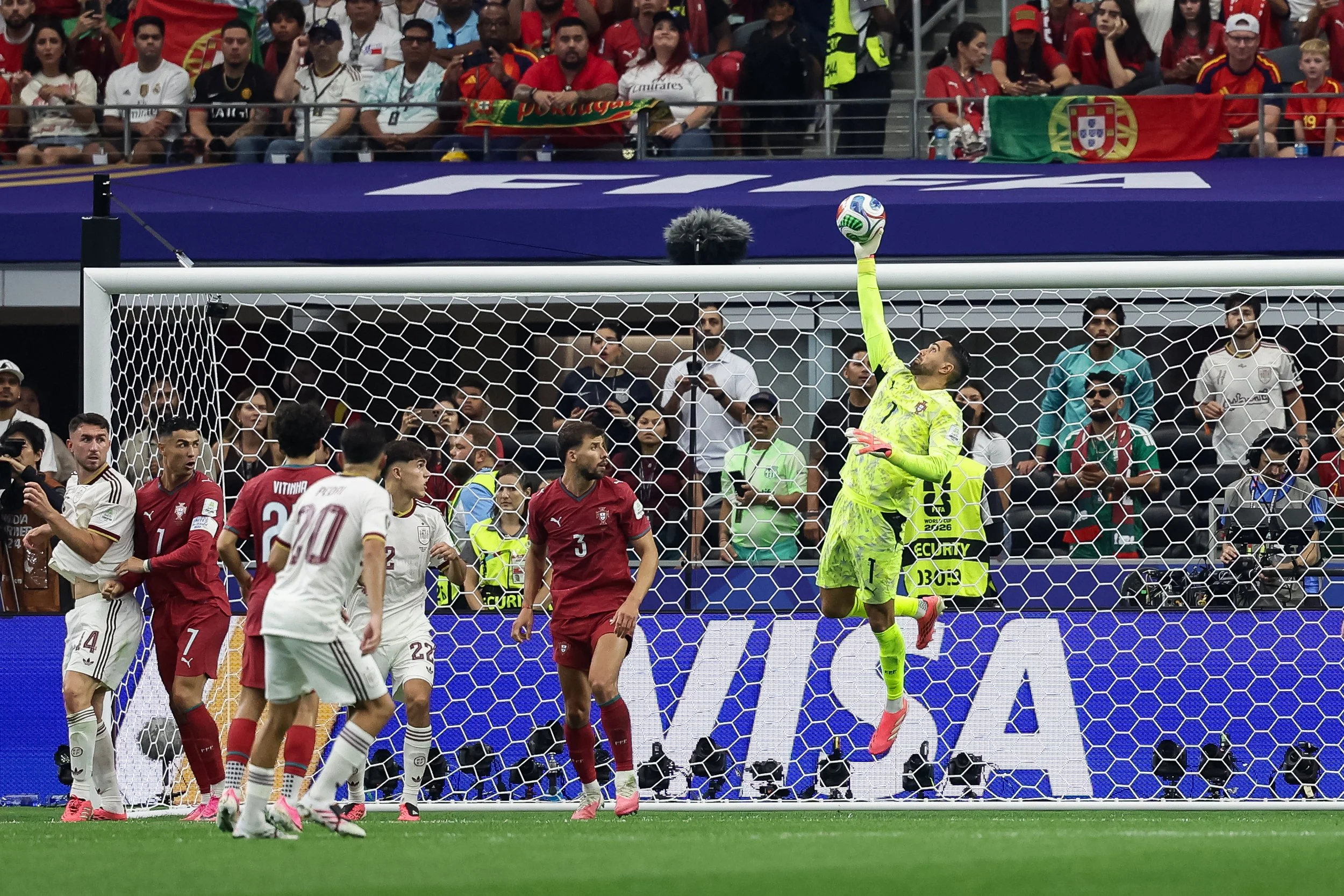
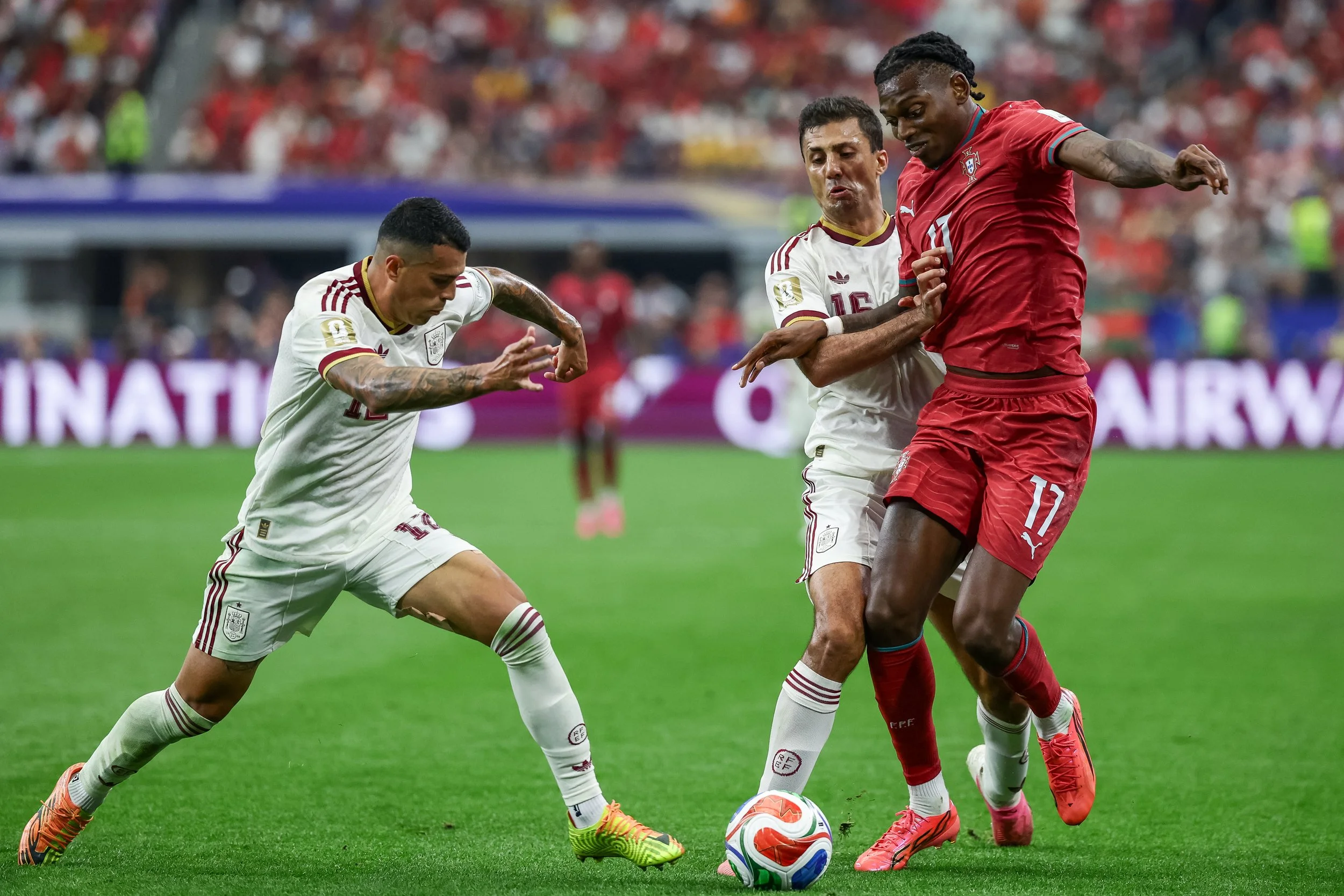
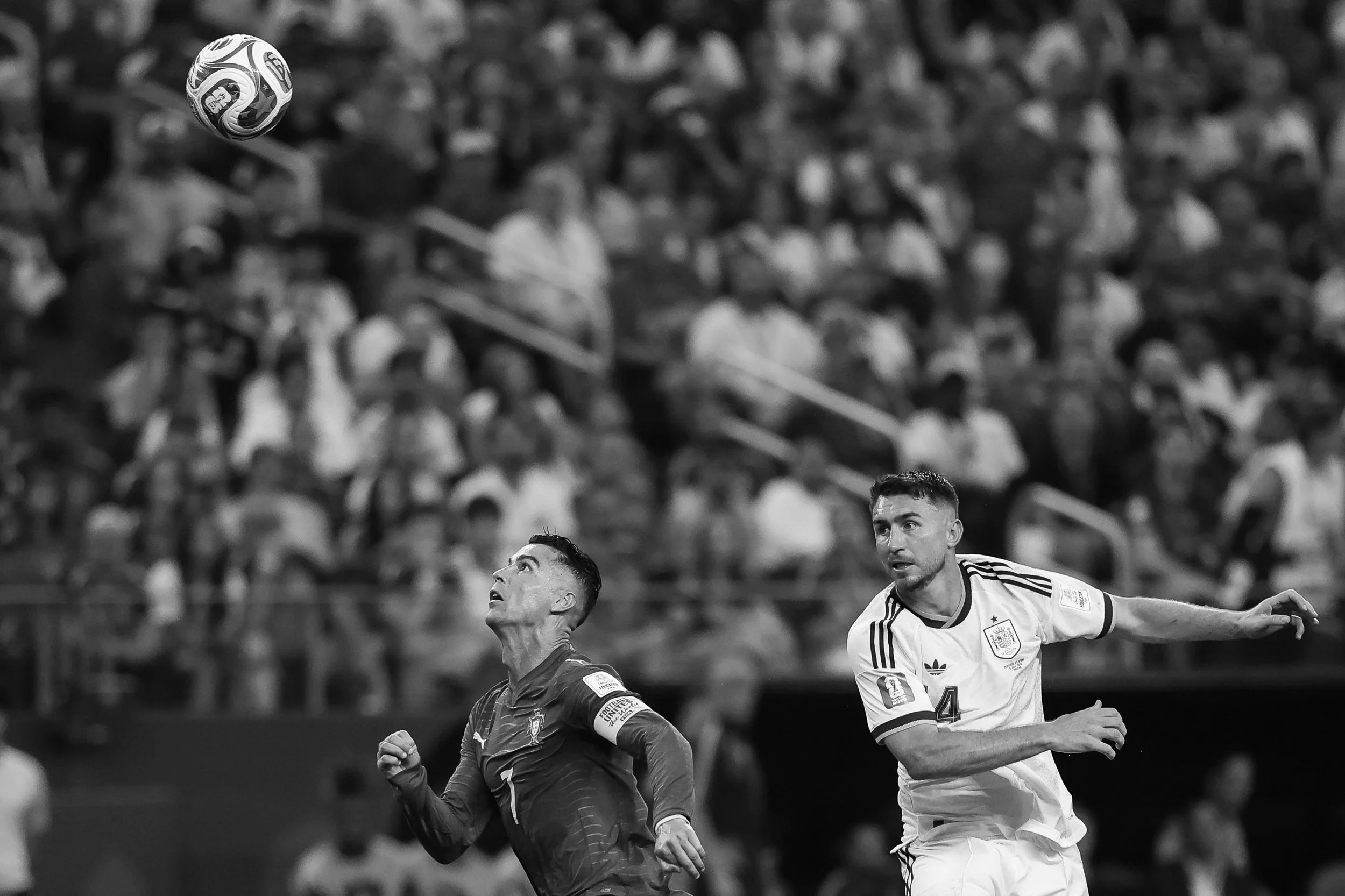
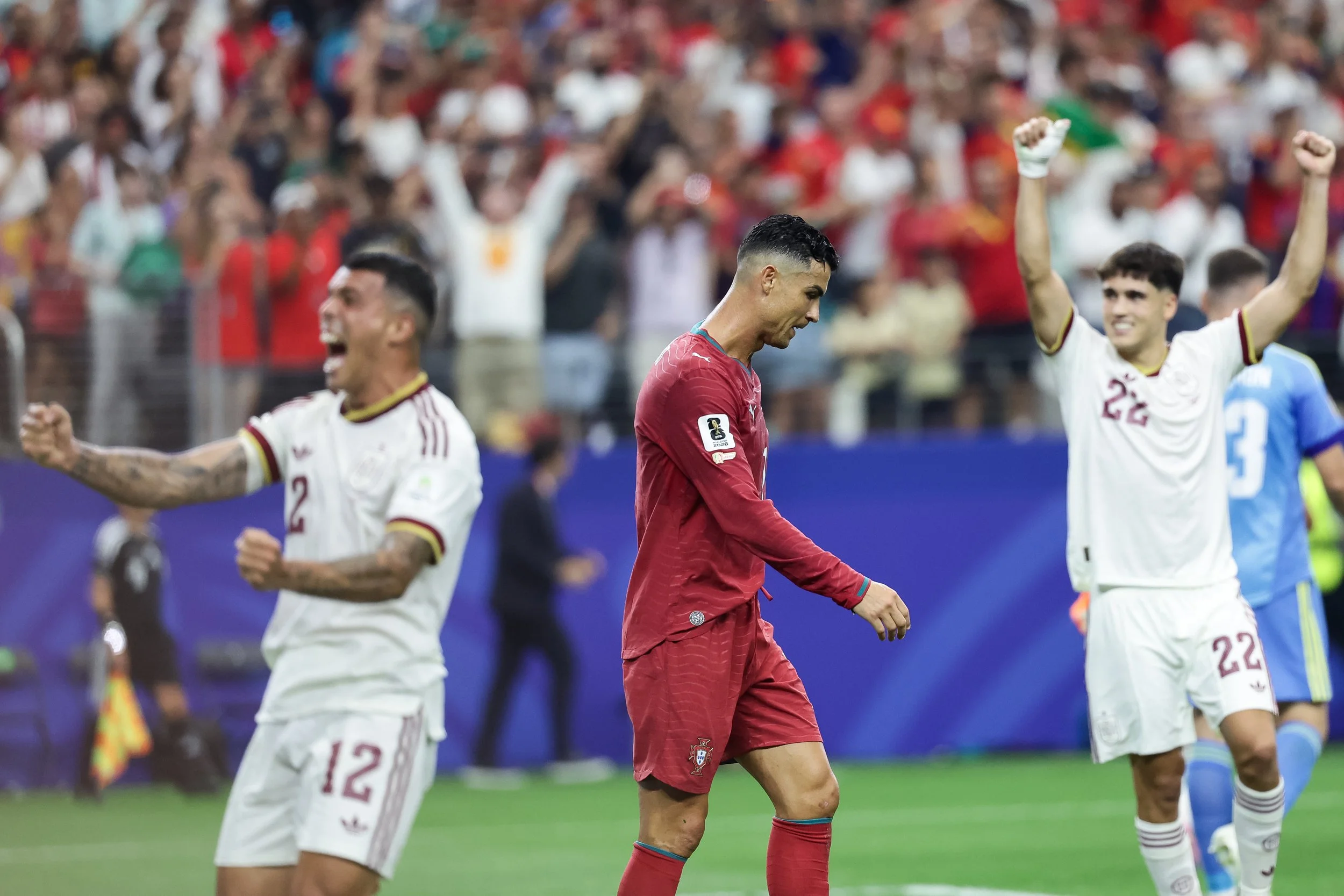
Match 8 - Portugal vs Spain | July 6
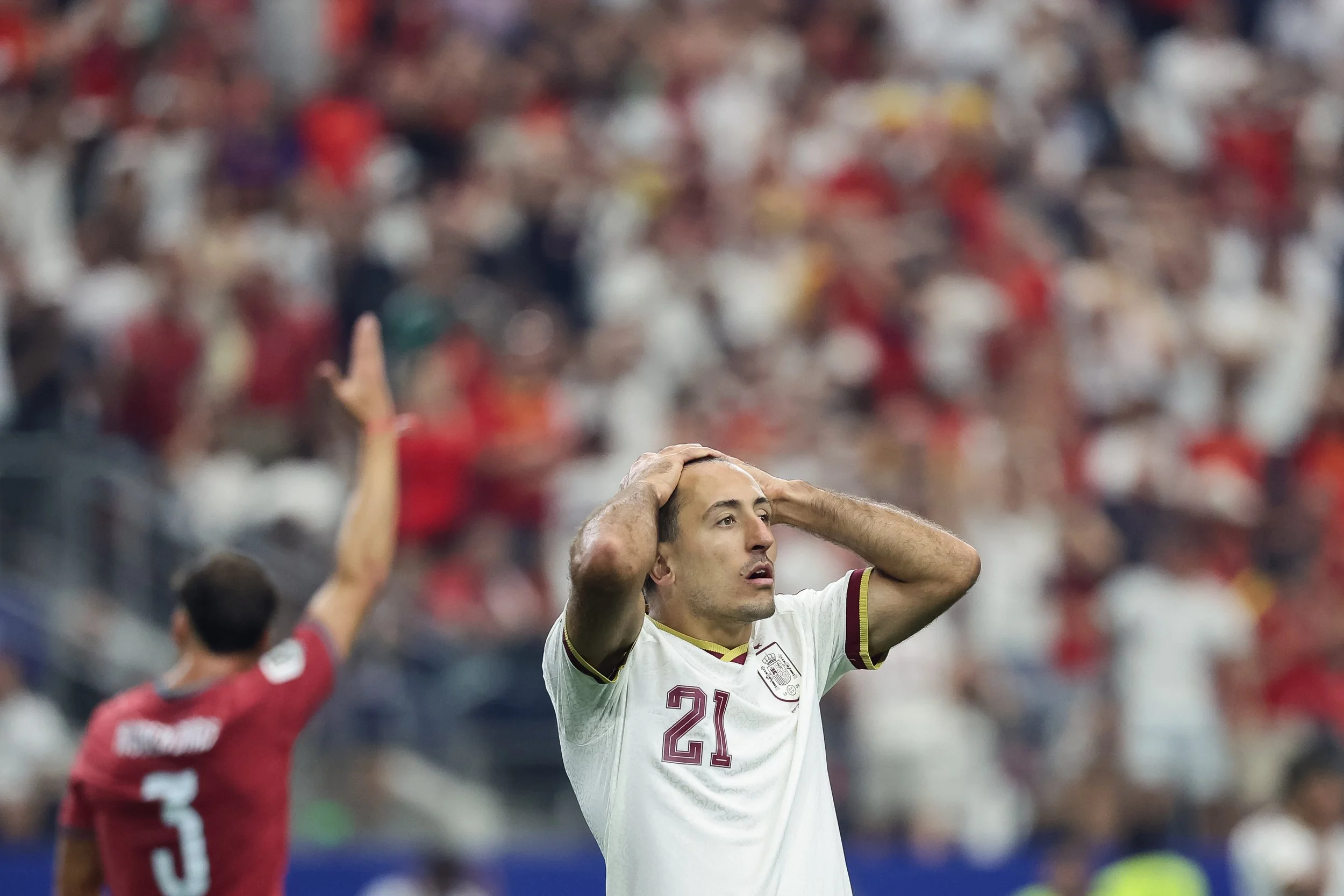
Up to this point, I had been so busy concentrating on the job — where I needed to be, what I needed to cover and constantly trying to find different ways to create images — that I really hadn’t stopped to think about how quickly the tournament was going by.
Coming into this match, it finally hit me:
My World Cup was almost over.
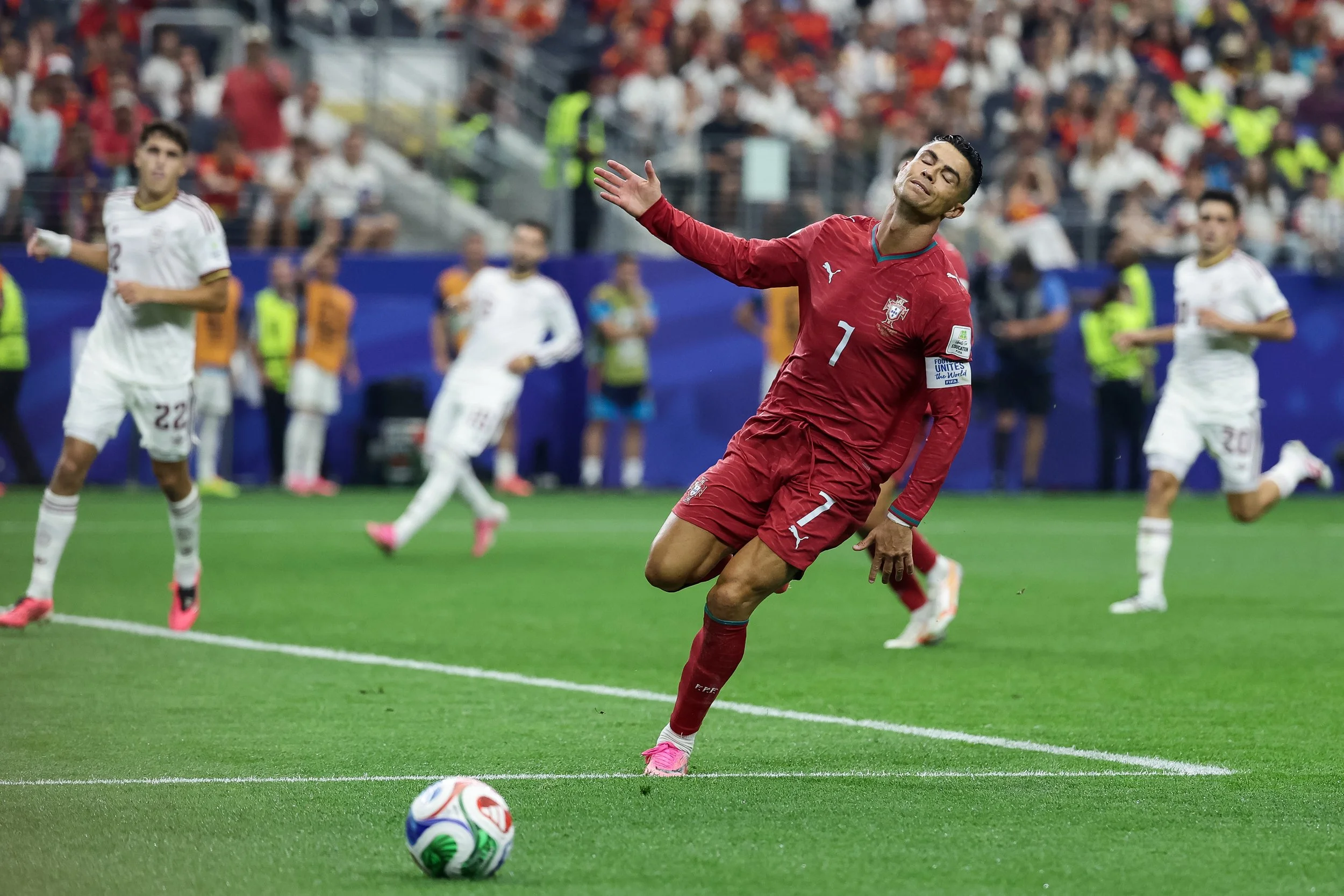
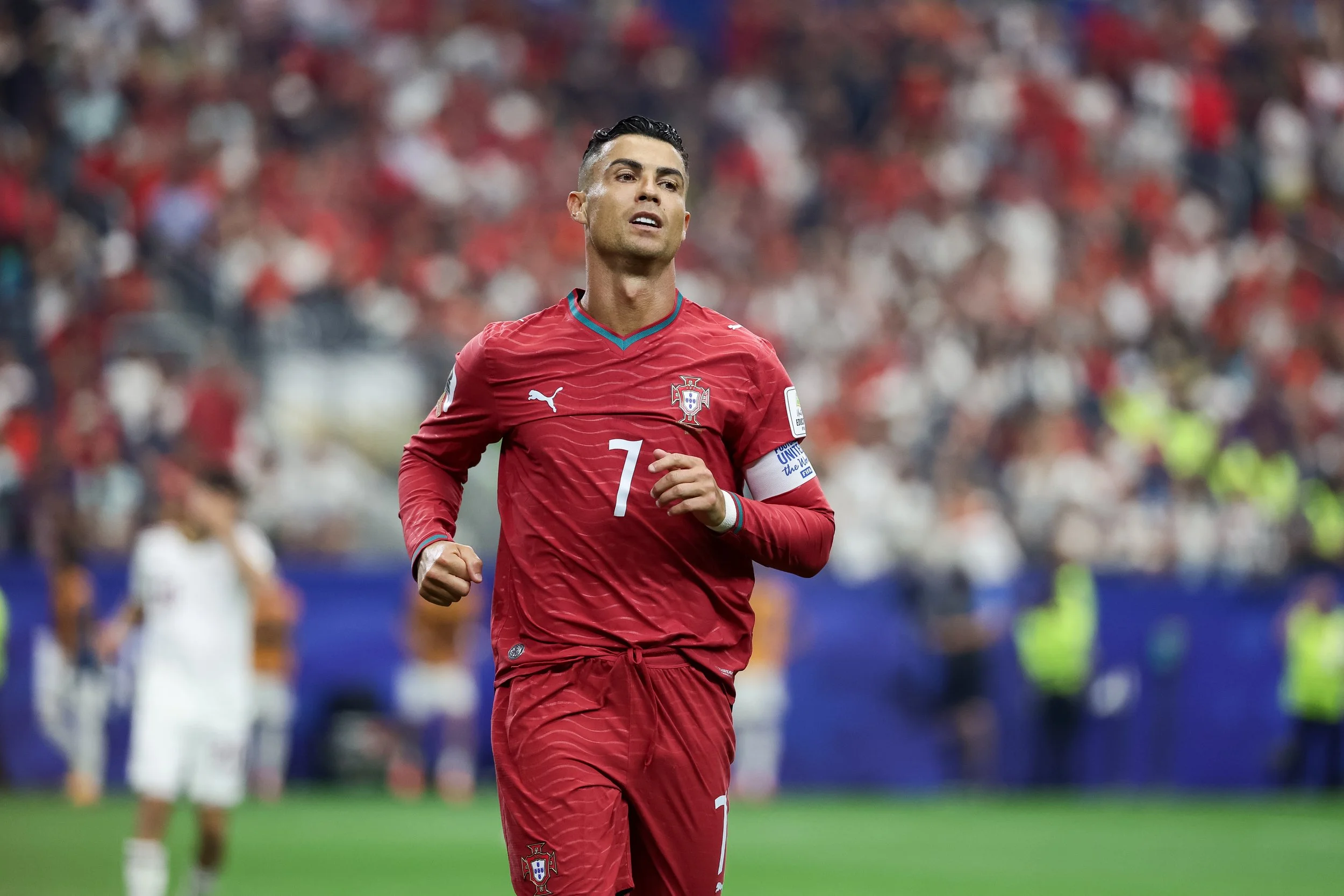
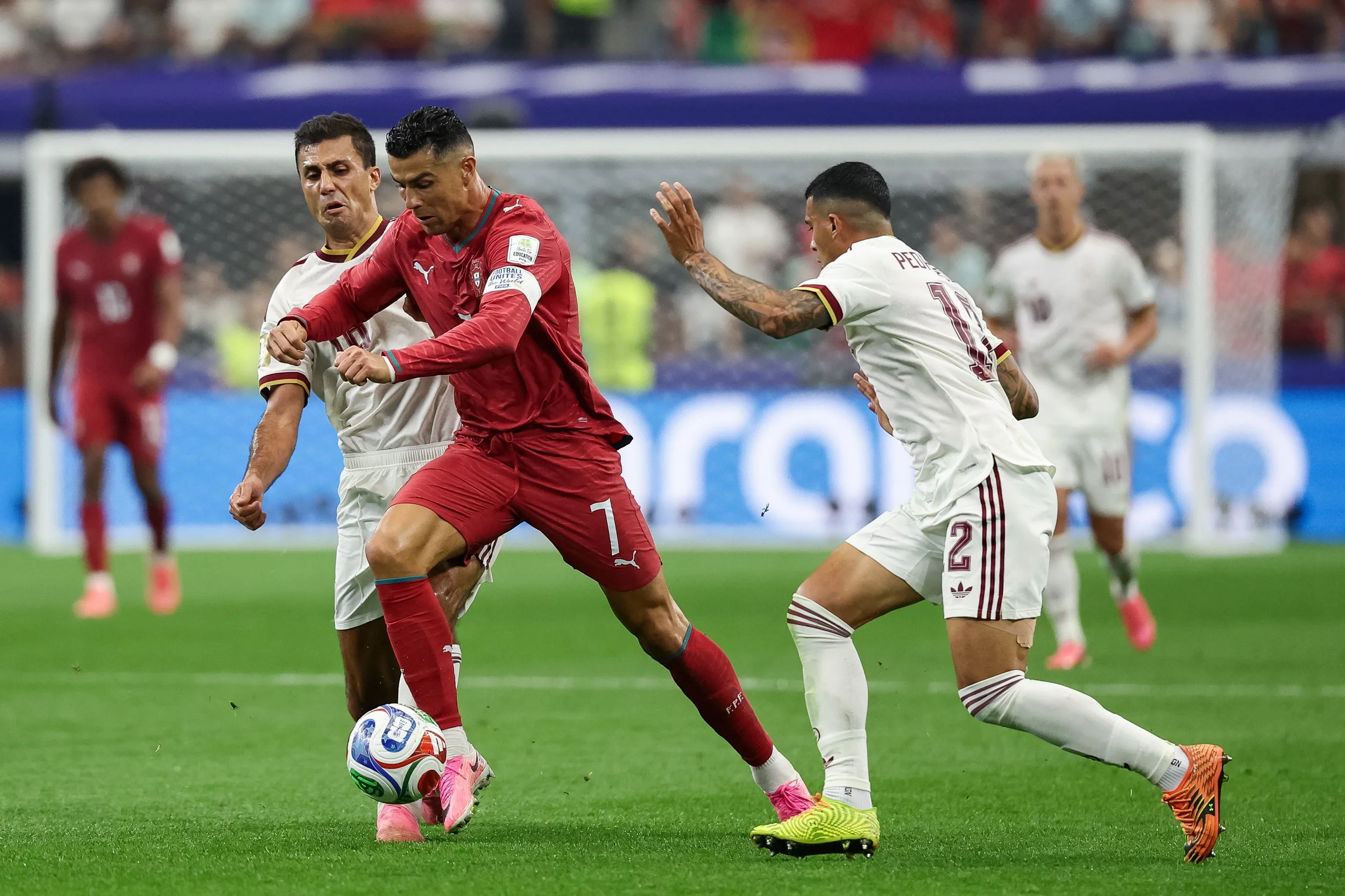
And this match brought another superstar in front of my camera — Cristiano Ronaldo.
Messi. Haaland. Ronaldo. The list of players and football legends I had been fortunate enough to photograph during my first World Cup was becoming pretty crazy to think about.
Knowing this would be Ronaldo’s final match of the tournament also made me pay a little more attention to him beyond just the action. His expressions. His reactions. The moments between plays.
By now, I also felt completely different behind the camera than I had during Match 1. I wasn’t nearly as nervous or thinking about every little decision. I was more comfortable, more confident and simply looking for photographs.
Maybe that’s why I was finally able to slow down enough to realize just how special all of this had been.
And now I only had one match left.
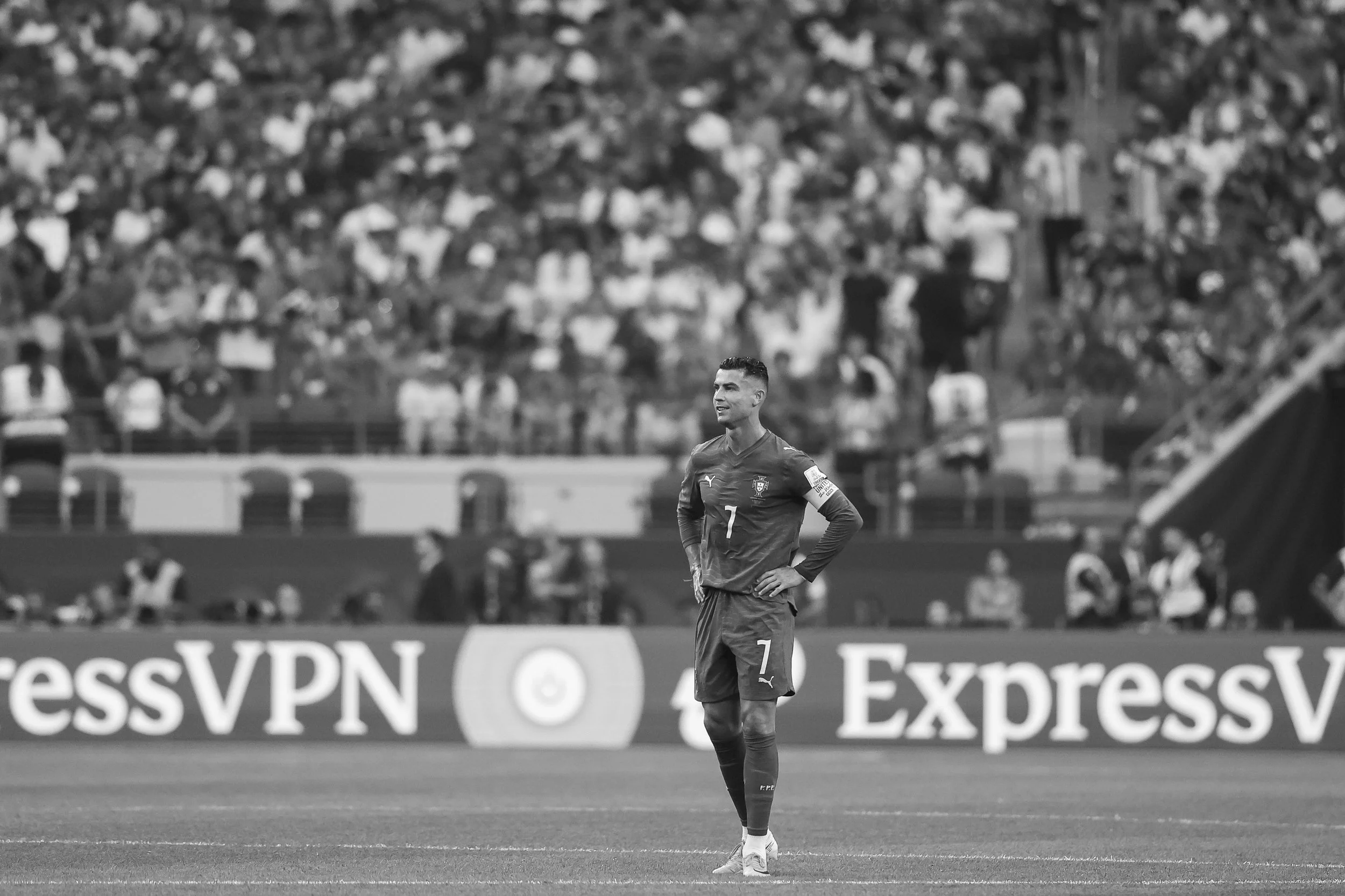
Ronaldo looks on during his match versus Spain
Match 9 - France vs Spain | July 11
This was never going to feel like just another match.
A few days before the semifinal, I received what had become my normal assignment information from AFP — where I would be positioned and what my responsibilities would be.
Except this time, it wasn’t normal.
I was part of a team of eight photographers assigned to tell the story of a World Cup semifinal for AFP.
Just typing that still feels pretty incredible.
My assignment took me back up to the Tribune area, shooting from high above the field. By this point, I was much more comfortable working from that perspective and knew what kinds of images I wanted to look for.
Then the match started…and it felt like it was over almost immediately.
Everything happened so fast. I was concentrating on making pictures, following the story and doing my job that when the final whistle blew, I honestly wasn’t sure if I had made anything special.
Then, while driving home, a message came through our AFP group chat from one of my colleagues:
“Congratulations Aric on your cover image.”
One of my photographs from the semifinal had been selected for the front page of El Periódico in Spain.
I had spent the entire World Cup questioning myself, learning, making mistakes, missing photographs, finding my rhythm and trying to get better with every match.
And now, after my final match in Dallas, one of my images was staring back at me from the front page of a newspaper in Spain.
That was a pretty special way to end my first World Cup.
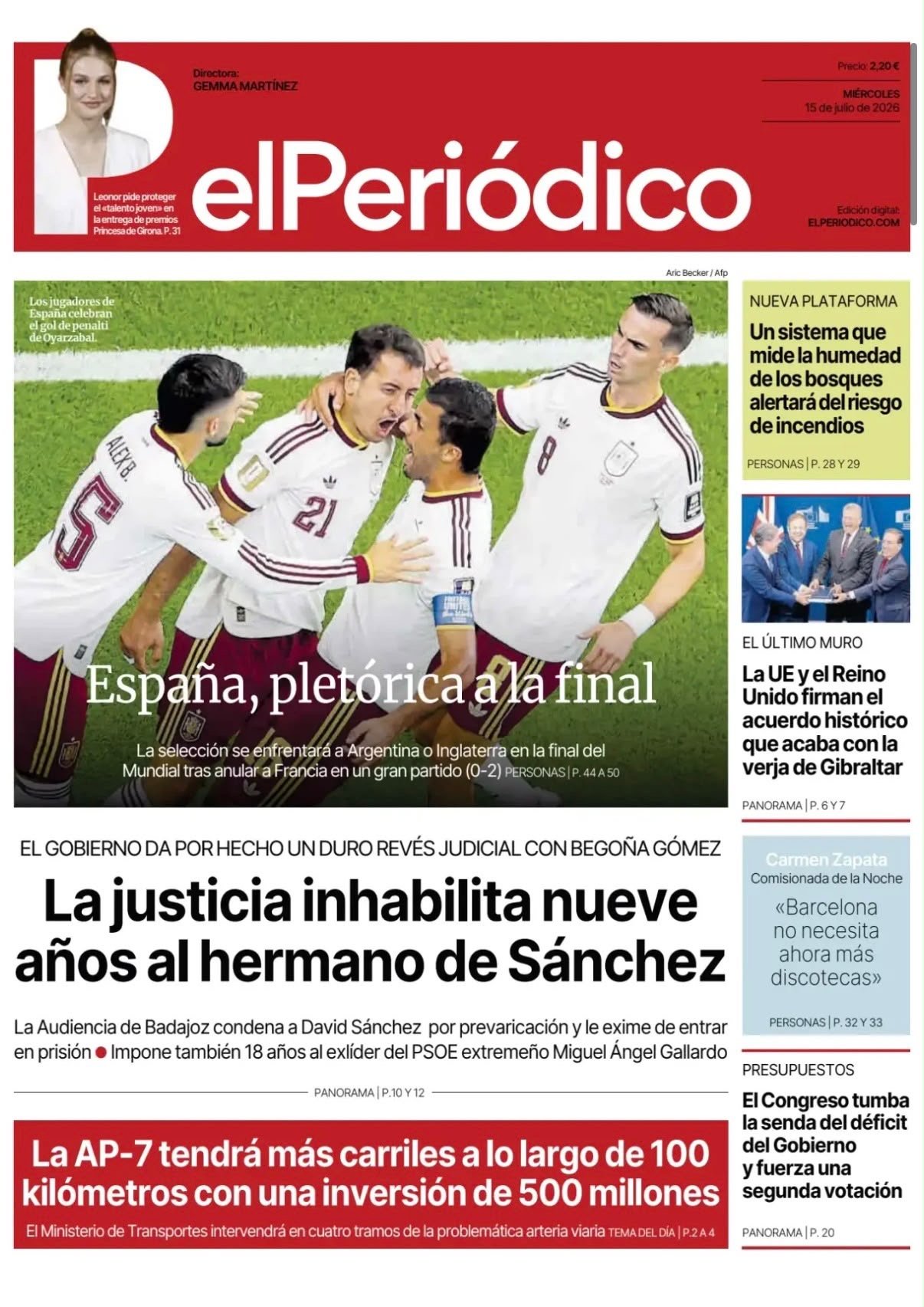
My cover image from World Cup Semi-Final match.
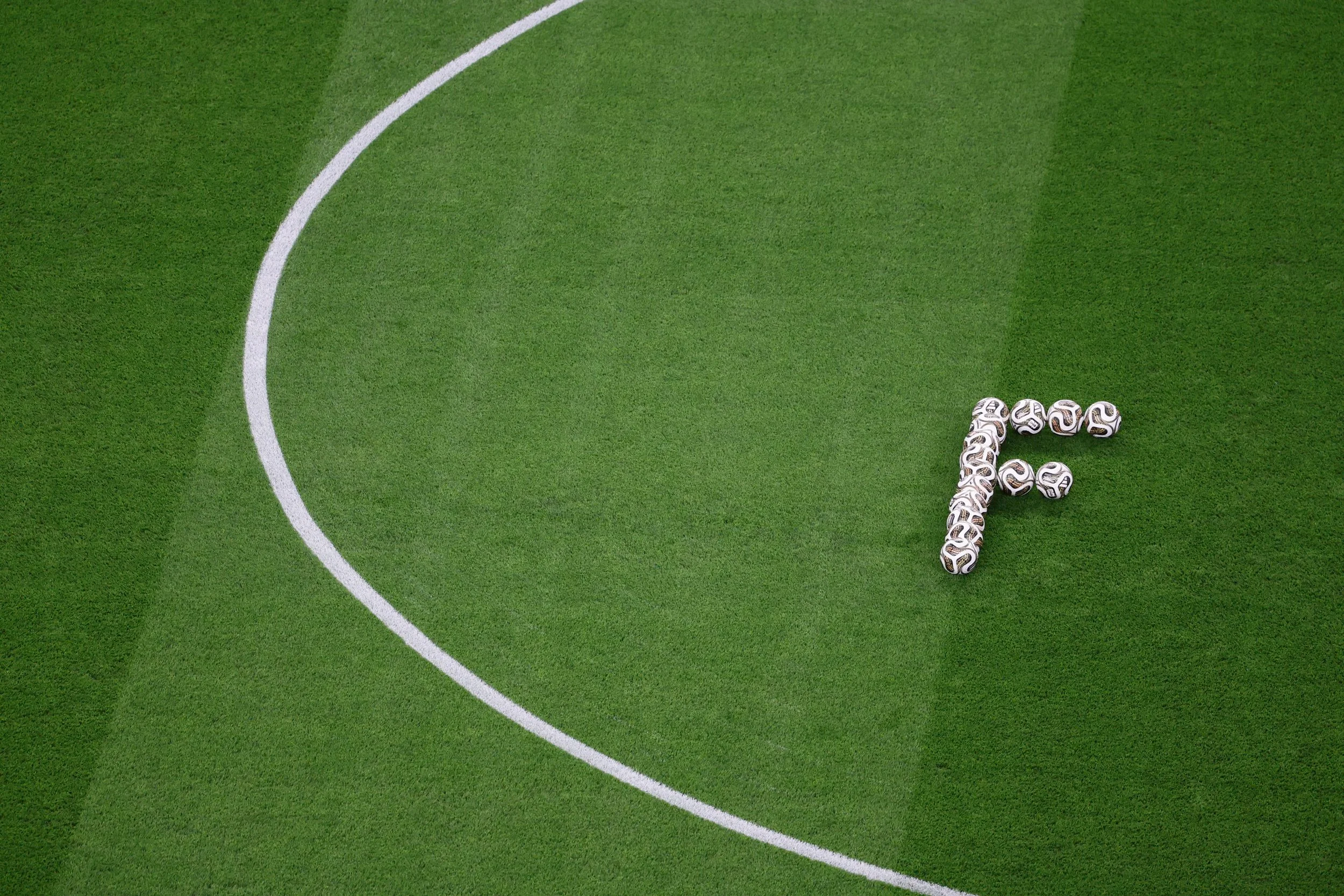
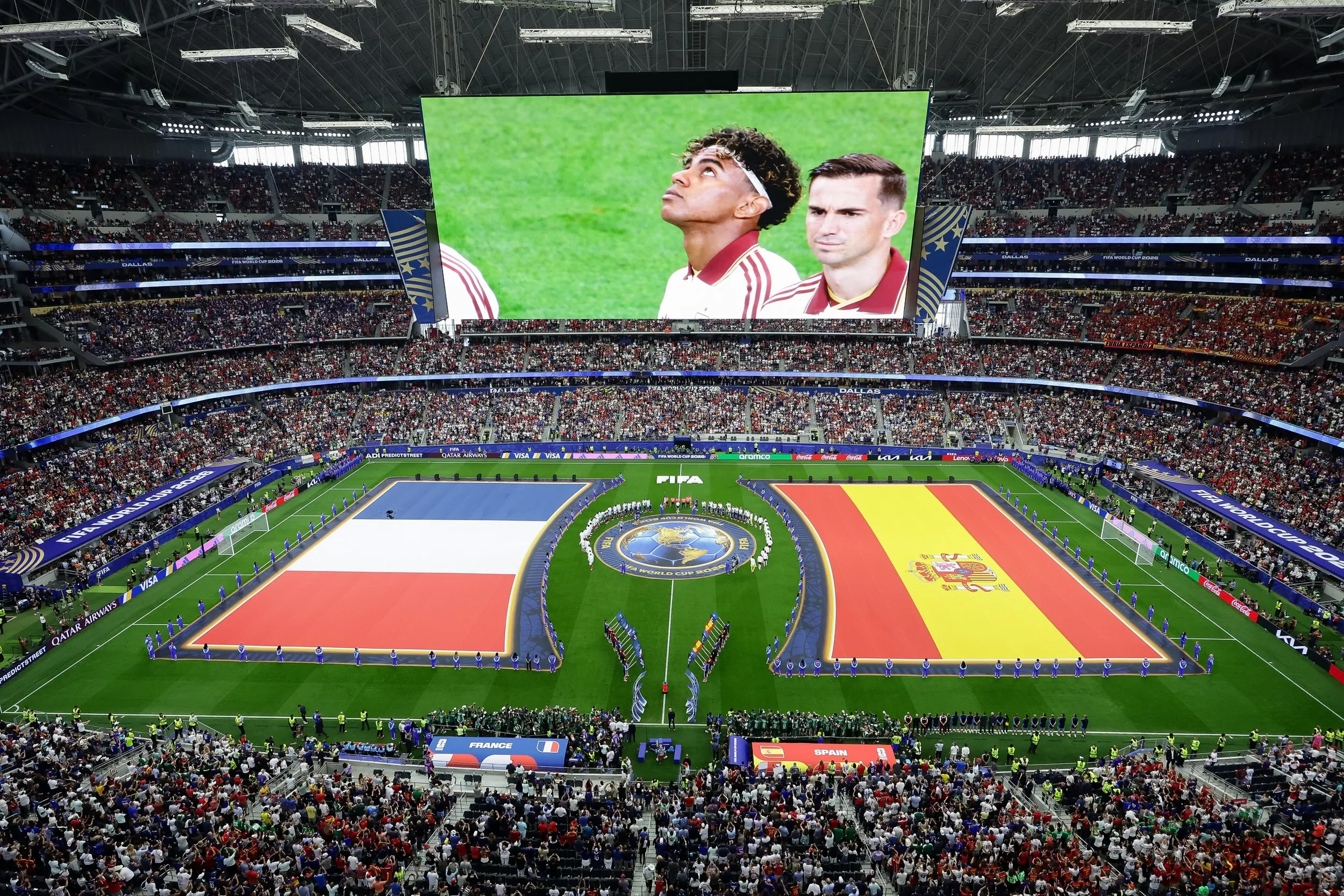
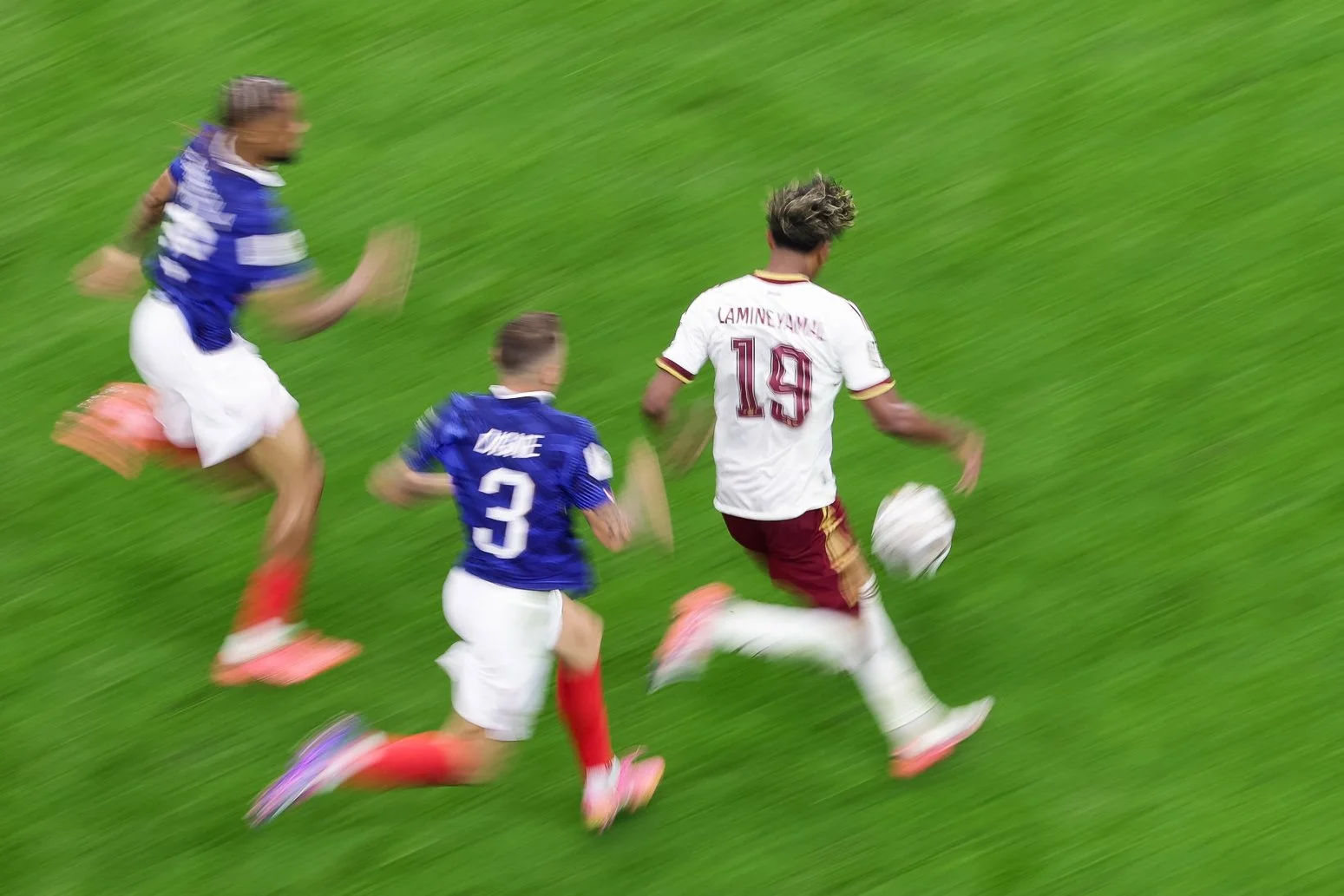
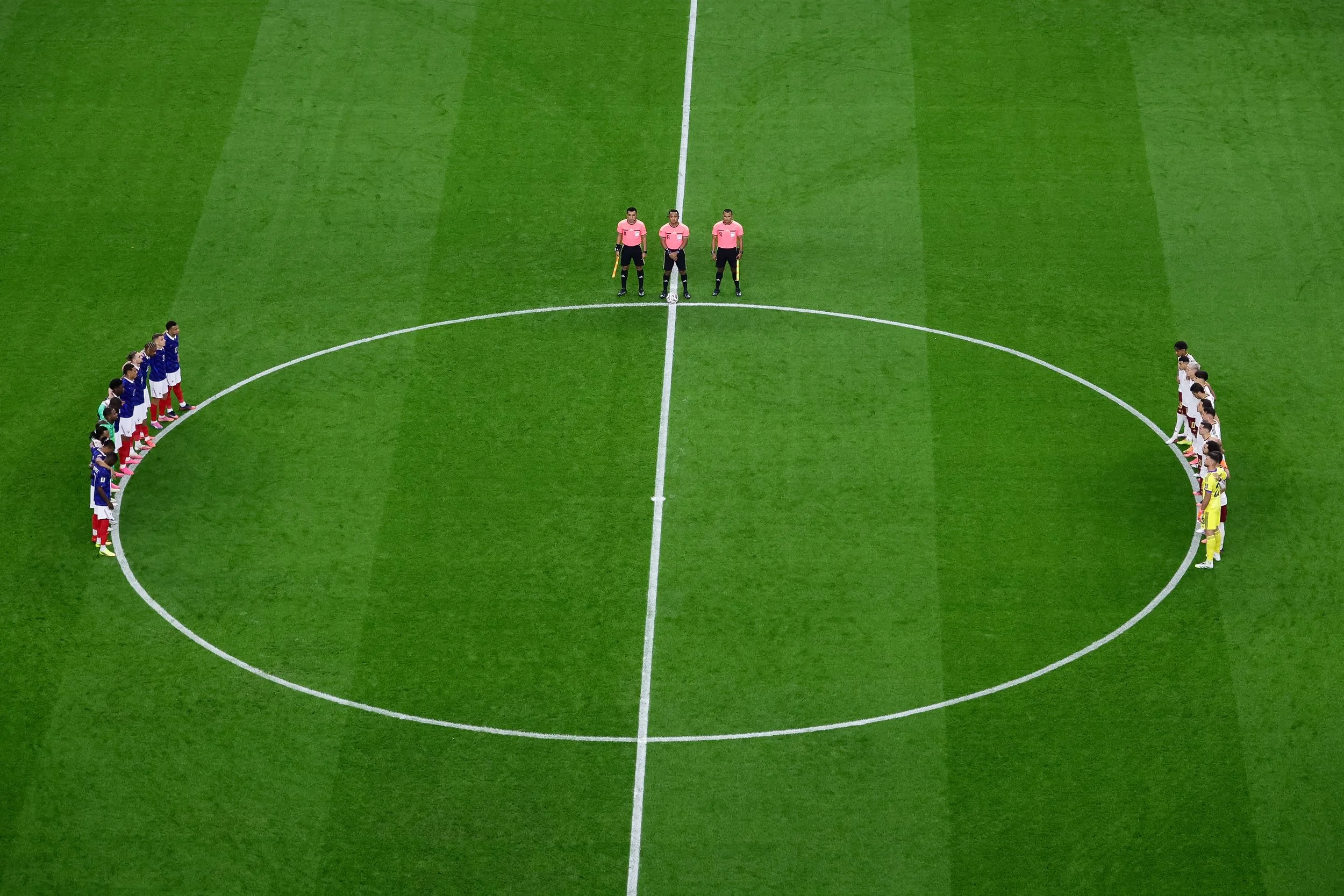
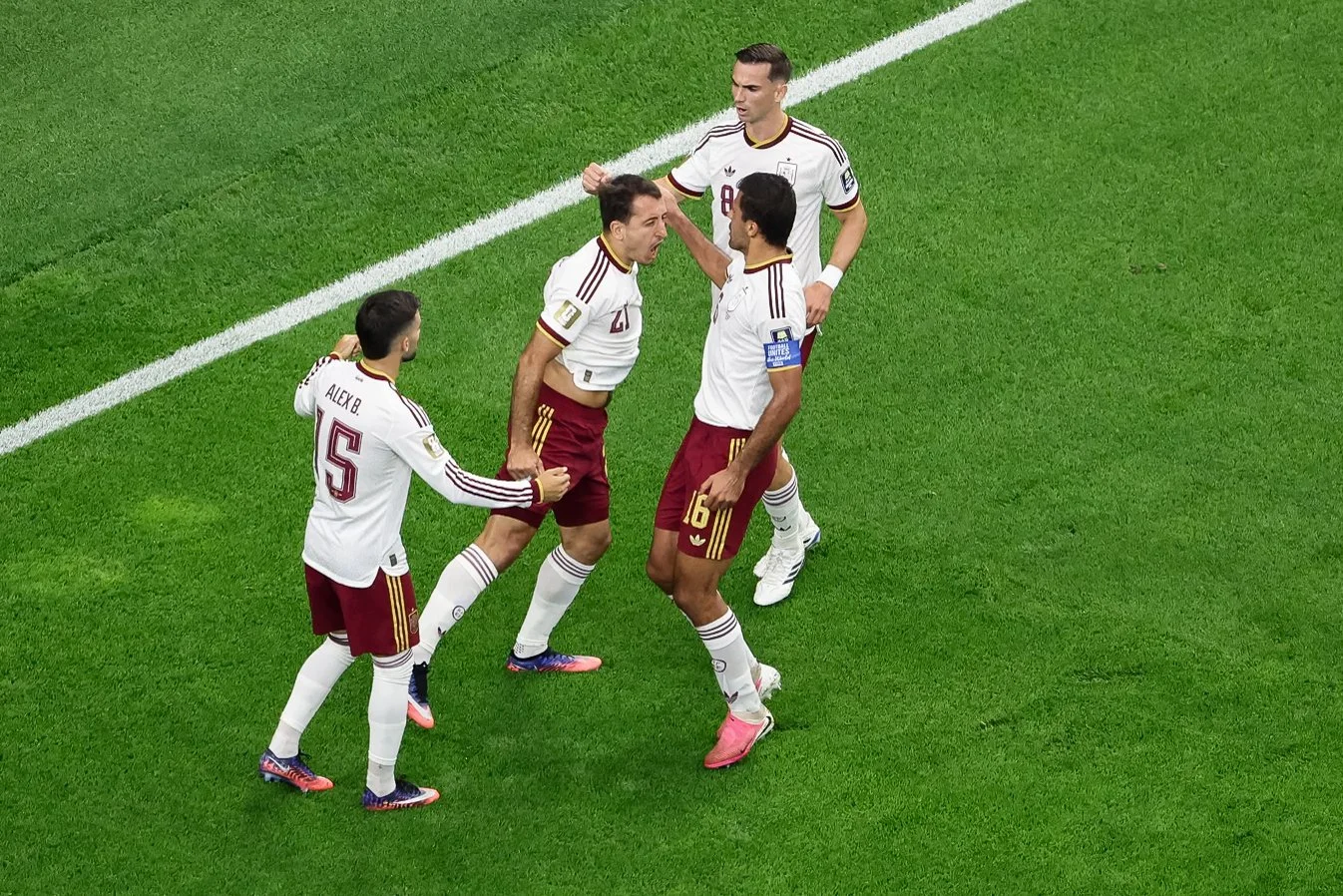
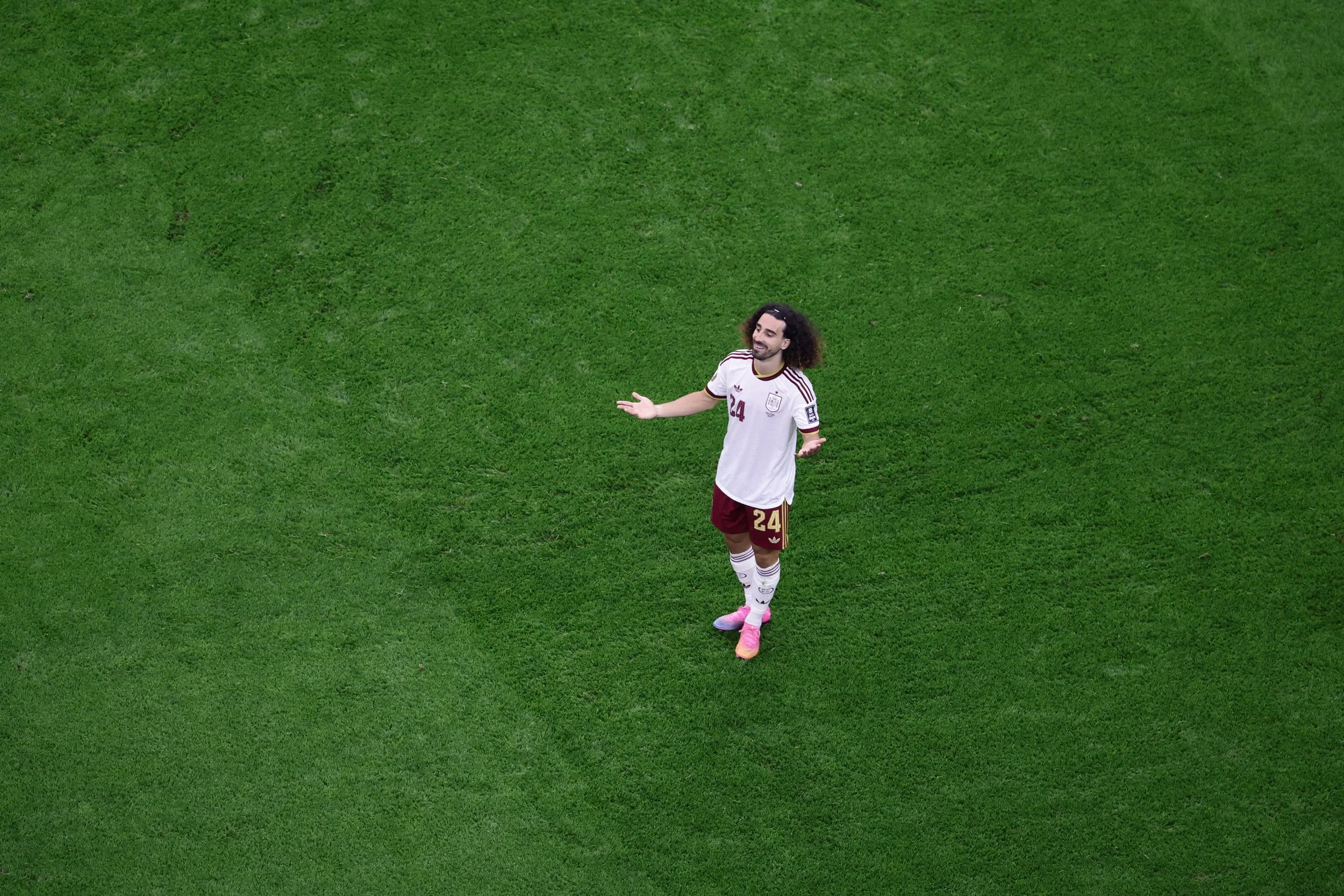
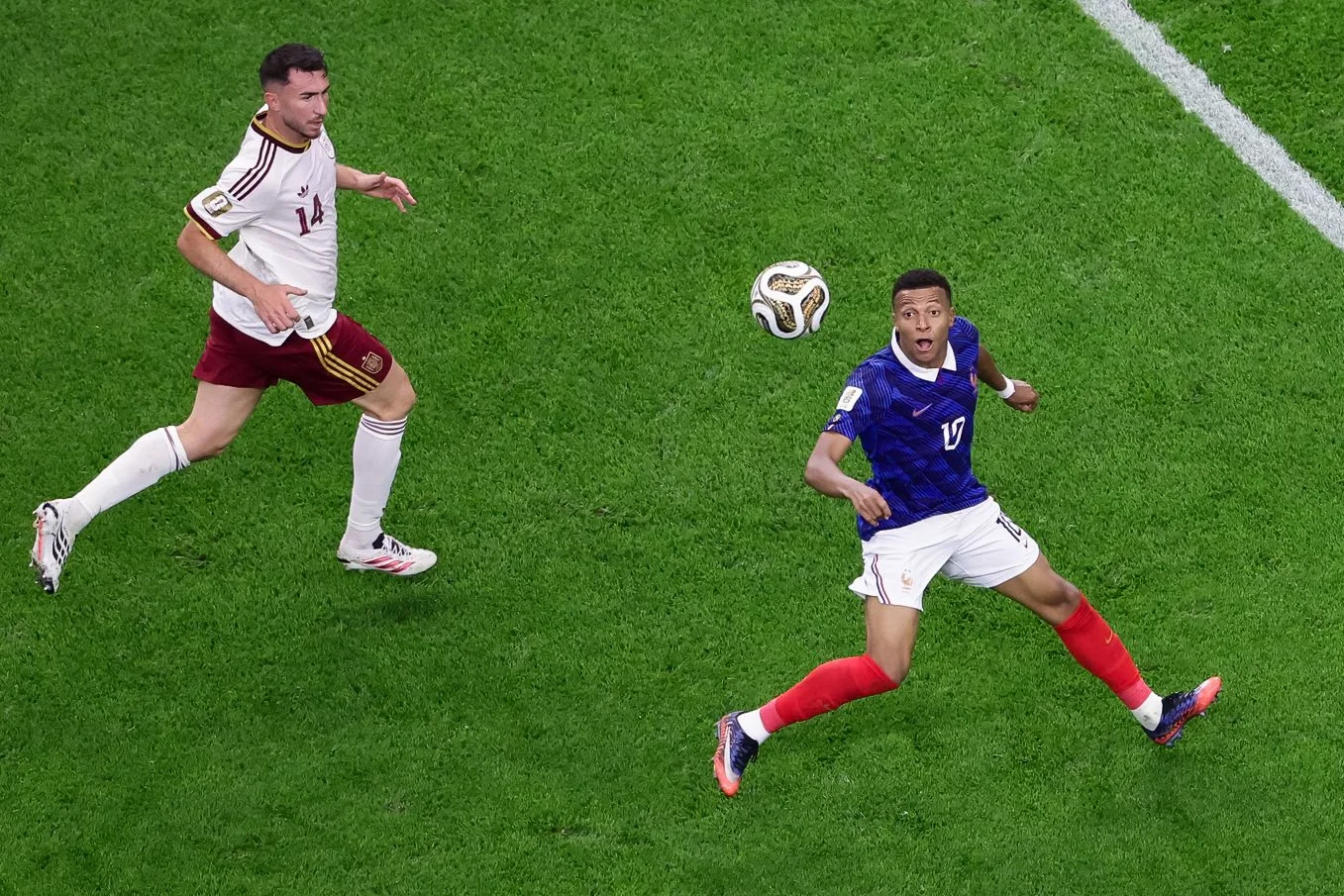
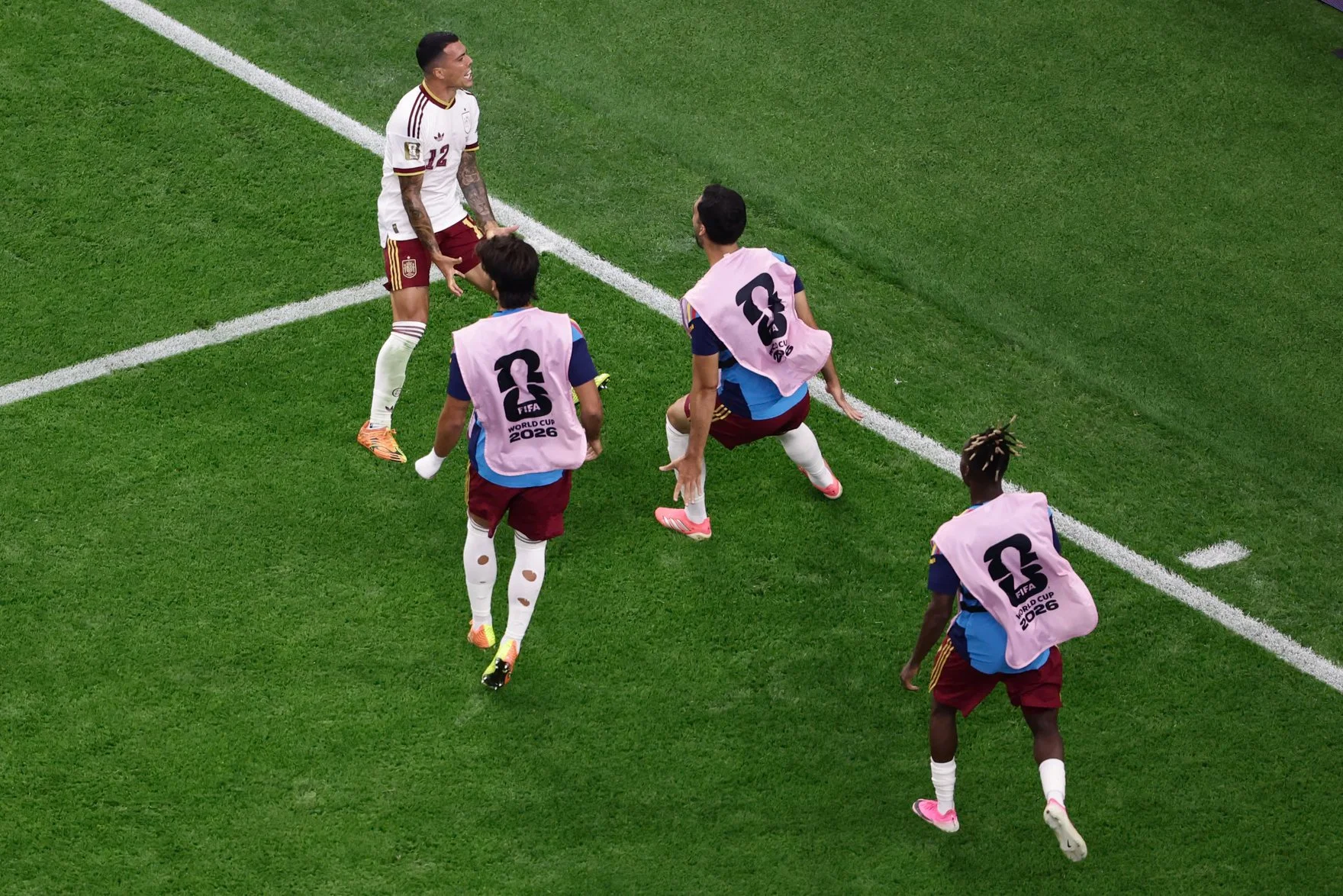
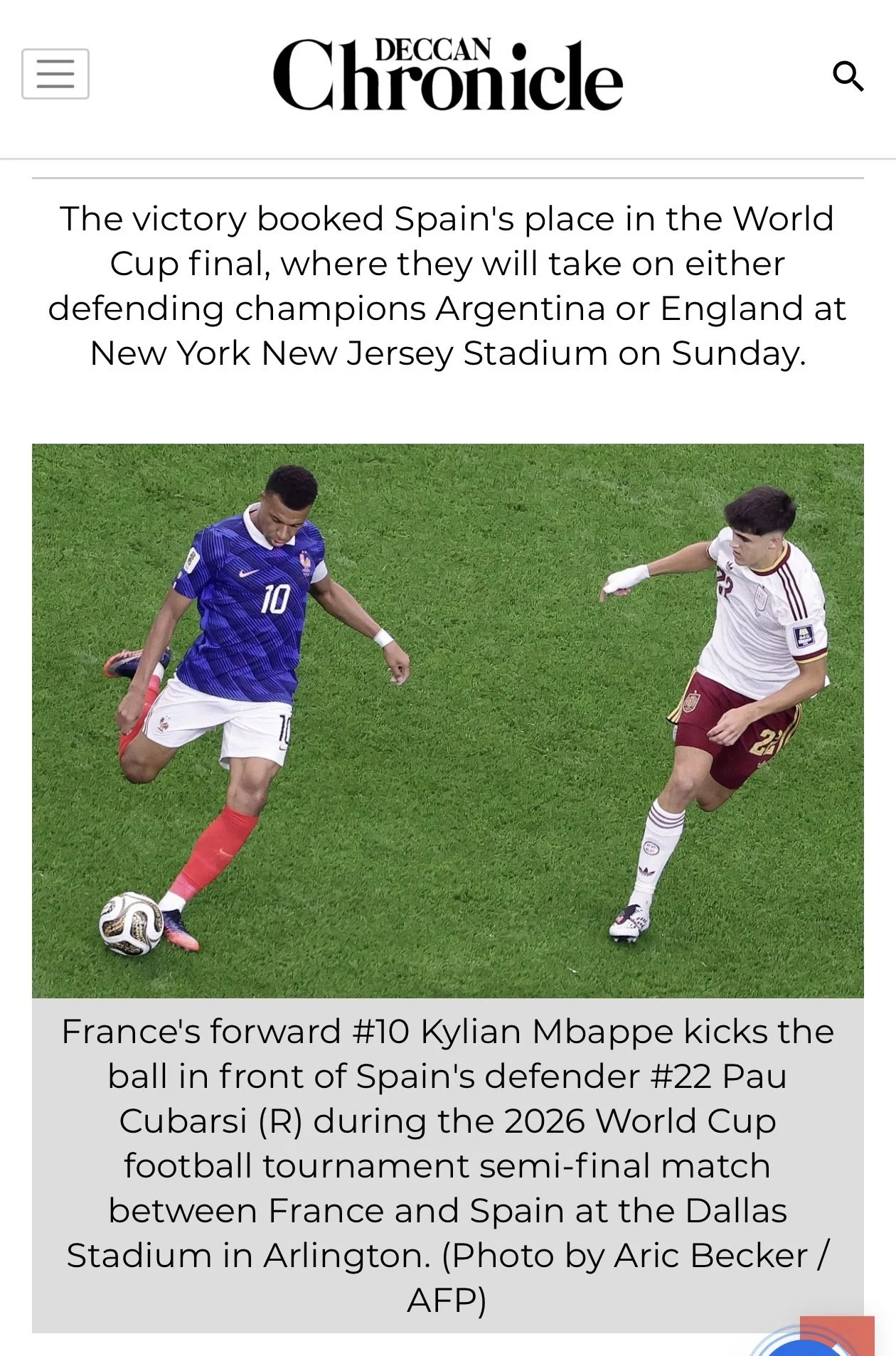
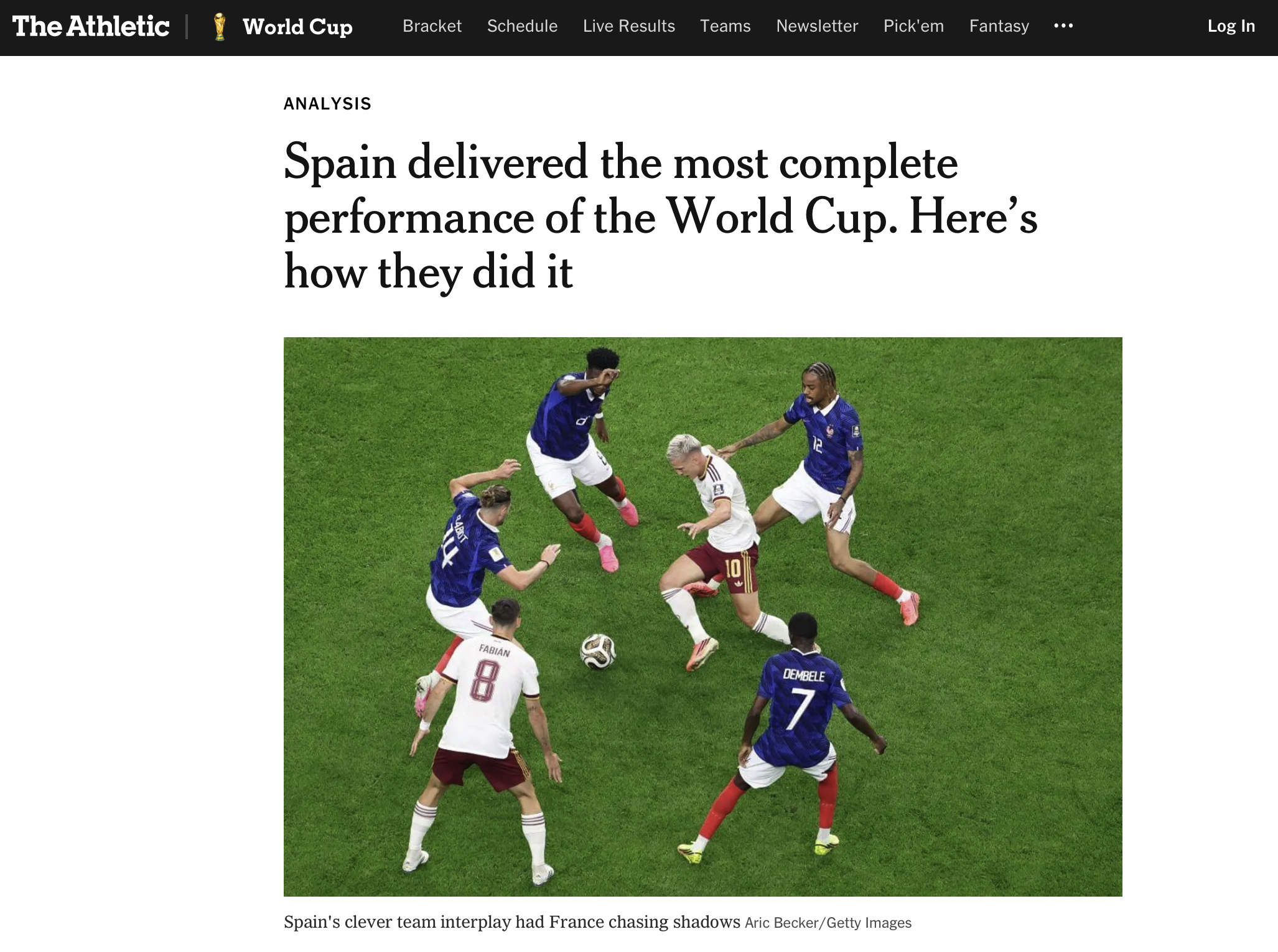
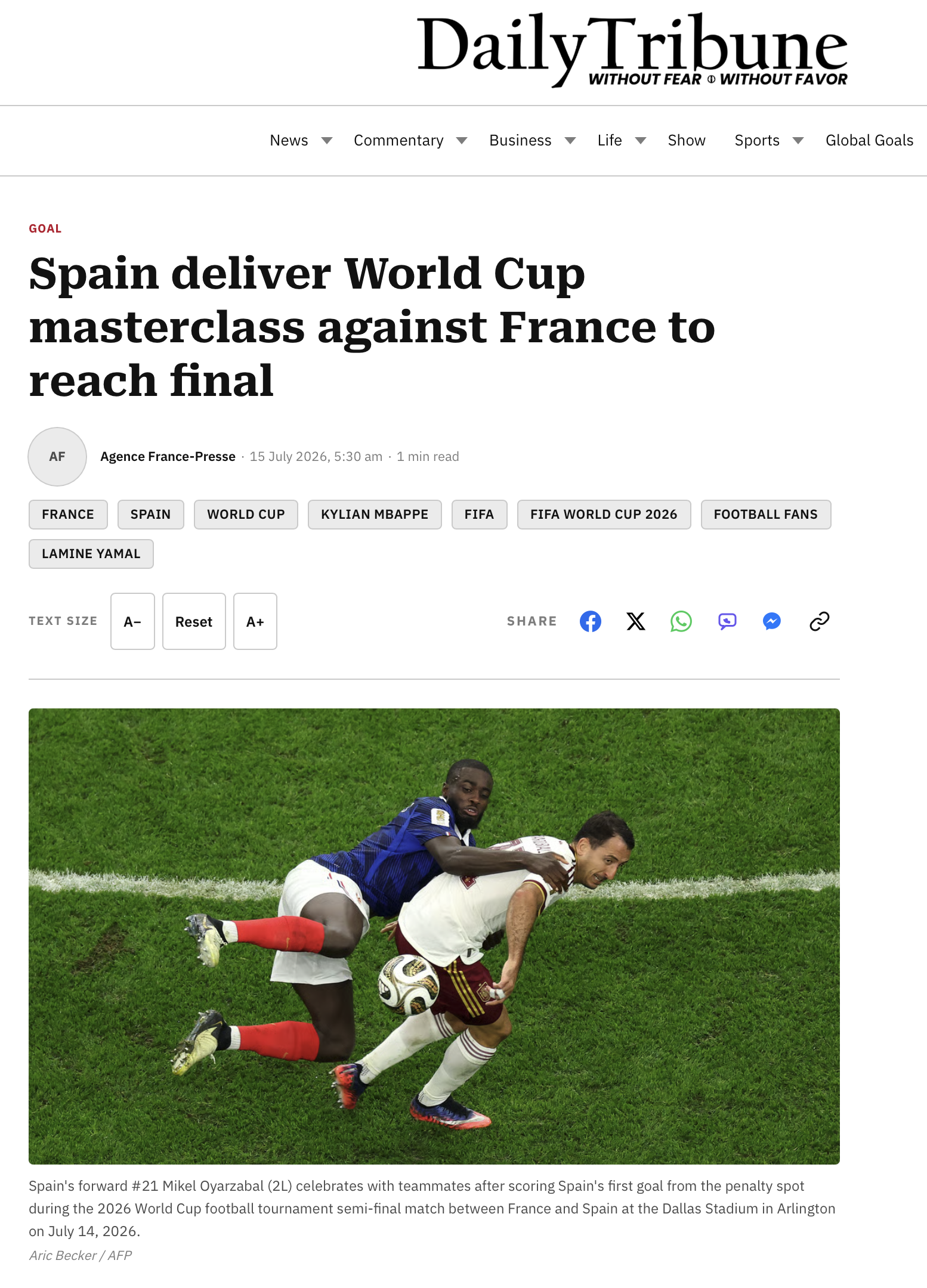
A few other publications that used my images.
Behind the Scenes
The photographs from the matches only tell part of the story.
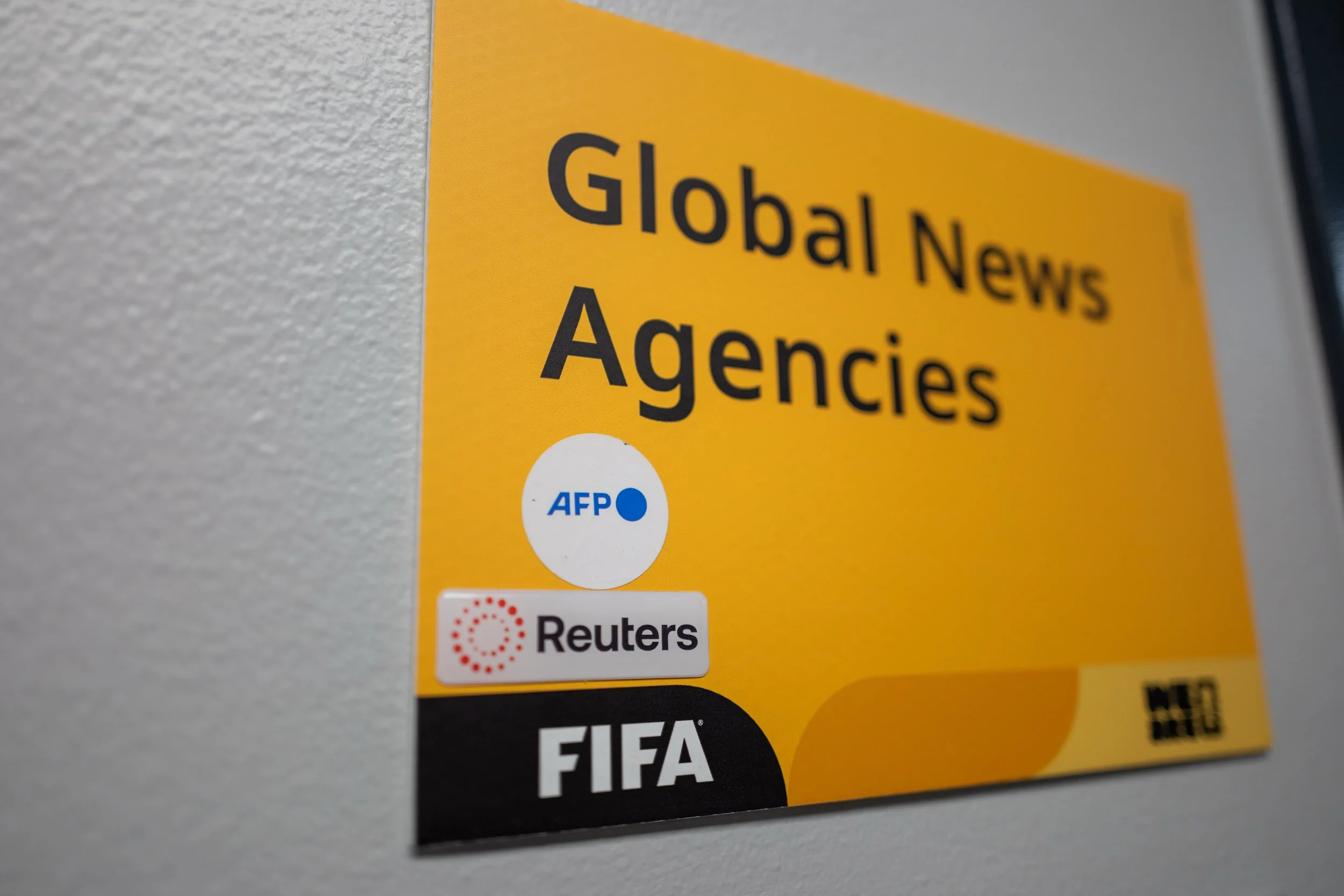
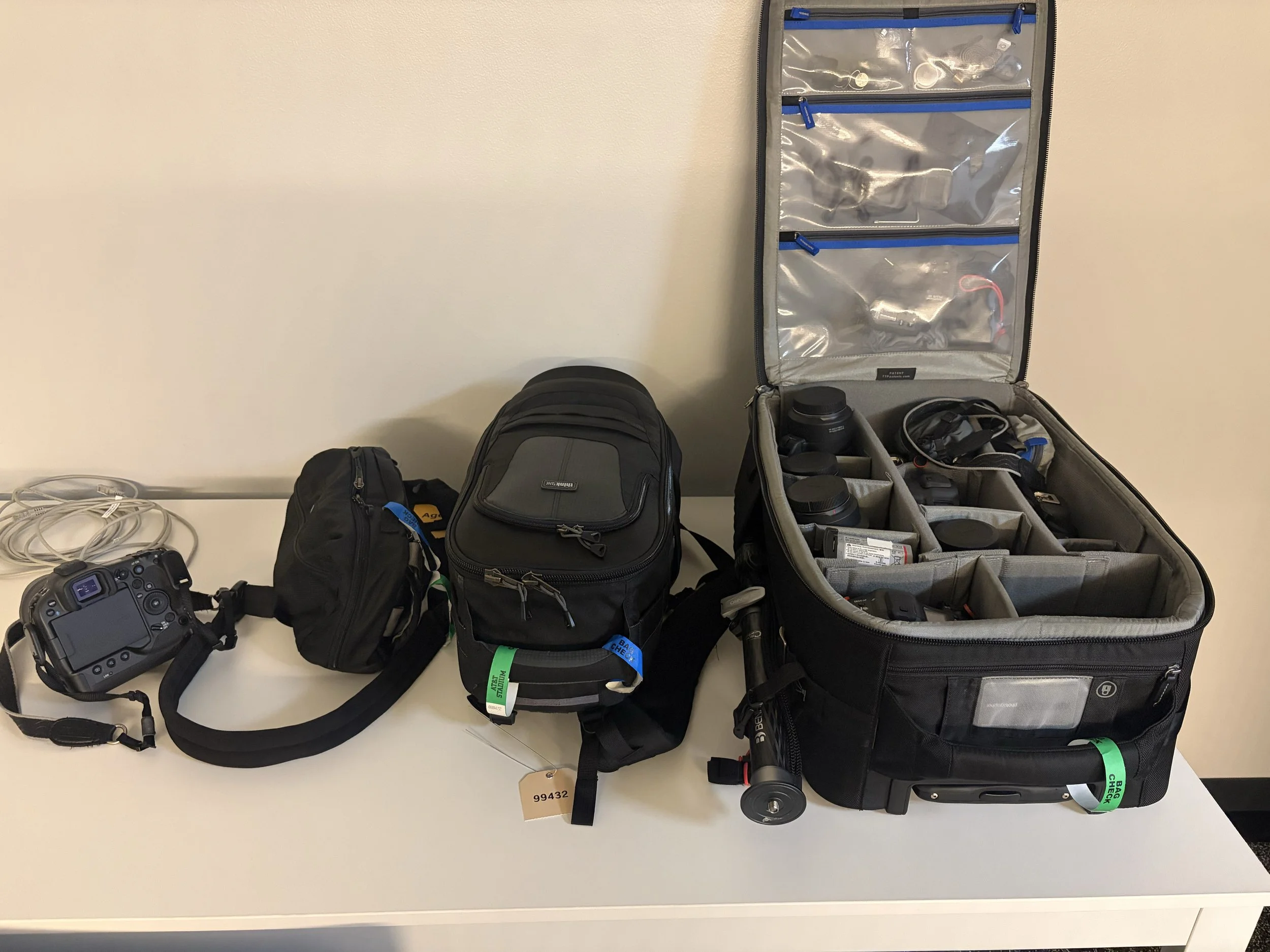
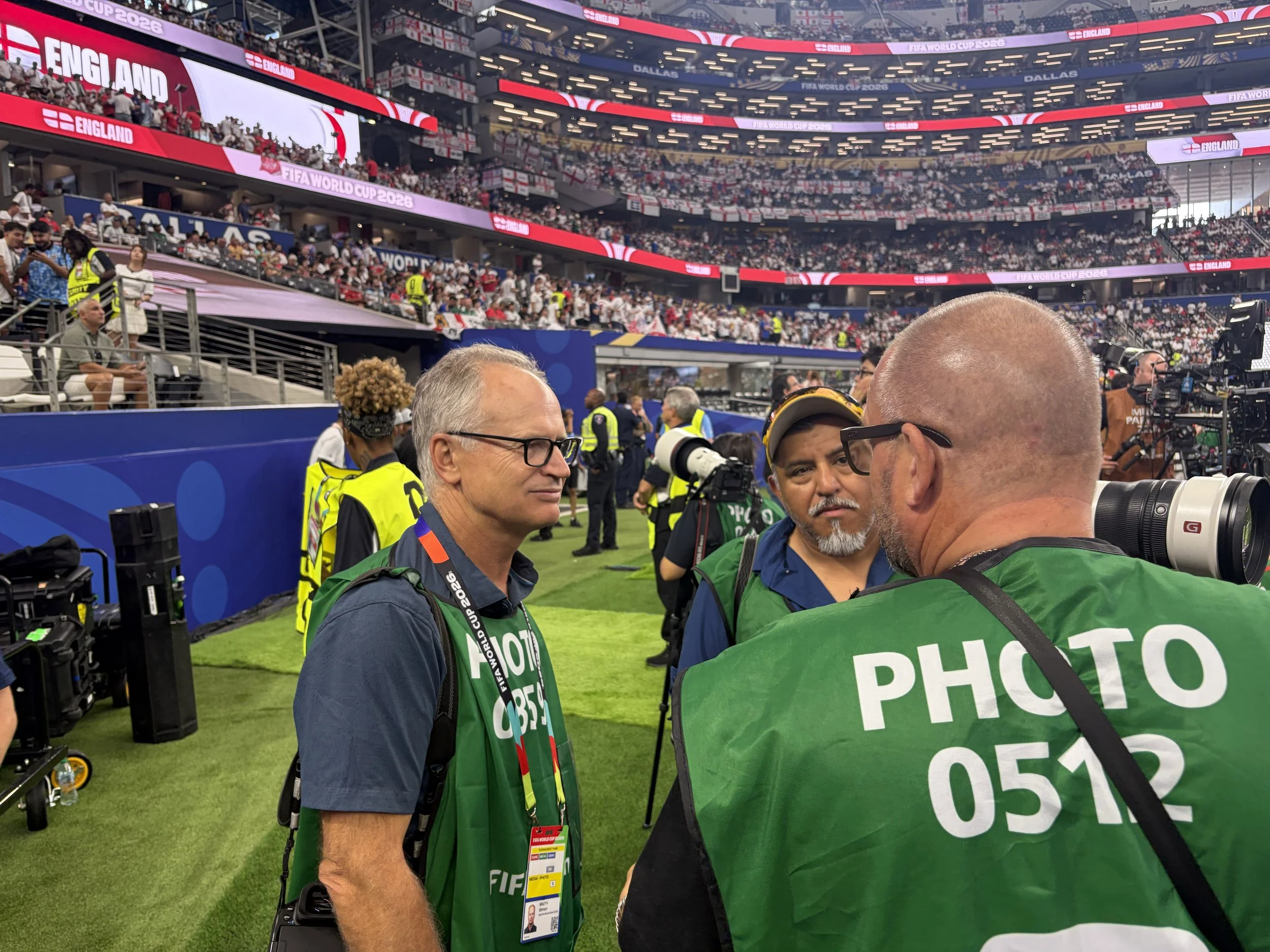
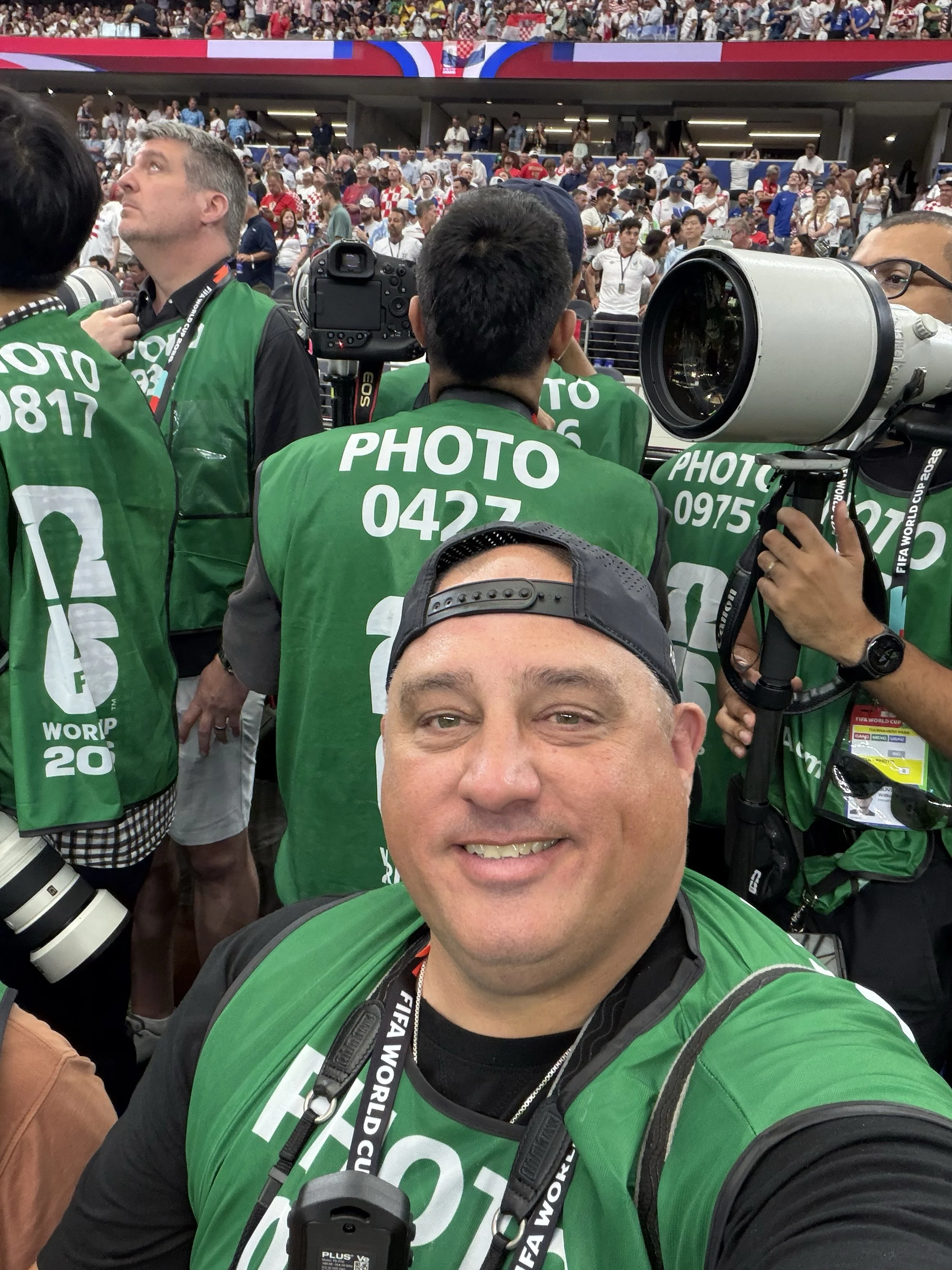
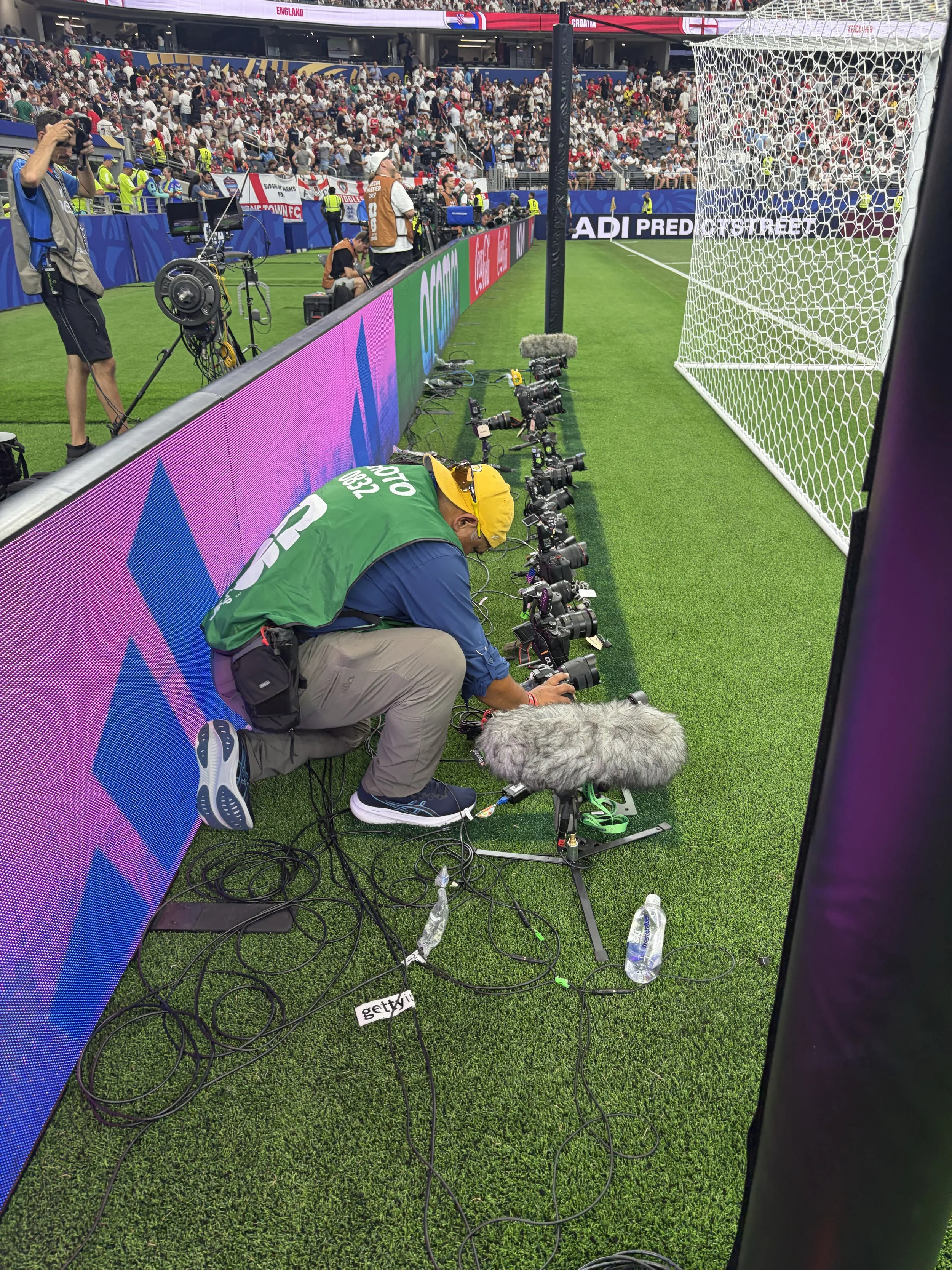
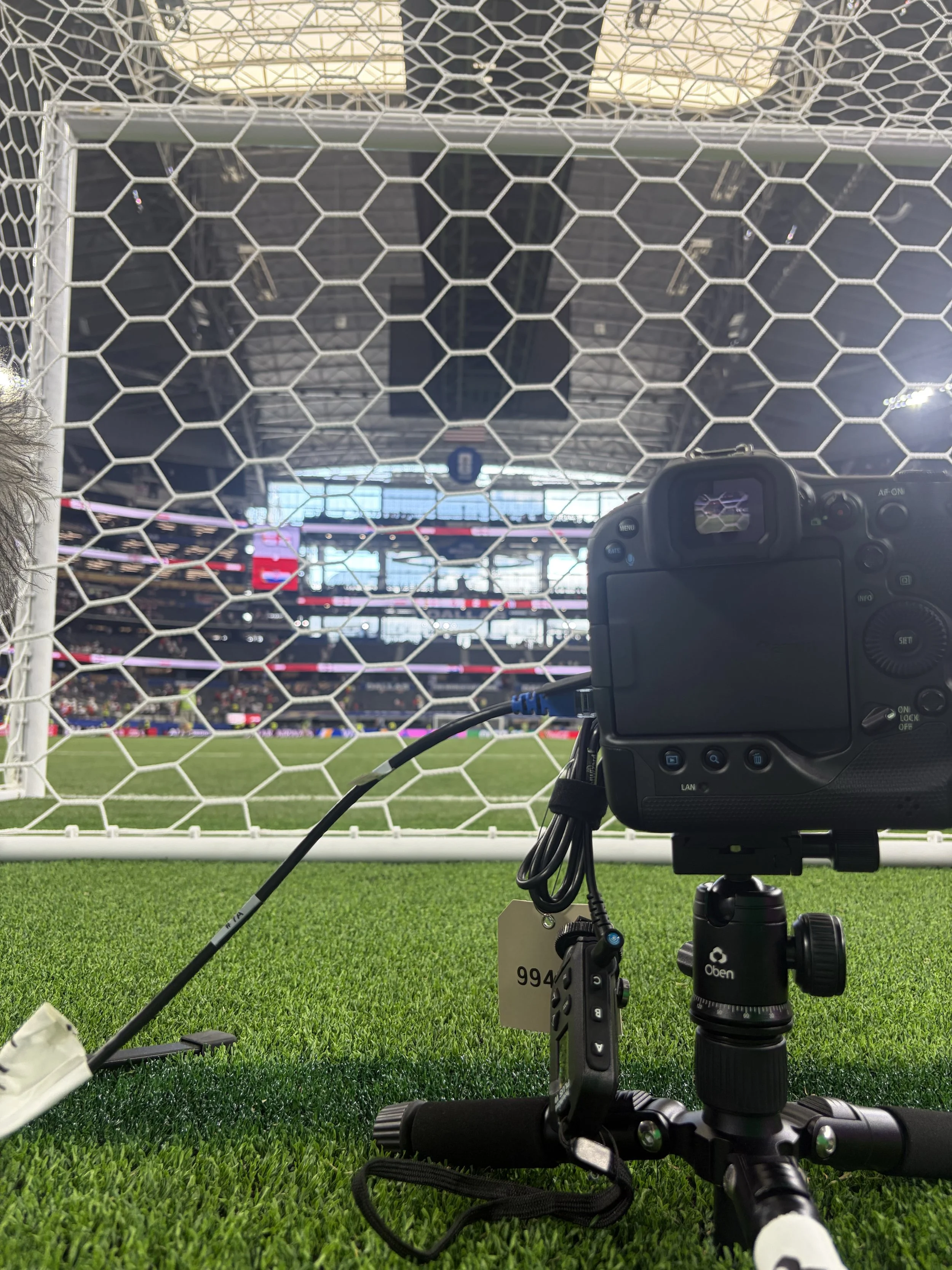
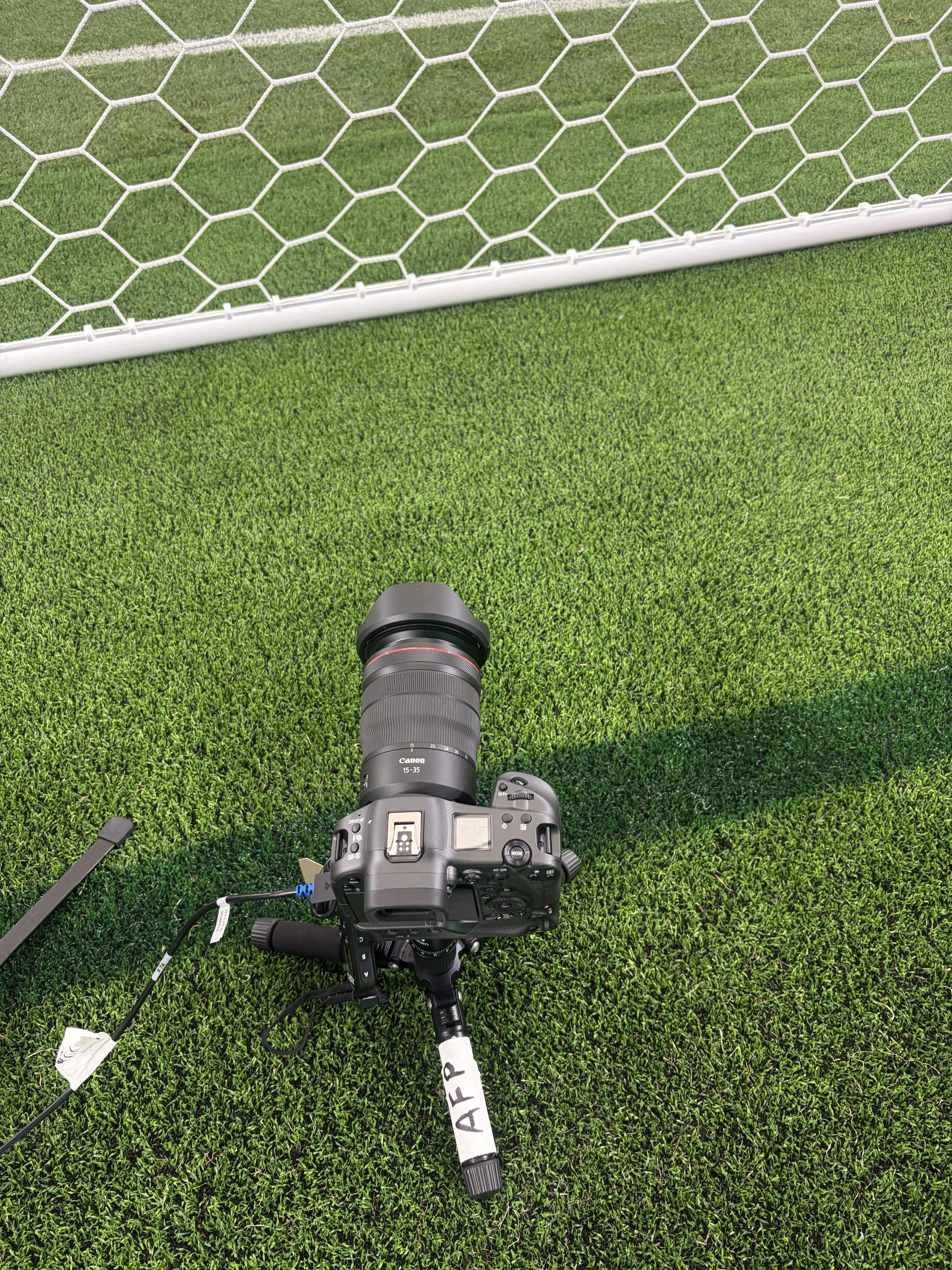
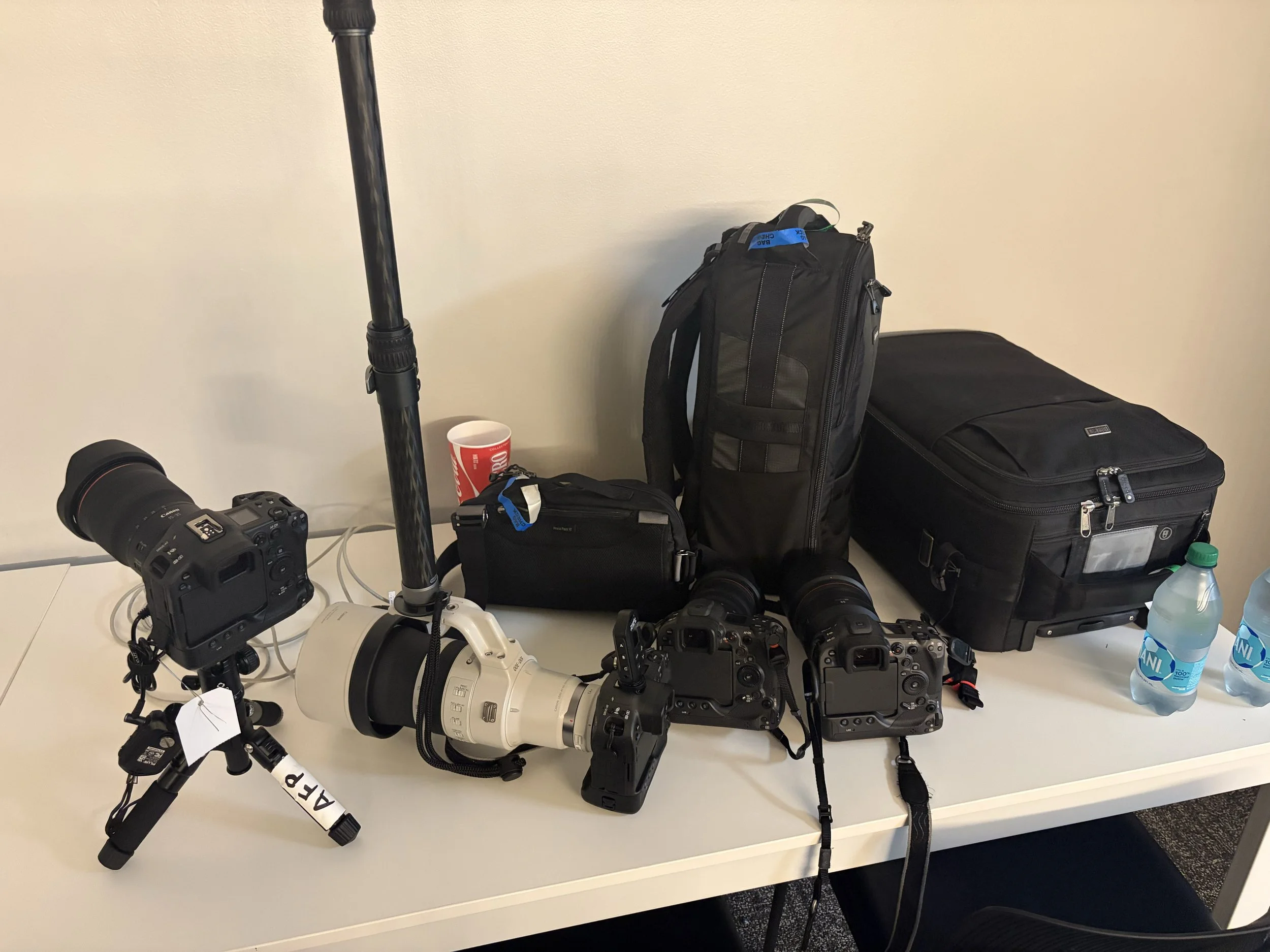
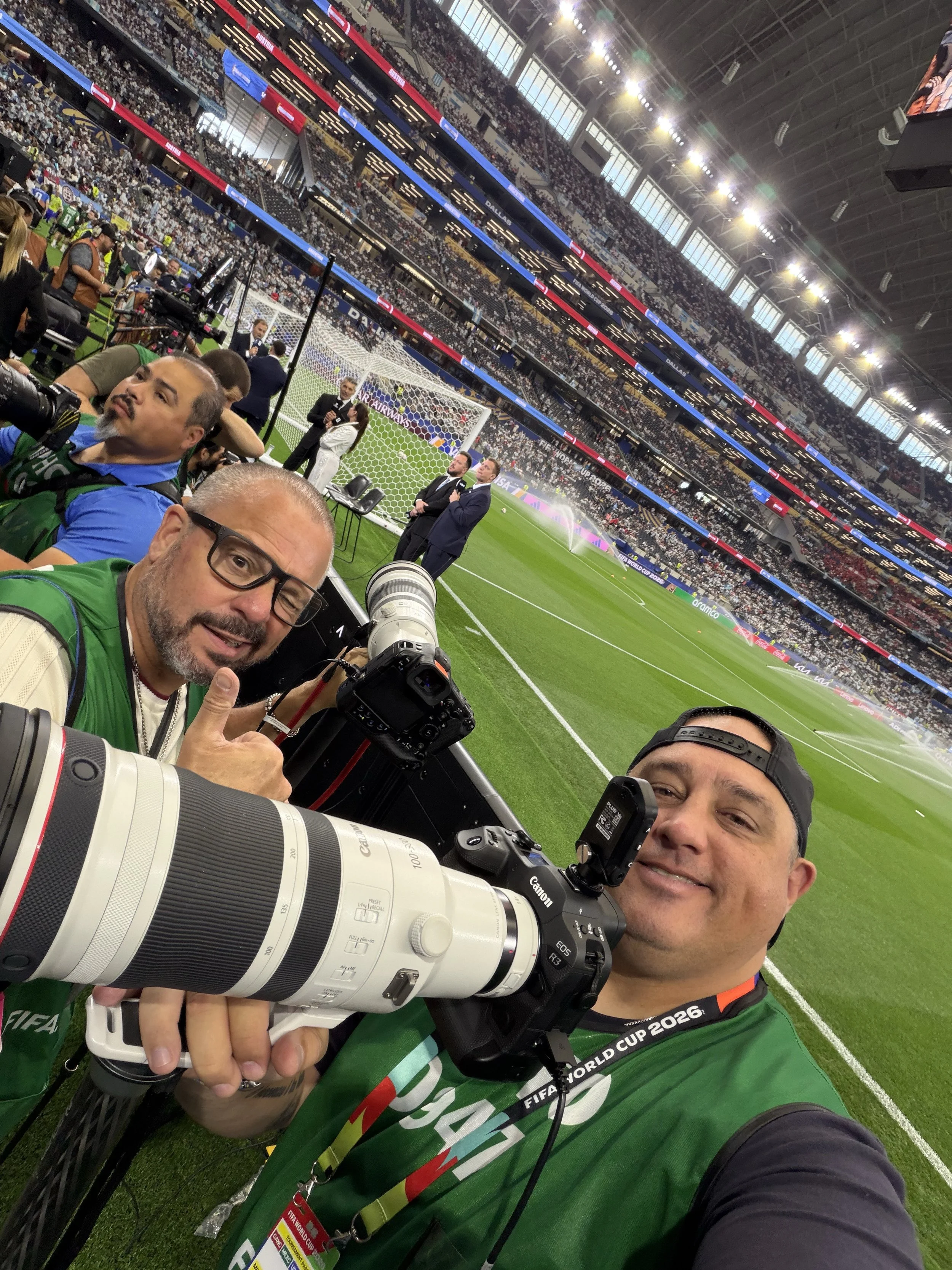
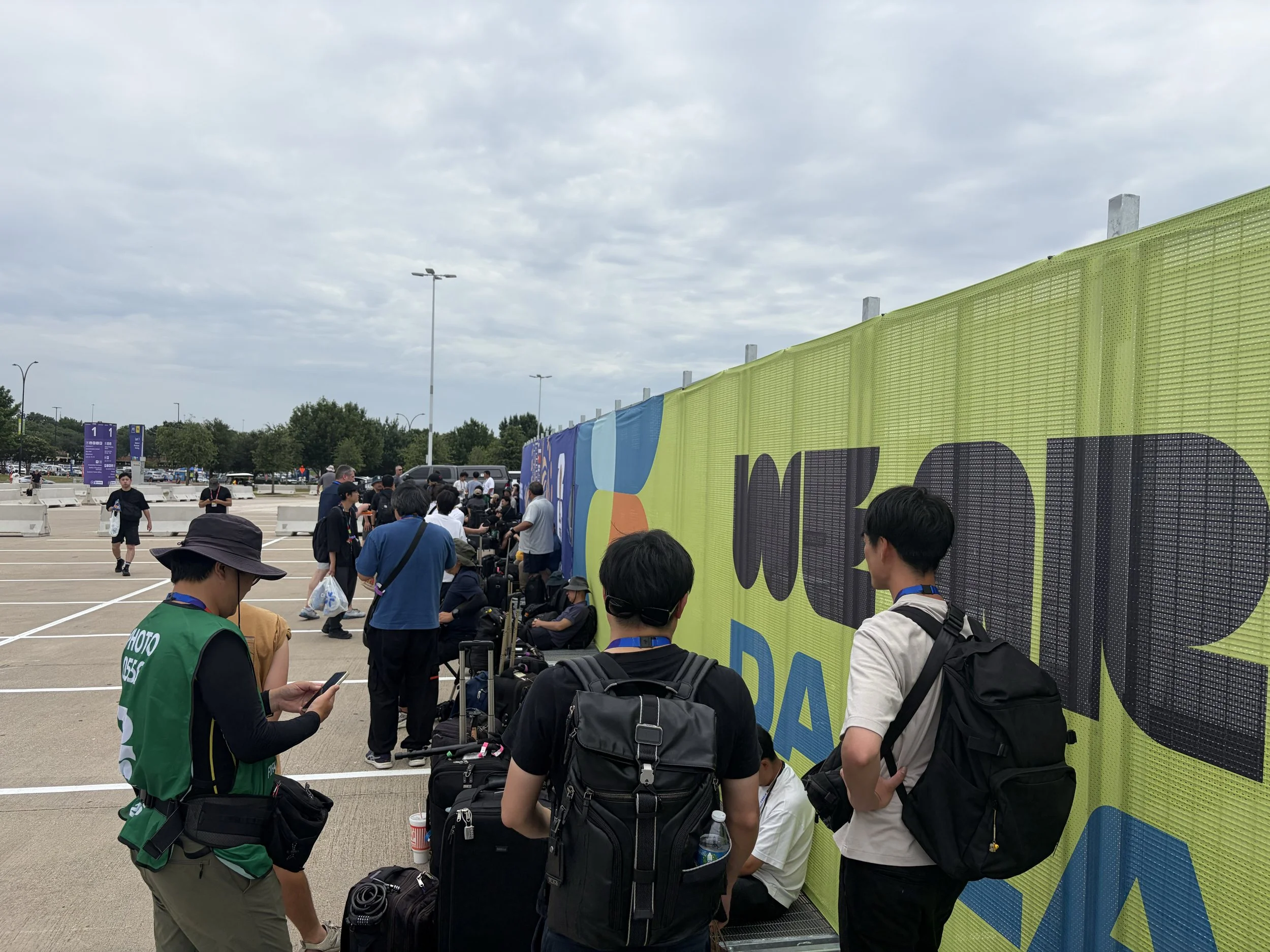
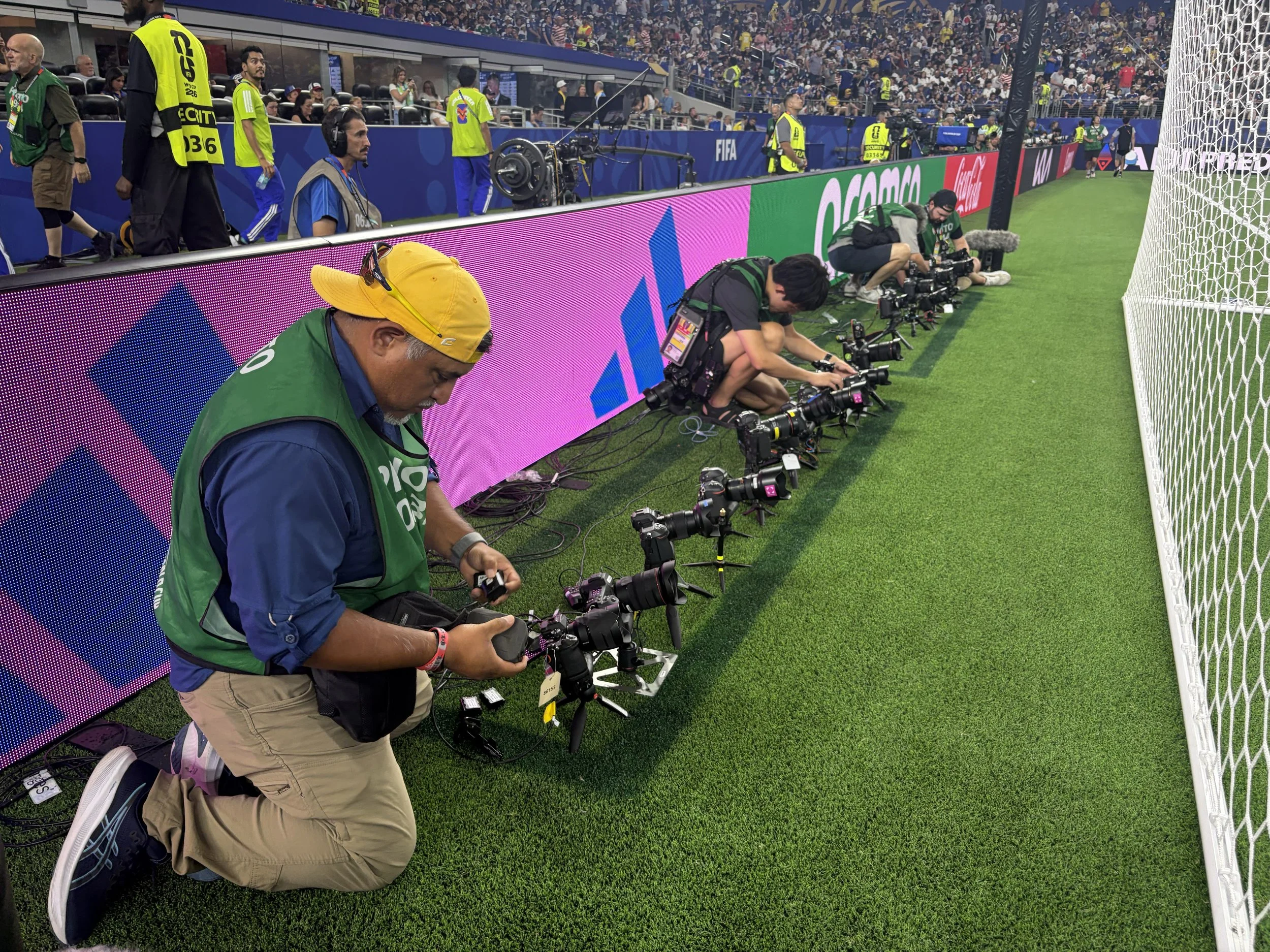
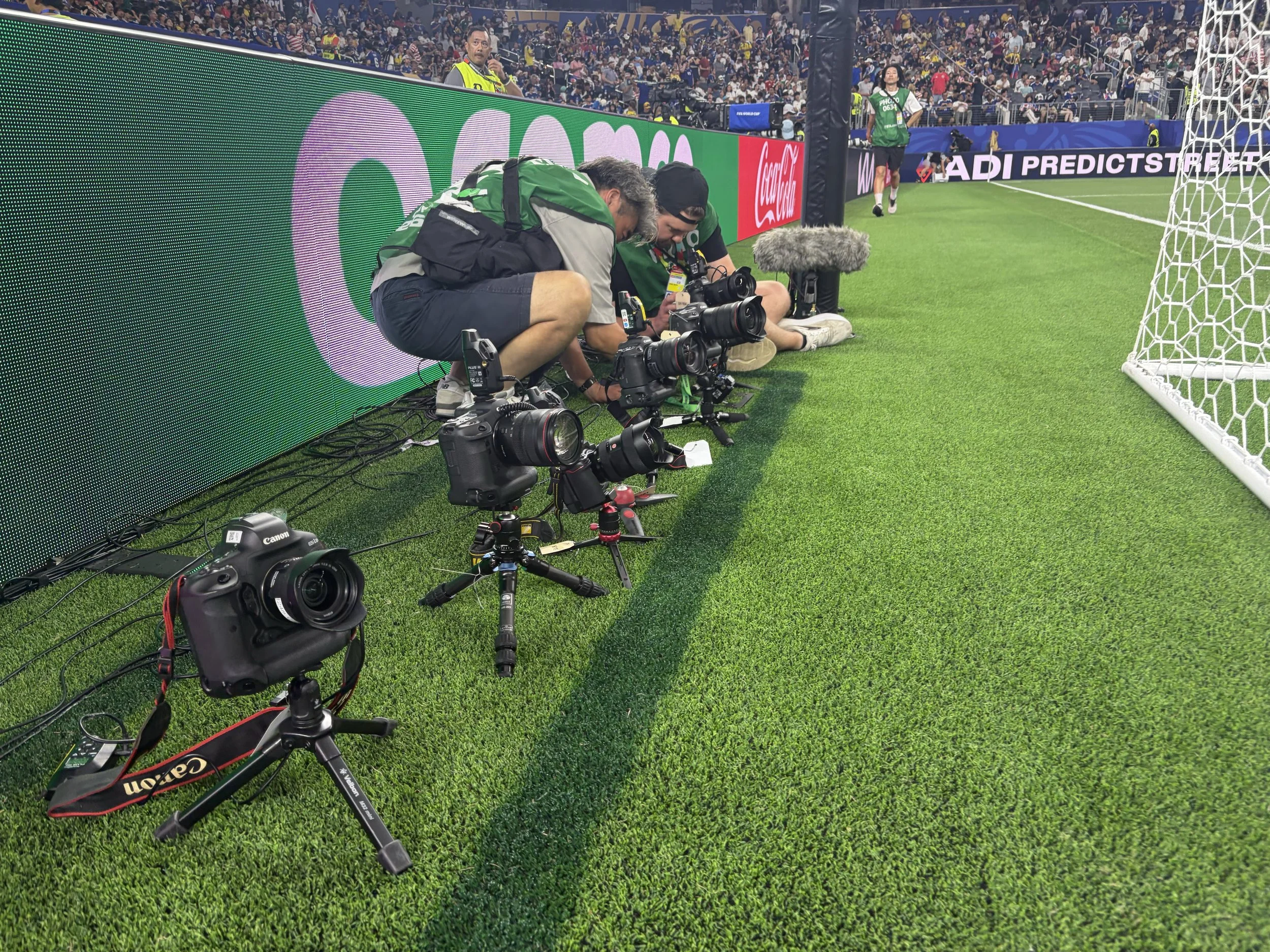
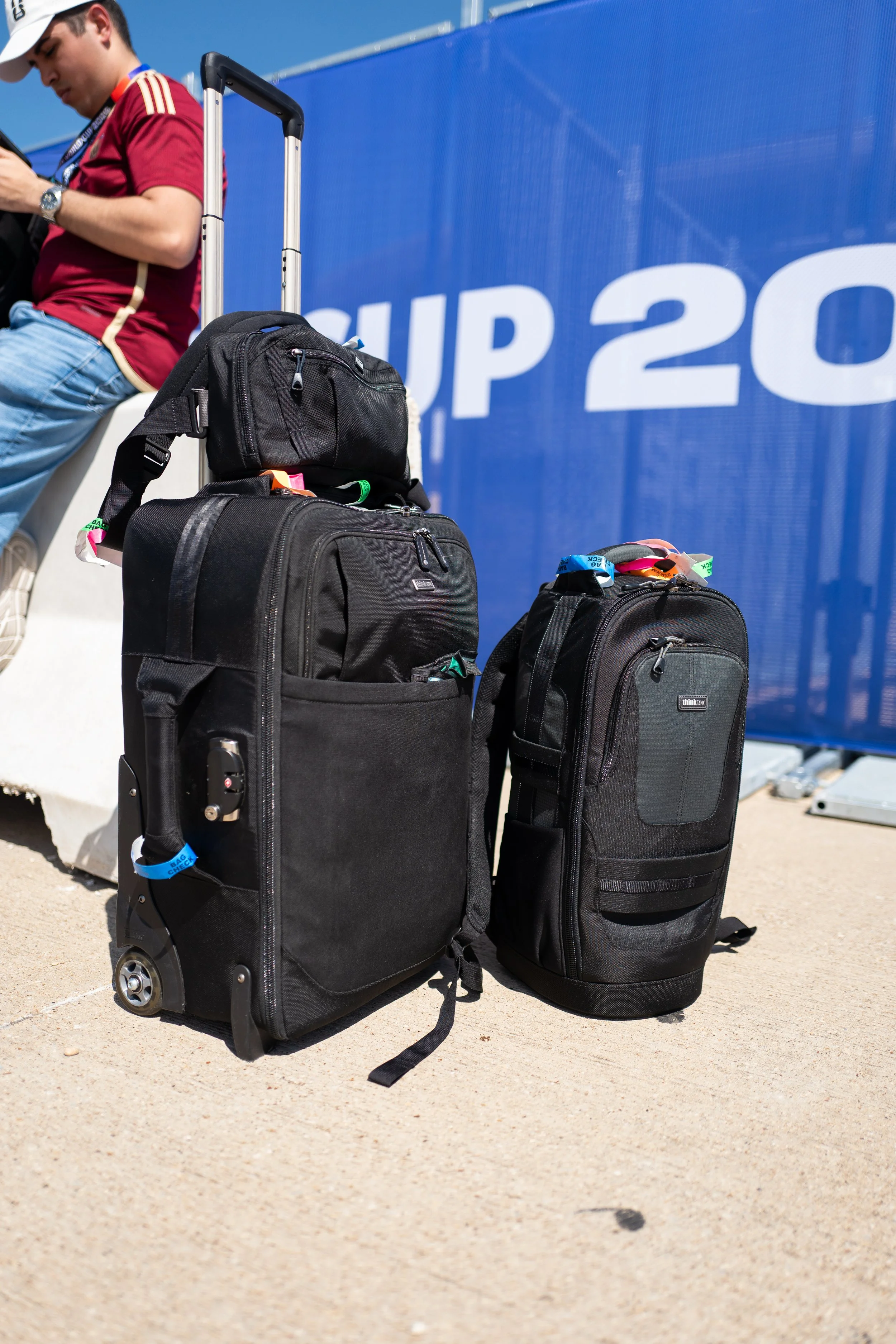
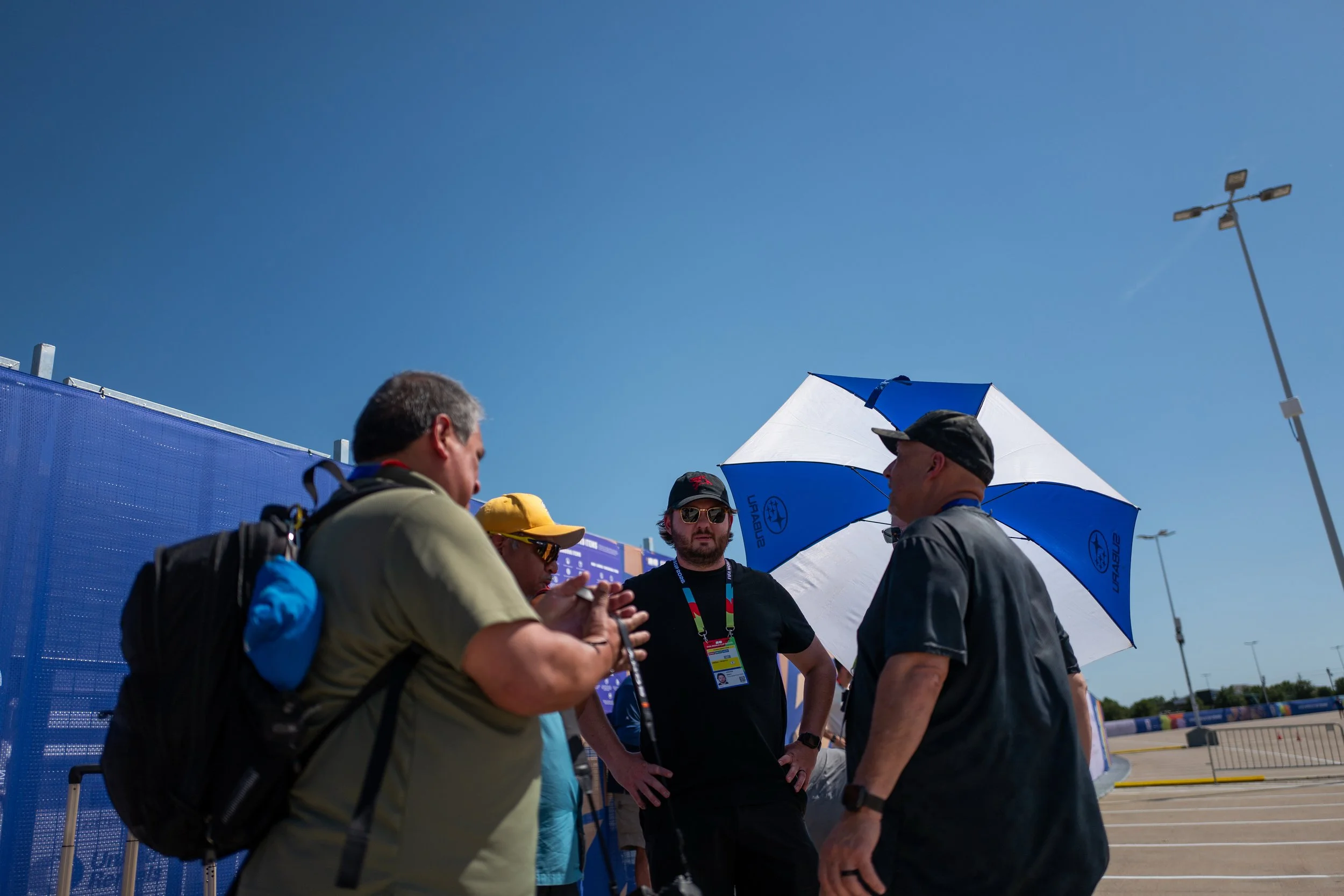
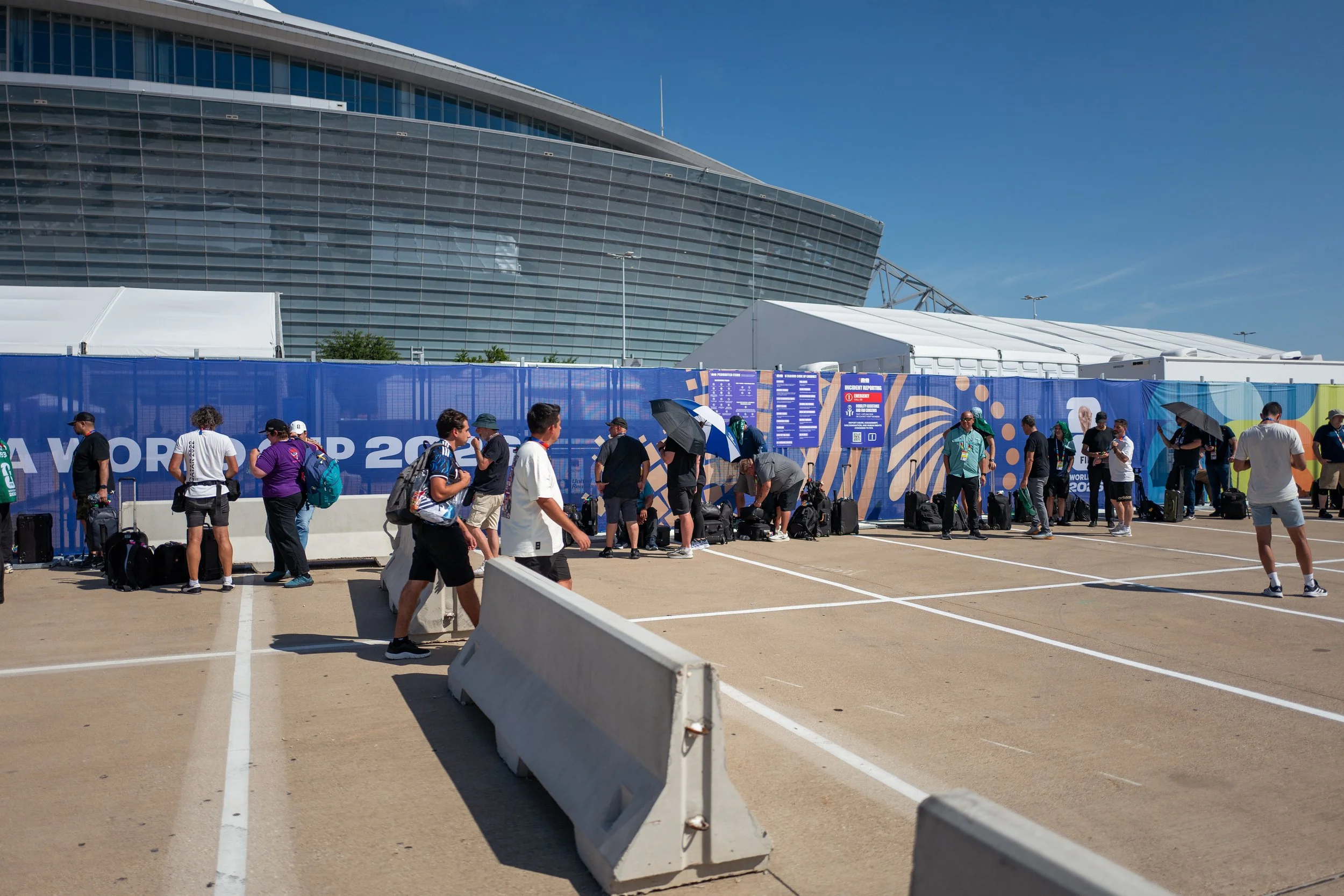
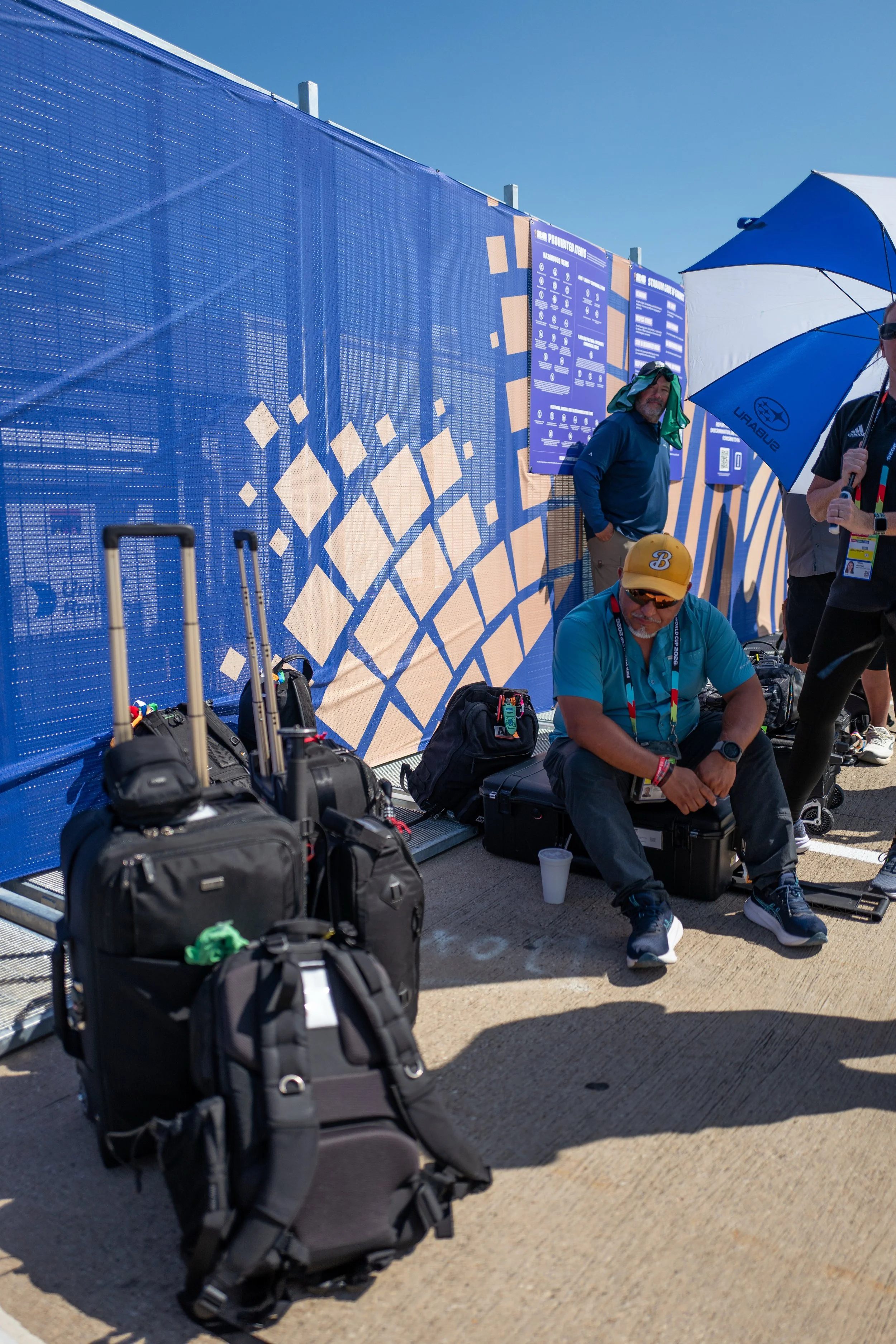
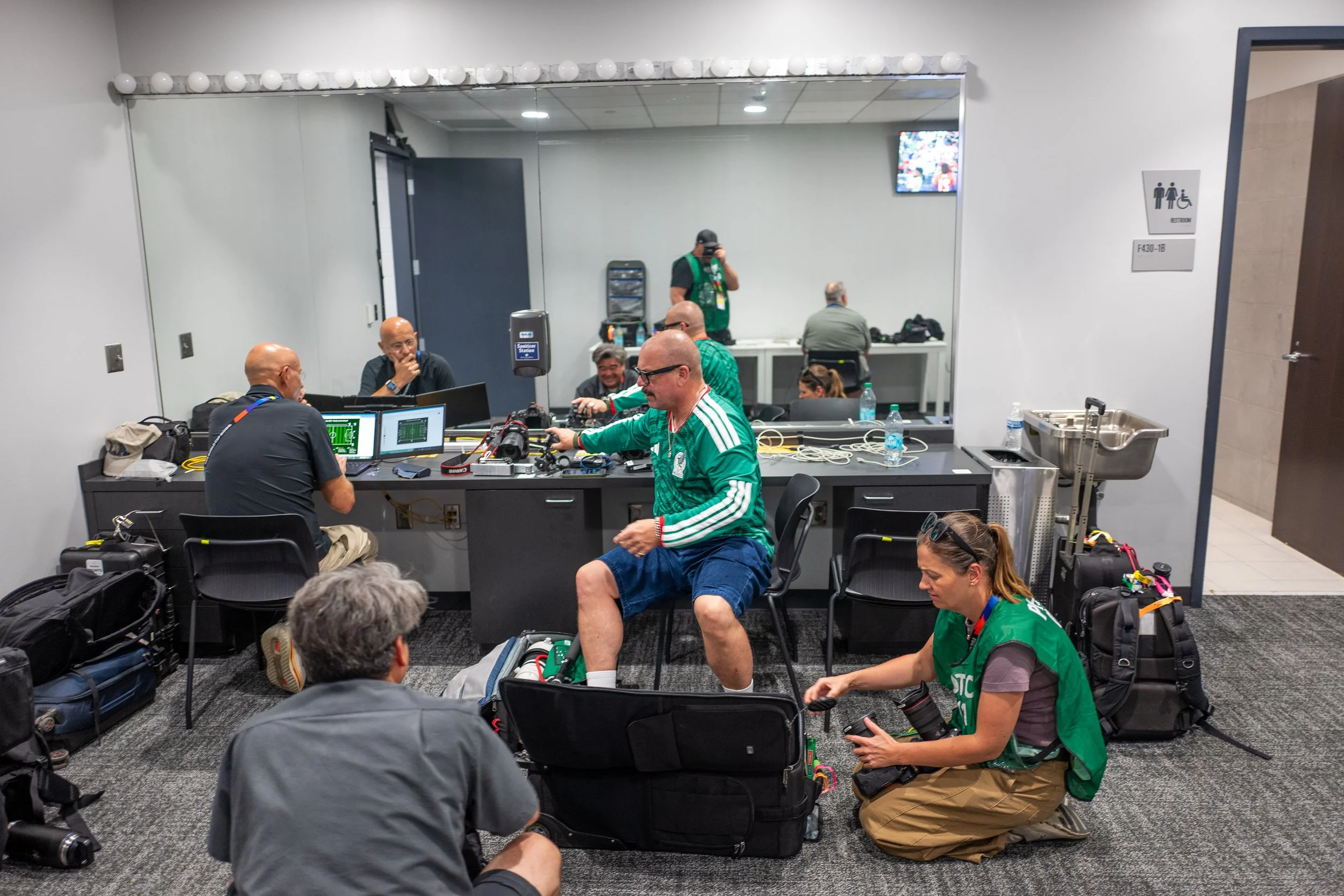
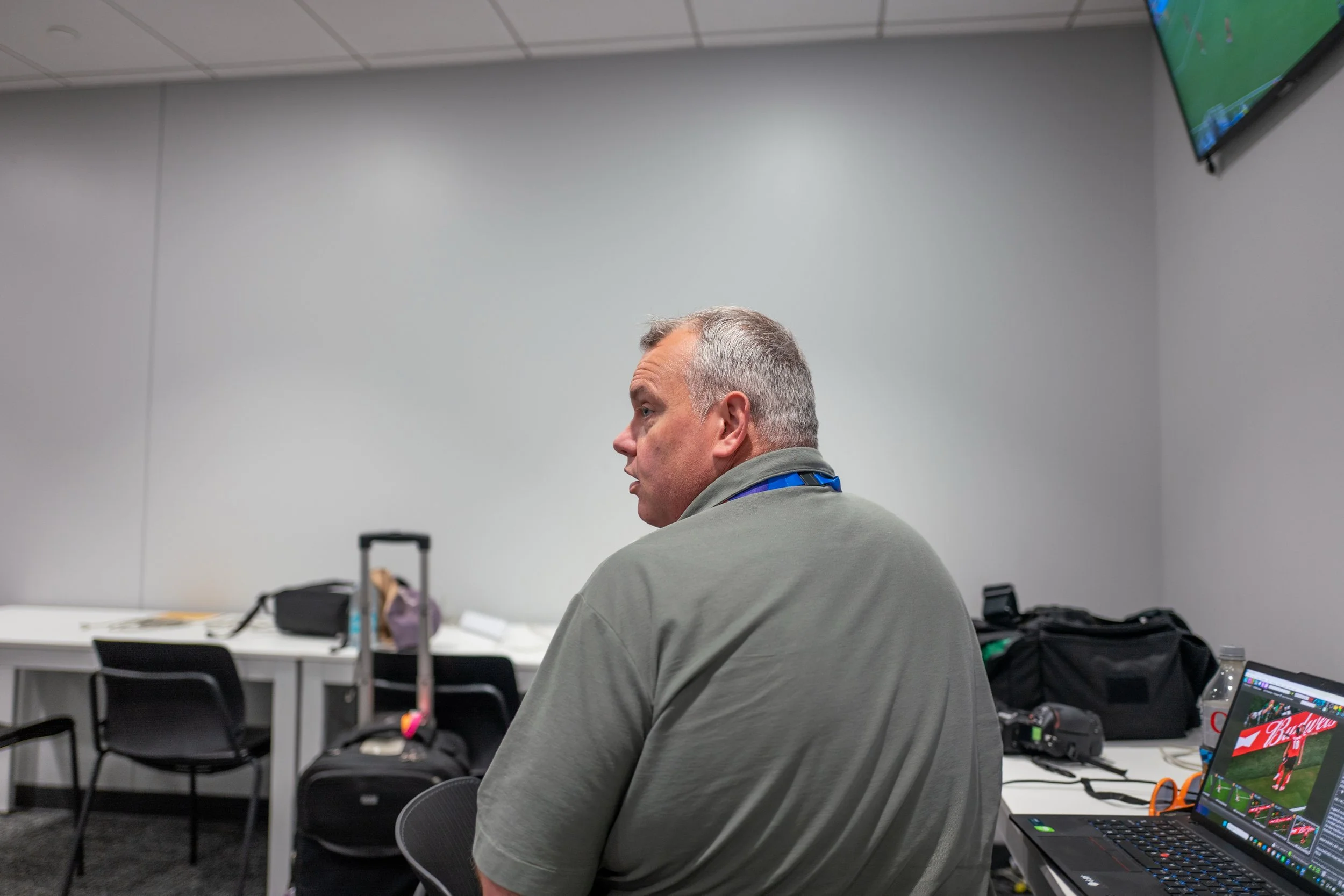
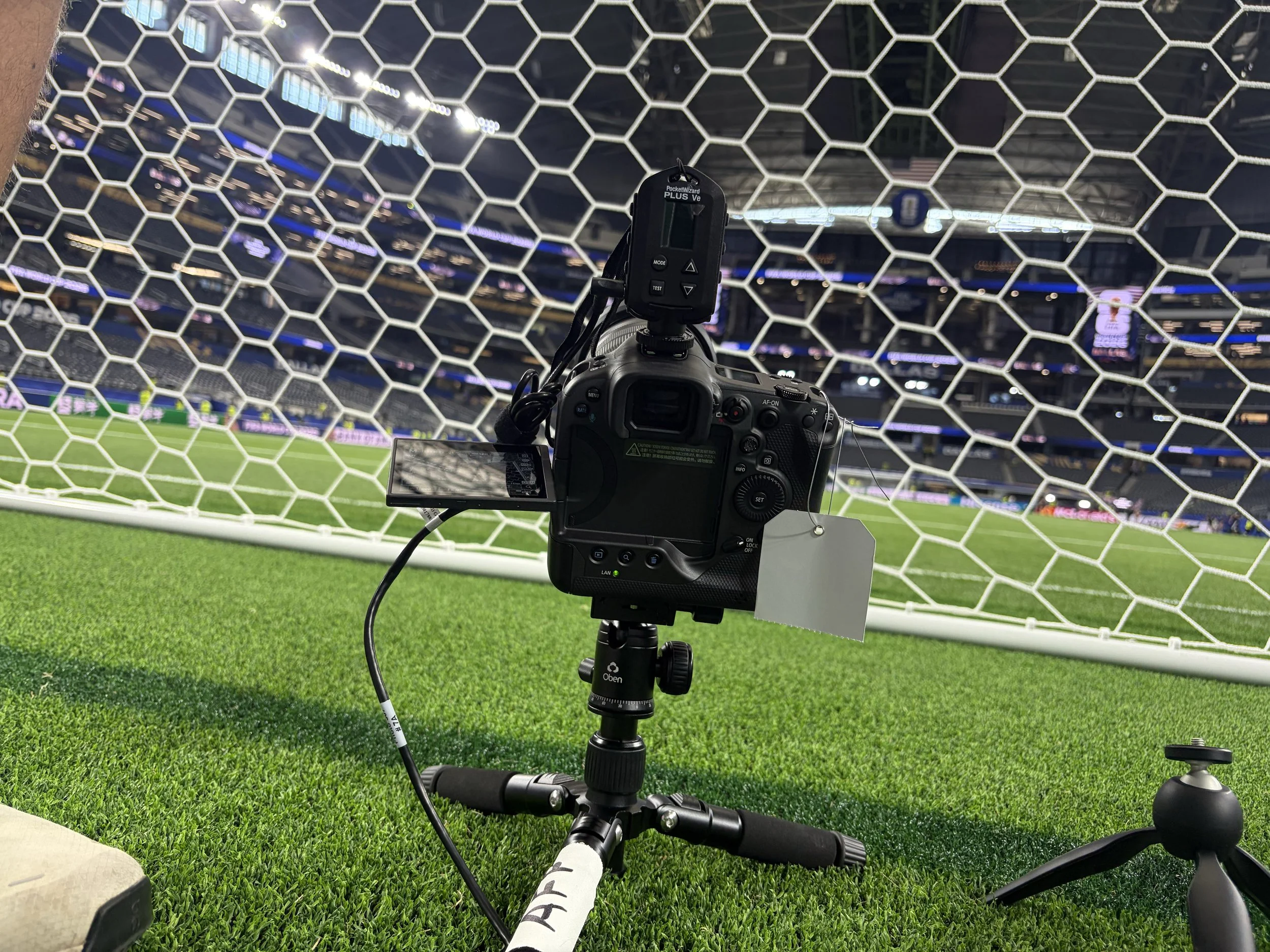
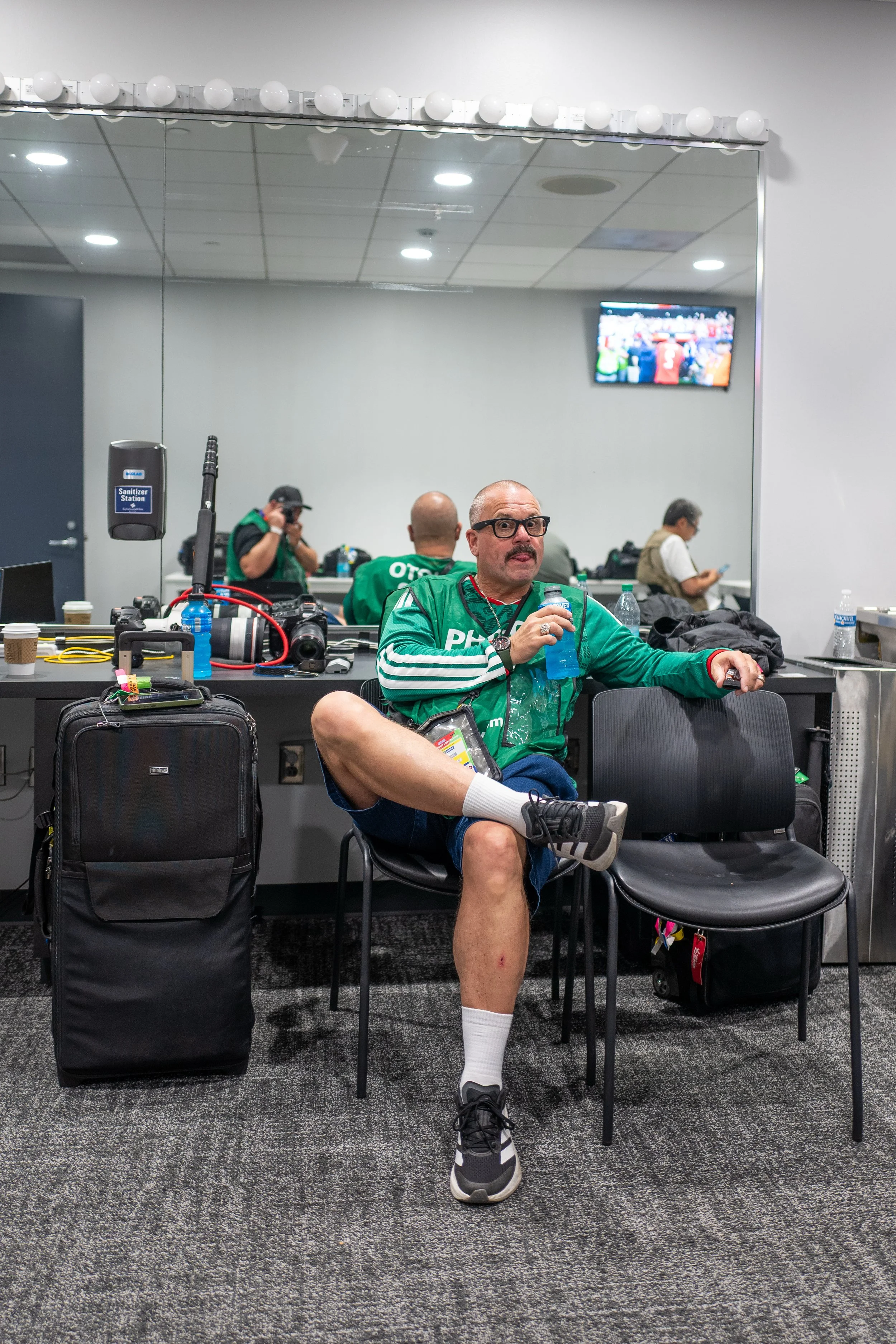
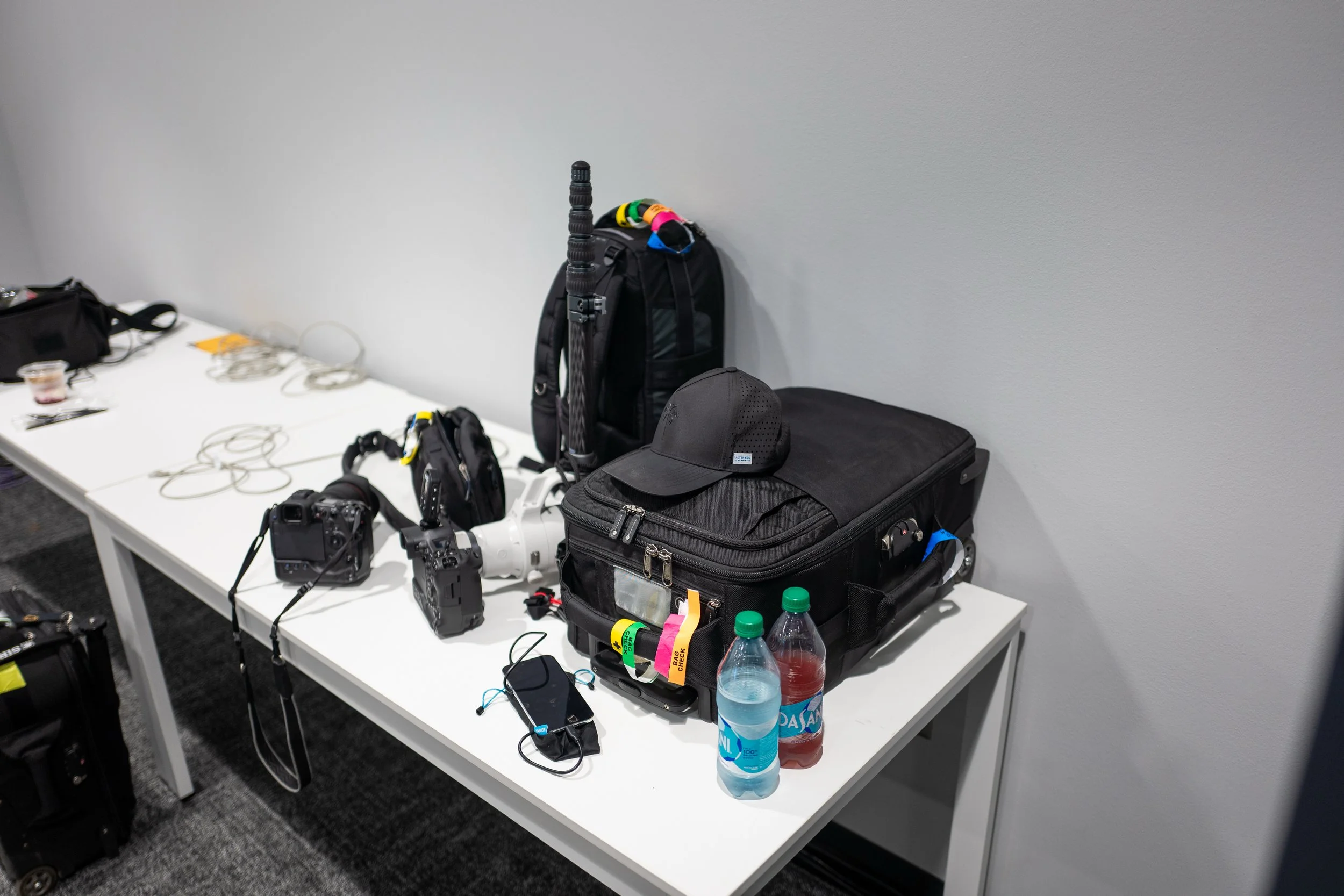
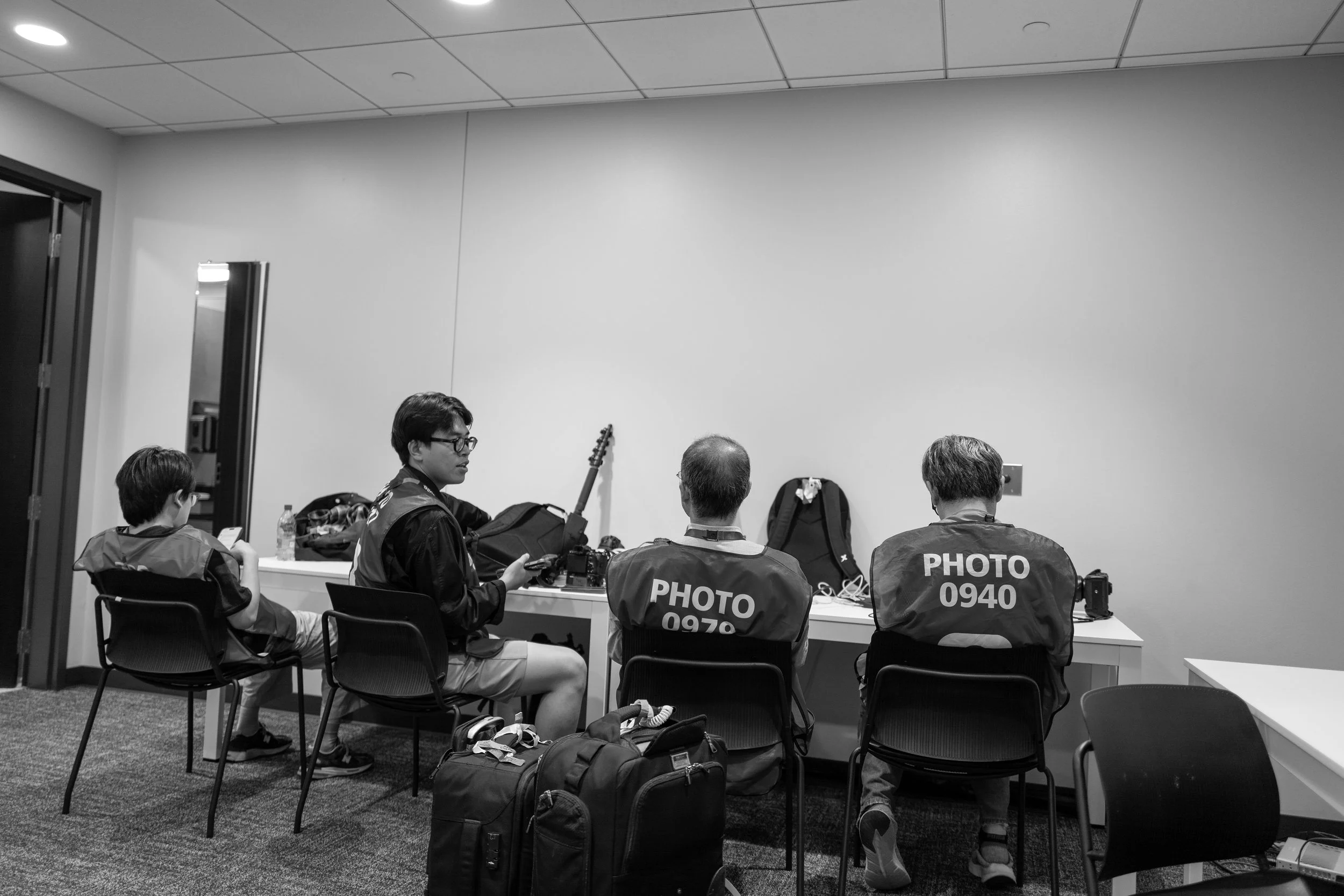
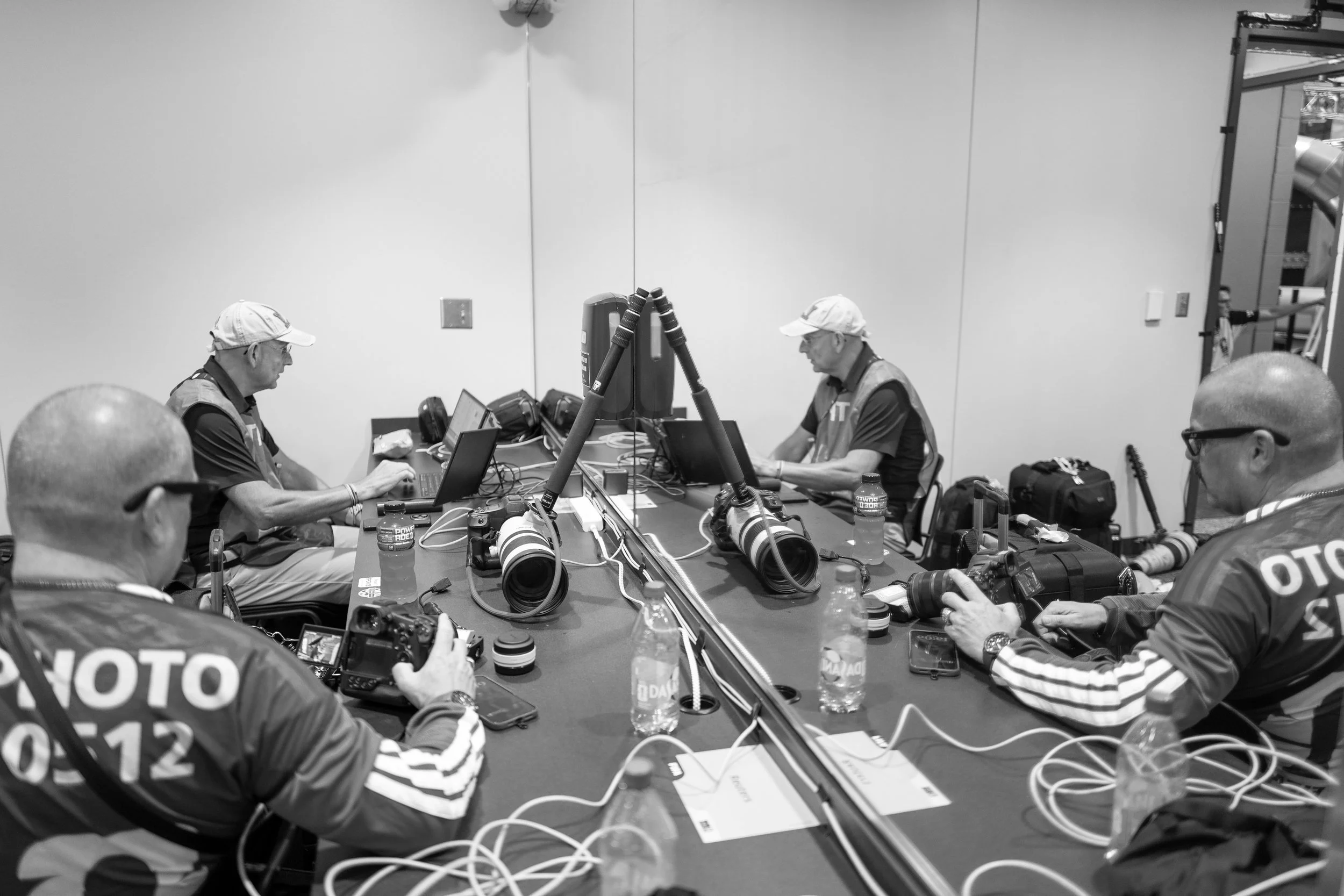
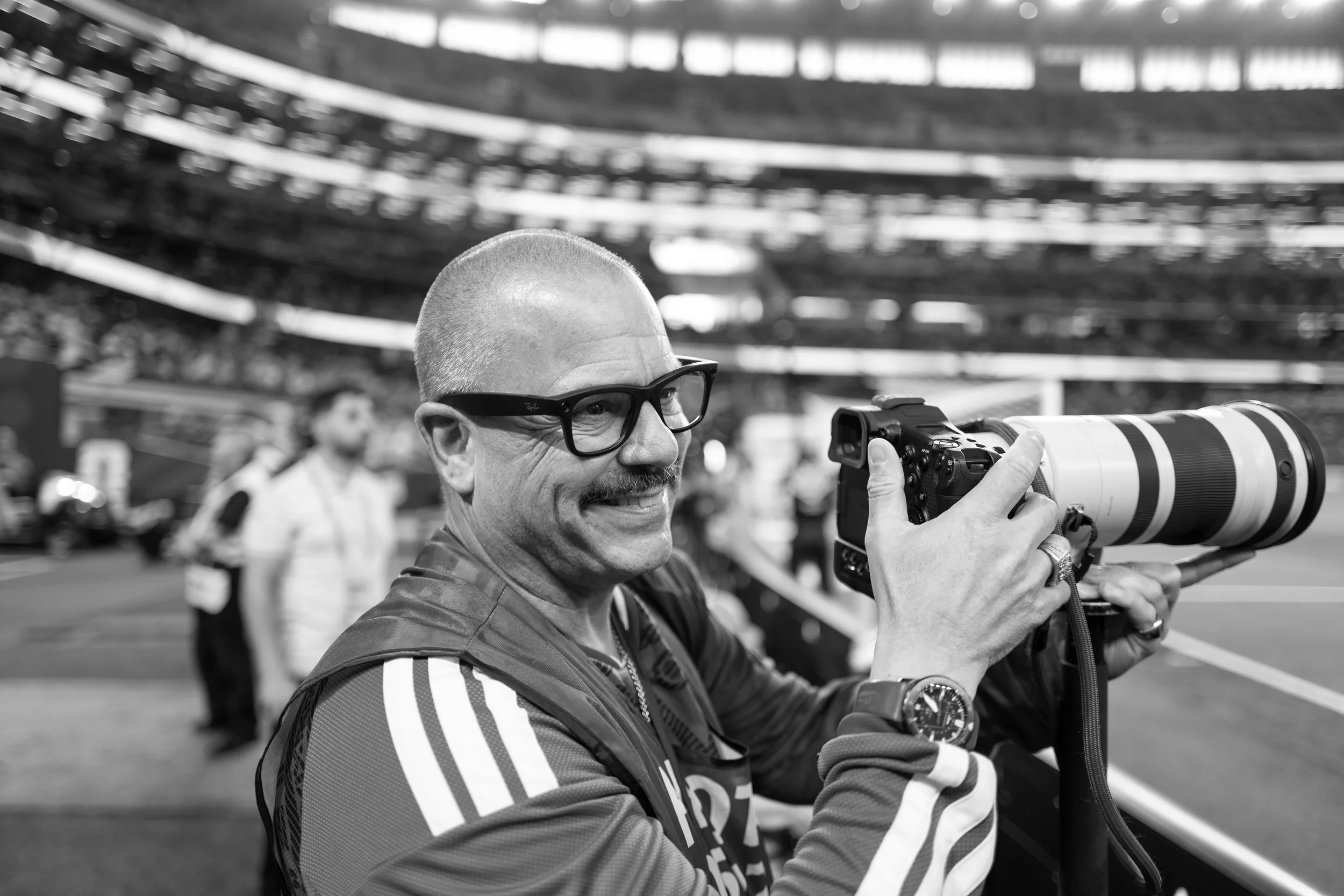
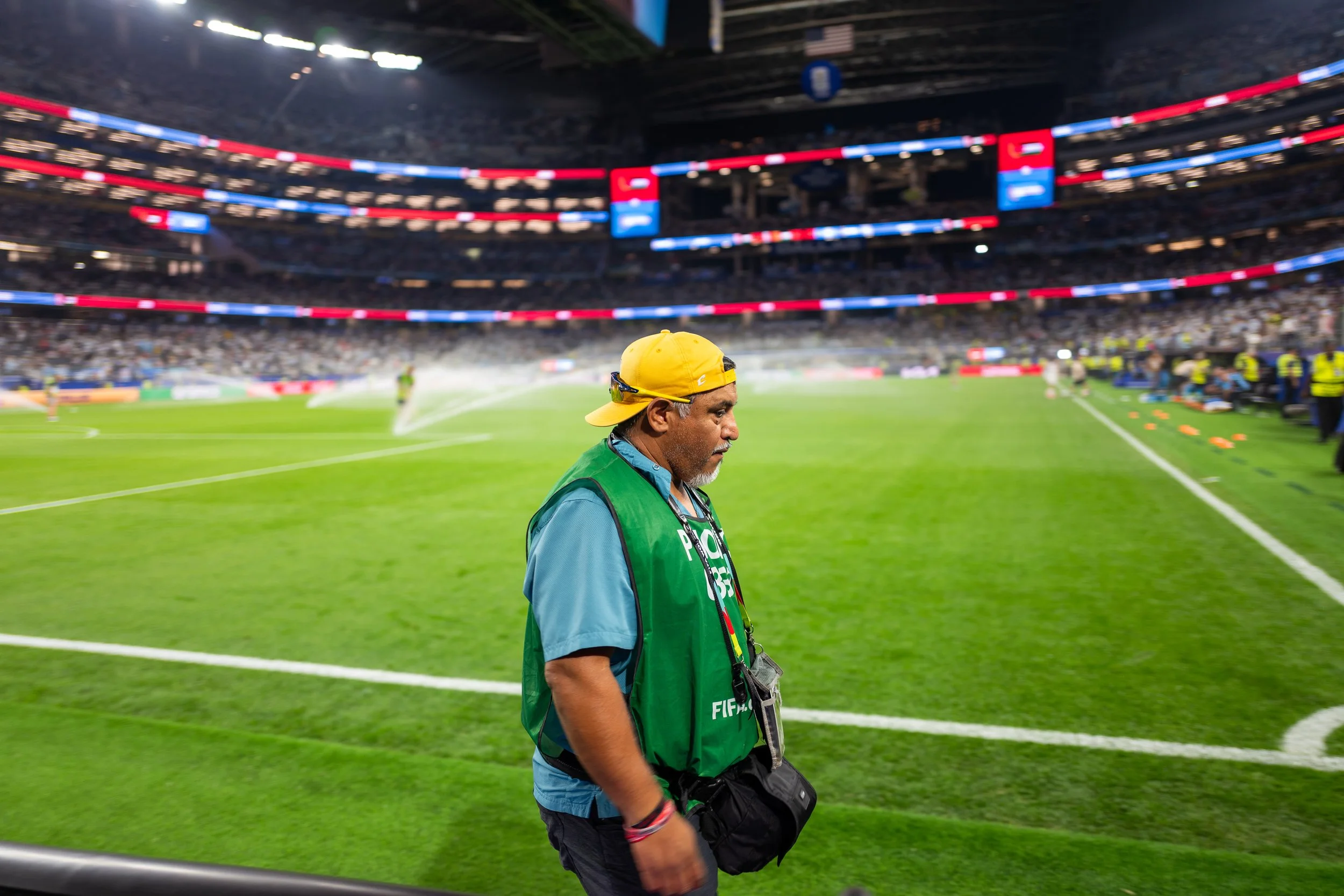
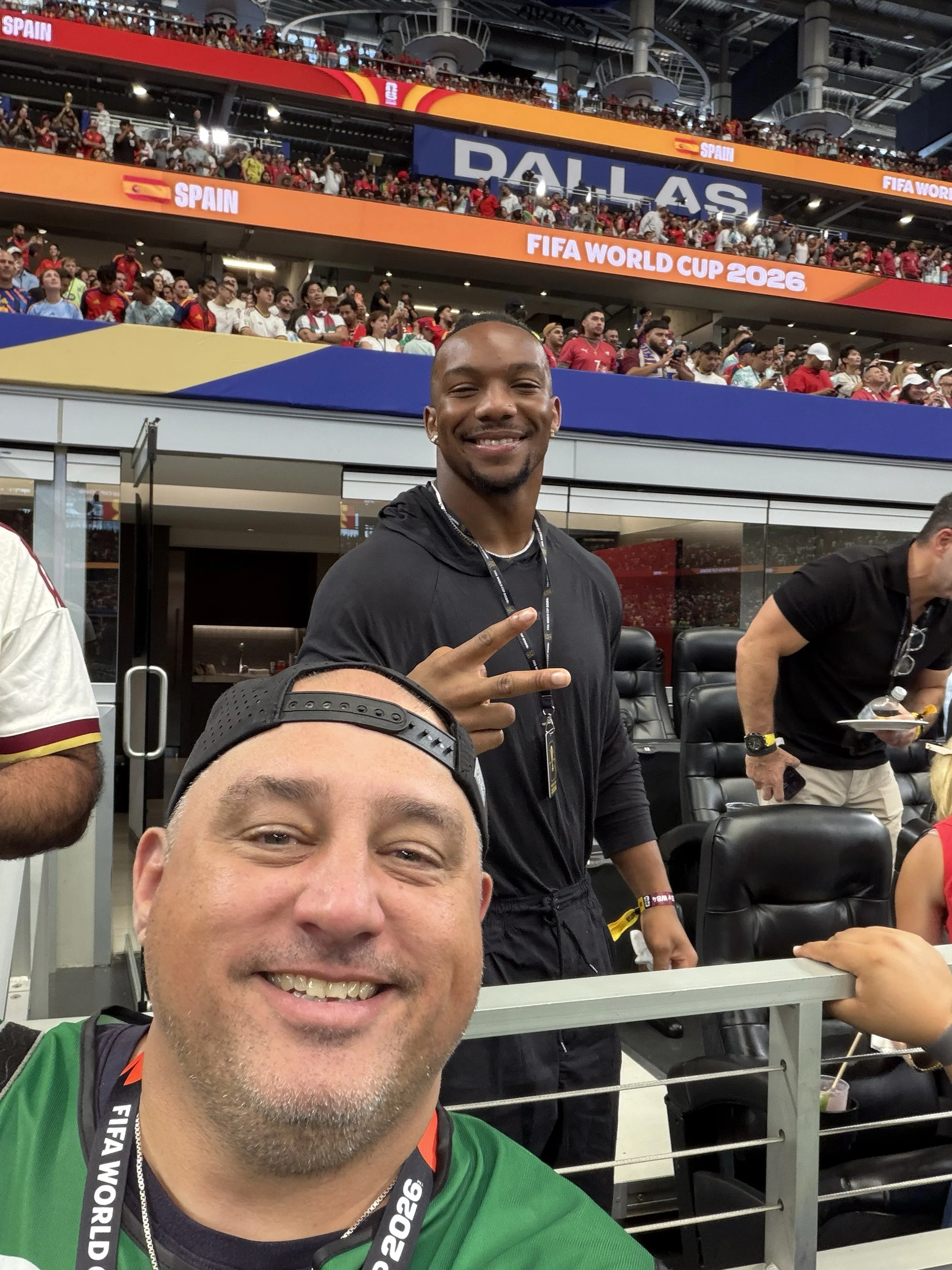
Here are a few moments from behind the scenes — the gear, remote cameras, photo positions, workrooms, long waits and the photographers I was fortunate enough to work alongside.
Final Thoughts
Nine matches later, it’s hard to really put into words what this experience meant to me.
I went into my first match nervous, excited and probably thinking way too much. By the end of the tournament, I felt like I had found my rhythm and was seeing the World Cup differently than I did when I first walked into the stadium.
There are photographs I’m incredibly proud of. There are moments I missed that I still think about. There are things I would absolutely do differently if I had the opportunity again.
But that’s also one of the things I love about photography. There is always another image to make and always something to learn.
What I’ll remember most about this World Cup isn’t just Messi, Haaland, the goals or the matches. It’s the supporters. The volunteers. The photographers I worked alongside. The atmosphere. The long days. The pressure. The mistakes. And those moments when everything came together and I knew I had made something special.
Covering nine World Cup matches for AFP was something I had dreamed about but wasn’t sure I would ever get the opportunity to do.
Now that I’ve done one, I know one thing for certain.
I want to do it again.